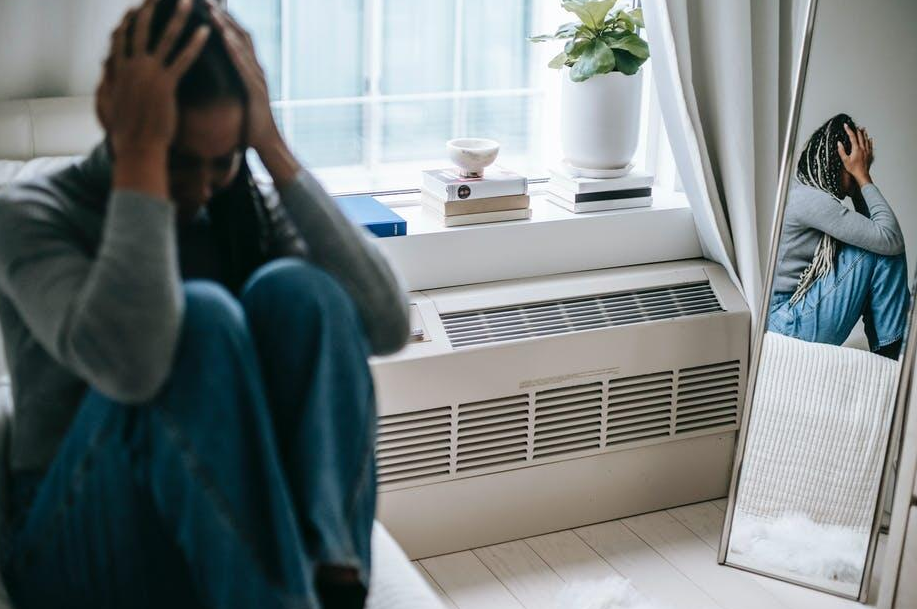
Have certain situations caused fear that feels impossible to control? Phobias can make ordinary places, objects, or activities feel deeply threatening.
These fears may affect work, relationships, travel, and daily choices. They can also cause strong physical reactions, such as sweating, shaking, or a racing heart.
Phobias often develop through past experiences, learned behaviors, or stressful events. Fortunately, fear does not have to control every part of life.
This guide explains common phobias and practical steps that can help build confidence and regain control. Keep on reading!
What Is a Phobia?
A phobia is an intense and irrational fear of something that, in most cases, does not pose any significant risk to the individual. People living with a phobia may go to great lengths to avoid the things that they are afraid of.
This can make day-to-day life more challenging and give one fewer options. Phobias are more than just a fear of something; they can cause anxiety and physical symptoms in addition to the fear itself.
Common Types of Phobias
There is a wide variety of phobias or fears. Fears of flying, spiders, and heights are among the most common types of phobias.
The fear of being in social situations, also known as social phobia, is very common. Fear of needles, dogs, or enclosed spaces is another example of this type of fear.
Why Do Phobias Happen?
Phobias can develop for many reasons; sometimes, a scary childhood experience leads to a lifelong fear. Other times, people learn to fear something after seeing others react with fear.
Genetics and brain chemistry may also play a role. Understanding the cause can help people find the best way to manage their phobia.
Symptoms of Phobias
Both emotional and physical manifestations characterize phobias. People may experience feelings of anxiety, panic, or being overwhelmed.
Sweating, shaking, or a rapid heartbeat are symptoms that can be observed. There are times when the mere act of thinking about the feared thing or circumstance can bring on these symptoms.
Facing Phobias With Support
Overcoming a phobia often starts with talking about it. Friends and family can offer comfort and encouragement.
Support groups allow people to share experiences and coping tips. For those needing extra help, specialized phobia therapy specialists can create a personalized plan to guide them through their fears safely and gently.
Simple Strategies to Overcome Phobias
There are practical steps to manage phobias. Gradual exposure, or facing the fear a little at a time, can help reduce anxiety.
Relaxation techniques like deep breathing also calm the body and mind. Keeping a journal of progress can boost confidence and show how far someone has come. Setting small, realistic goals makes recovery feel possible.
Reclaiming Life From Fear
A person’s life does not have to be controlled by their phobias. It is possible to conquer these intense fears if one is patient and has the appropriate support and guidance.
In the long run, taking baby steps and employing straightforward strategies will yield significant results. Keep in mind that assistance is always available to those in need. Understanding and taking action are the first steps in developing confidence.
Did you like this guide? Great! Please browse our website for more!
Read more: Quick Car Maintenance: Touch-Ups Between Washes
How New Hires Can Learn Indoor Playground Drawings and Equipment Terms
Turnkey Paper Mill Delivery: How to Plan the Handoffs That Decide Readiness