Anyone who’s driven on a Georgia interstate for more than a few months knows the sound: a sharp *tick* against the hood or bumper, followed by that sinking feeling of a fresh chip in otherwise perfect paint. Paint protection film, commonly shortened to PPF, exists specifically to solve this problem, and it’s become one of the most talked-about upgrades in the car care world. But is it actually worth the cost, or is it an over-marketed luxury item? The answer depends on understanding exactly what the product does — and doesn’t — do.
What Paint Protection Film Actually Is
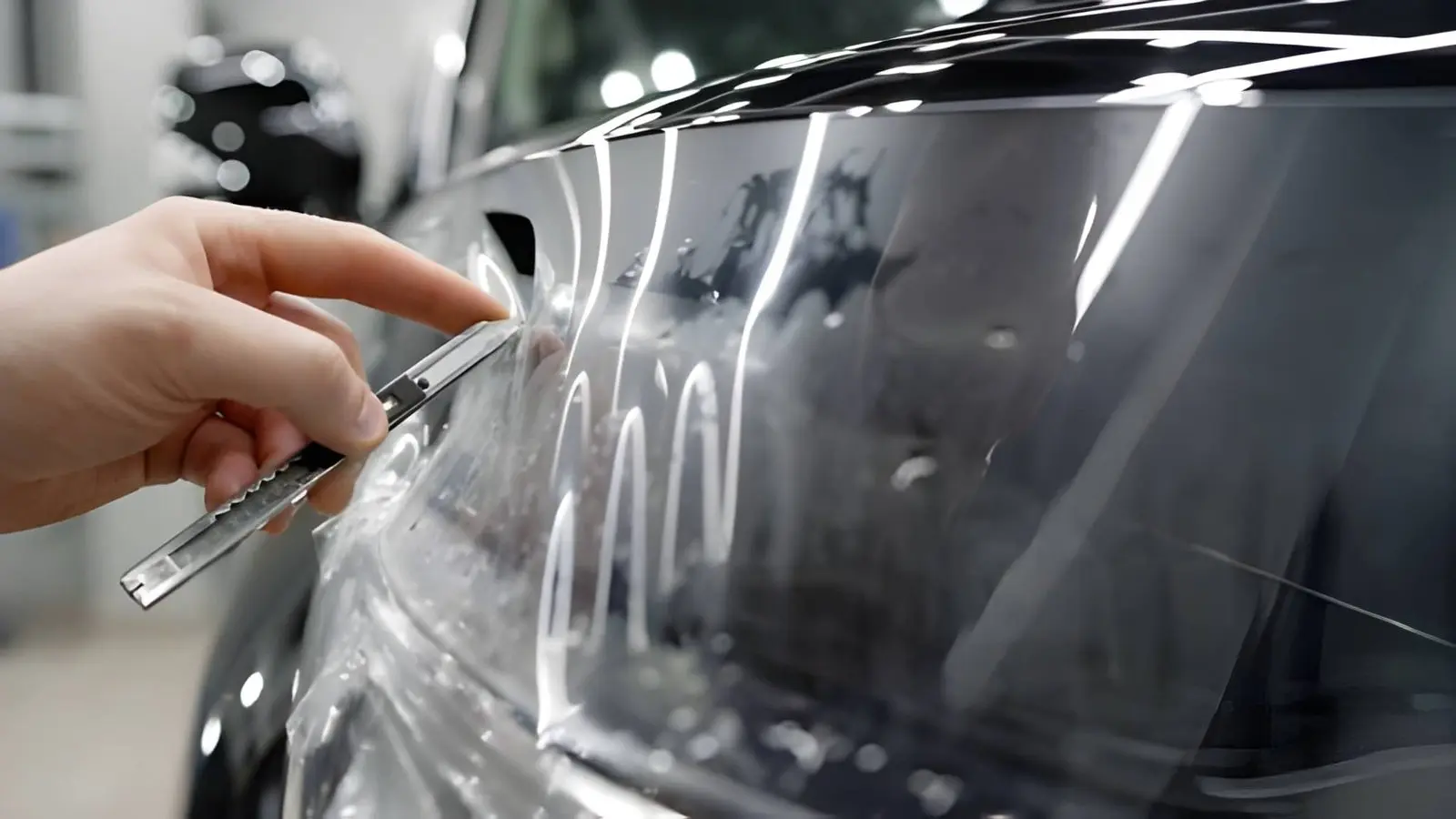
PPF is a thin, transparent thermoplastic urethane film applied directly to a vehicle’s painted surfaces. Unlike ceramic coating, which chemically bonds to the clear coat, PPF is a physical layer — closer in concept to a very advanced, nearly invisible skin that sits on top of the paint. It’s typically applied to high-impact zones: the front bumper, hood, mirrors, and rocker panels, though some owners opt for full-body coverage.
The film itself has come a long way from its early versions, which were prone to yellowing and visible seams. Modern PPF uses multi-layer construction that includes a topcoat, the urethane base layer, and an adhesive layer engineered to bond cleanly to factory paint without damaging it during removal.
The Core Benefit: Impact Protection
This is where PPF earns its reputation. Rock chips, road debris, and minor abrasions are absorbed by the film rather than the paint underneath. Because the material has a degree of flexibility, it can actually absorb the energy of small impacts in a way that hard clear coat simply can’t. Ceramic coating, by contrast, adds hardness but doesn’t add meaningful impact absorption — it protects against chemical and UV damage, not physical strikes.
This distinction matters a lot for Georgia drivers. Interstate corridors around metro Atlanta see heavy truck traffic, ongoing construction, and loose gravel on shoulders and access roads — all of which contribute to a higher-than-average rate of paint chips on daily-driven vehicles. For anyone regularly driving highway miles, this alone can justify the investment.
Self-Healing Properties
One of the more remarkable features of modern PPF is its self-healing capability. Many premium films include a topcoat that responds to heat — either from the sun or warm water — by softening slightly and allowing minor scratches and swirl marks to smooth themselves out. This doesn’t mean the film is indestructible, but it does mean everyday light scuffs and fine scratches that would otherwise mar bare paint often disappear on their own with heat exposure. It’s worth understanding the actual mechanism behind this feature rather than assuming it’s just marketing language.
What PPF Doesn’t Protect Against
It’s important to be realistic about limitations. PPF won’t prevent significant dents from larger impacts, and it won’t stop damage from deep keying or intentional vandalism in most cases, though quality film does reduce the severity of some scratches. It also isn’t a substitute for regular washing and care — dirt and grime still accumulate on the film’s surface and need to be cleaned off regularly, just as they would on bare paint.
PPF also isn’t permanent. Depending on the film quality and how well it’s maintained, most professional installations last somewhere between five and ten years before showing signs of wear like yellowing, lifting edges, or reduced clarity. Cheaper film or improper installation can shorten that lifespan considerably.
PPF vs. Ceramic Coating vs. Both
A common question is whether to choose PPF or ceramic coating. The honest answer is that they solve different problems and work well together. PPF protects against physical impact on high-risk areas; ceramic coating protects against UV degradation and chemical etching across the entire vehicle, including surfaces PPF doesn’t cover. Many owners apply paint protection film in Marietta, GA to the front end and hood, then apply a ceramic coating over the film and the rest of the vehicle for a combined layer of protection — hard, glossy, and impact-resistant everywhere it matters most.
If cost is a factor, partial-front coverage (bumper, hood, mirrors, and partial fenders) offers a middle ground between full-body protection and no protection at all, covering the areas most exposed to road debris at highway speeds without the cost of wrapping the entire vehicle.
Weighing the Cost Against the Alternative
PPF isn’t cheap, and pricing varies significantly based on coverage area, film brand, and vehicle size. But it’s worth comparing that upfront cost against the alternative: paying for paint correction, touch-up work, or diminished resale value from a hood covered in chip marks. For newer vehicles, especially those with premium or hard-to-match paint colors, the cost of PPF often looks reasonable next to the cost of professional paint repair down the line.
It’s also worth understanding exactly what causes the damage PPF is designed to prevent. Rock chips specifically are one of the most common sources of paint damage on Georgia highways, and knowing what PPF actually prevents on the road helps set realistic expectations about which impacts the film will absorb versus which ones might still leave a mark.
Insurance and Resale Considerations
A less-discussed benefit of PPF is how it can affect a vehicle’s condition at resale or trade-in time. A hood and front bumper free of chip marks and scratches present noticeably better than one showing years of accumulated highway wear, and that visual difference can influence both private-sale negotiations and dealer trade-in appraisals. Some owners also find that having documented professional PPF installation adds a point of credibility when listing a vehicle for sale, since it signals a level of care that potential buyers tend to notice.
Making the Decision
Whether PPF is worth it ultimately comes down to how you use your vehicle and how long you plan to keep it. Daily highway commuters, owners of new or premium vehicles, and anyone who plans to keep a car for many years tend to see the clearest return on investment. Occasional drivers on lower-traffic roads may find the cost harder to justify, though even they often appreciate the peace of mind that comes with a physical barrier between their paint and the road.
For most owners weighing the decision, the film pays for itself not in a single dramatic save, but in the slow accumulation of small impacts it absorbs over years of ordinary driving — protection you mostly notice by what doesn’t happen to your paint.
Also Read
- Top 8 Medical Billing Software Platforms for HME Businesses
- Understanding the Dangers of Rollover Car Accidents