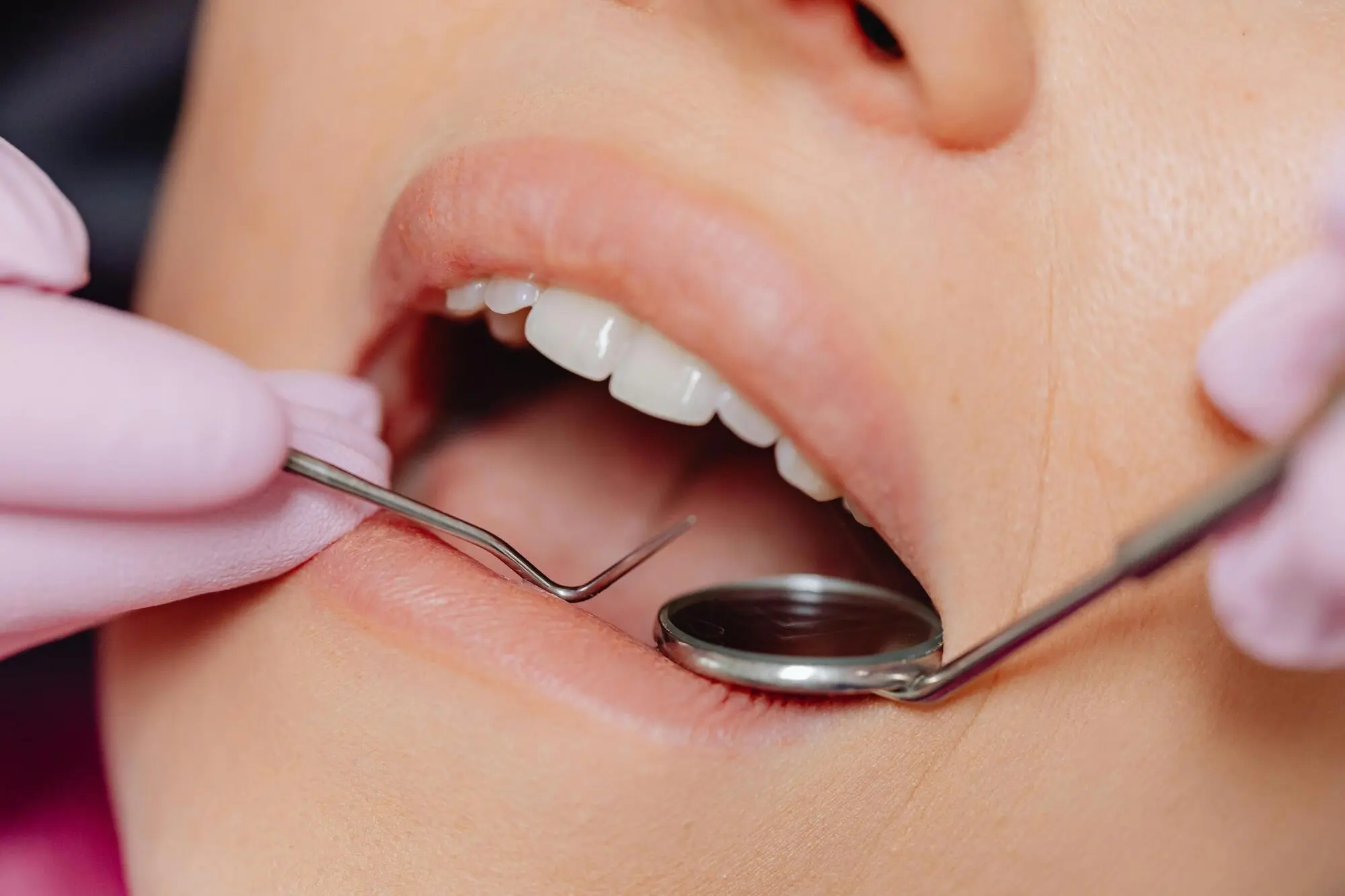
Oral surgery can sound serious, but many dental procedures fall into this category. Some are used to remove damaged teeth, while others help treat jaw problems, infections, or other conditions in the mouth.
A dentist may recommend surgery when simpler treatments are not enough. Understanding the reasons behind the procedure can make the process feel less confusing.
Impacted or Damaged Teeth May Need Removal
One of the most common reasons for oral surgery is tooth removal. Wisdom teeth may become impacted, which means they do not grow into the mouth correctly.
Impacted teeth can cause pain, swelling, or pressure on nearby teeth. In some cases, they may also raise the risk of infection.
A badly damaged or decayed tooth may also need to be removed if it cannot be repaired with a filling, crown, or other treatment.
People reading about how often different procedures are performed may come across reports where oral and maxillofacial surgeons state certain trends in oral surgery and patient care.
Jaw Problems Can Affect Daily Life
The jaw plays an important role in chewing, speaking, and breathing. When the upper and lower jaws do not line up well, these daily tasks may become harder.
Some jaw problems can be managed with braces or other dental treatment. More serious cases may need surgery to improve the way the jaw fits together.
Jaw surgery may also be considered after an injury or when a person has a condition that affects jaw growth.
Before recommending surgery, a specialist will usually study the bite, jaw position, and overall facial structure. Imaging may also be used to plan treatment.
Other Mouth Conditions May Require Surgery
Oral surgery is not only used for teeth and jaw alignment. Some people may need treatment for cysts, unusual tissue growths, or other changes in the mouth.
Severe gum disease can also lead to surgical treatment in certain cases. The goal may be to clean deeper areas around the teeth or help protect remaining bone and gum tissue.
Dental implants can also involve oral surgery. A small post is placed in the jawbone to support a replacement tooth.
The exact treatment depends on the condition. A dentist or oral surgeon should explain why surgery is being considered and what other options may be available.
Recovery Depends on the Procedure
Recovery time can vary from one type of oral surgery to another. Mild swelling, soreness, or bleeding may happen after some procedures.
Follow the aftercare instructions given by your dental team. This may include eating soft foods, using ice packs, and taking medicine as directed.
Avoid smoking and other habits that may slow healing. Your provider may also tell you to avoid hard foods or strenuous physical activity for a short time.
Contact your dental office if you notice heavy bleeding, severe pain, fever, or other unusual symptoms.
Conclusion: Make an Informed Choice About Treatment
Oral surgery may be needed for impacted teeth, jaw problems, serious decay, implants, or other conditions that cannot be treated more simply.
The best first step is a full dental exam. Your dentist can explain the problem and may refer you to a specialist if surgery is needed.
Ask about the procedure’s purpose, possible risks, recovery time, and expected results. Clear information can help you feel more prepared and make a decision that supports your long-term dental health.
Also Read-Financial Terminology: Life Insurance Words Explained