Picking new rain gutters is a big step for any homeowner. Your roof needs a reliable system to move rainwater away from your foundation and siding. You generally have two main choices on the market today.
One option is traditional sectional gutters, and the other is modern seamless gutters. Knowing how each system holds up against the weather will help you make the right call for your house.
Continue reading to discover everything you need to know!
How Sectional Gutters Work
Sectional gutters come in pre-cut pieces that usually measure 10 to 20 feet long. You can buy them at most local hardware stores and put them up yourself. Installers join these separate pieces together using special connectors and sealant.
These joints are the biggest weak spot in the whole setup. Rain, ice, and heat make the metal or vinyl expand and shrink throughout the year. Over time, the sealant dries out and cracks, leading to annoying drips and leaks at the seams.
Why Seamless Gutters Are Different
Seamless gutters are made from one single piece of metal. A contractor brings a special machine to your driveway and shapes the gutter to fit the exact length of your roof. The only joints on this system are at the corners and where the downspouts attach.
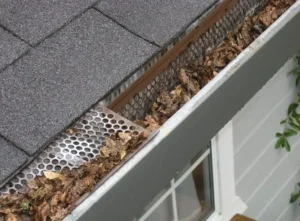
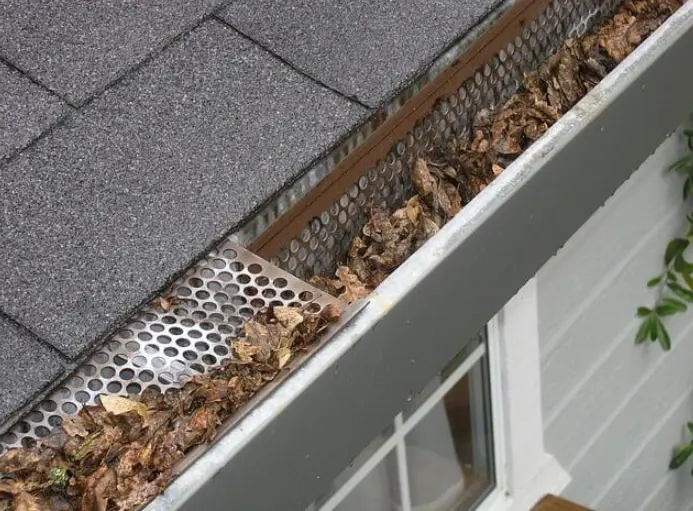
Many homeowners choose professional seamless gutters installation to avoid constant repairs down the road. Fewer seams mean water flows smoothly without getting caught on rough edges or overlapping metal. Leaves and pine needles are much less likely to snag inside the trough, which helps prevent heavy clogs.
Comparing Lifespans and Materials
The material you pick plays a massive role in how long your rain system survives. Sectional gutters are often made from lightweight vinyl or thin aluminum. Vinyl can turn brittle in freezing temperatures and warp under intense summer sun, giving it a much shorter lifespan of around 10 to 15 years.
Seamless systems typically use thicker aluminum, steel, or copper. Heavy-duty aluminum seamless gutters easily last 20 to 30 years with basic care. Copper versions can protect a home for 50 years or more, making them a true lifetime investment for your exterior.
Common Problems Over Time
Every gutter system faces harsh outdoor elements, from heavy storms to falling branches. Knowing what breaks first helps you plan for future maintenance. Here are a few common issues homeowners face with older systems:
- Sagging hangers and loose spikes
- Leaking joints and cracked sealant
- Rust spots and peeling paint
- Overflowing water from trapped debris
- Separated corners during heavy storms
Sectional systems suffer from almost all of these issues much sooner than seamless ones. Once water starts leaking through the seams, it can rot your wooden fascia boards and damage your home’s siding.
Installation and Maintenance Factors
Upfront cost is usually the main reason people still buy sectional pieces. Buying pre-cut lengths at a store costs less at the register, especially if you do the labor yourself. You will likely spend more money later on replacement parts, ladders, and sealants.
Seamless gutters cost more upfront since you need a pro with specialized equipment to form and hang them. You save time and money on yearly upkeep. Cleaning them out is much easier without raised seams catching your scoop or trapping wet leaves.
Which Option Wins for Your Home
Seamless gutters clearly win the battle for longevity and durability. They handle heavy downpours better, resist sagging, and need far less maintenance than pre-cut sections. Spending a bit more at the start protects your roof and foundation for decades.
If you’d like to learn more, check out more articles on our blog.
Also Read
- https://englishsharpmind.com/15-best-real-estate-customer-service-outsourcing-companies-2026/
https://englishsharpmind.com/key-steps-to-take-before-buying-a-new-house/
https://englishsharpmind.com/how-language-precision-mirrors-equipment-maintenance-standards/