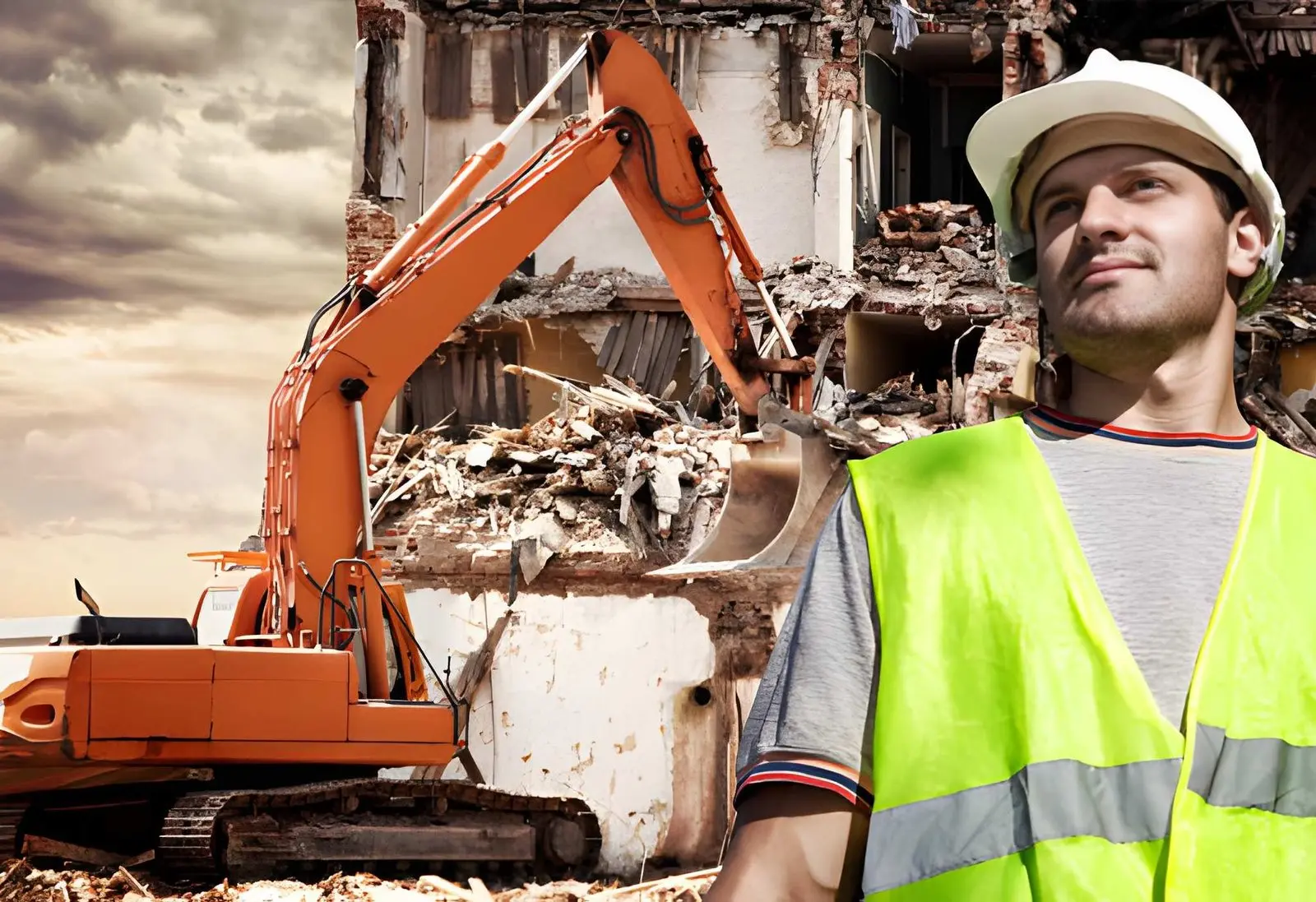
Industrial demolition is rarely as simple as knocking down a building. Every project comes with its own challenges, from strict safety requirements to environmental regulations and careful planning around nearby infrastructure. Whether you’re clearing an aging factory, dismantling a warehouse, or preparing land for redevelopment, choosing the right demolition contractor can make the entire process smoother and safer.
If you’ve never managed a demolition project before, it’s easy to focus only on price. While cost certainly matters, there are several other factors that deserve equal attention before making your decision.
Experience Matters More Than You Think
Industrial buildings are very different from residential or small commercial structures. They often contain heavy steel frameworks, reinforced concrete, large machinery, underground utilities, and hazardous materials that require specialist handling.
An experienced contractor understands how to evaluate these conditions before work begins. They can identify potential risks early, create a safe demolition sequence, and minimize disruptions throughout the project.
Ask about previous industrial projects similar to yours. A contractor who has worked on manufacturing plants, processing facilities, or distribution centers will generally be better prepared for unexpected challenges.
Safety Should Never Be an Afterthought
Industrial demolition sites are high-risk environments. Falling materials, dust, heavy machinery, and structural instability all require careful management.
A professional contractor should have:
- Comprehensive site-specific safety plans
- Licensed and trained demolition crews
- Appropriate insurance coverage
- Modern equipment that is regularly maintained
- Clear emergency procedures
Don’t hesitate to ask about their safety record. A reputable company should be happy to explain how they manage risks on every project.
Planning Saves Time and Money
Many people assume demolition begins when the machinery arrives. In reality, much of the work happens well before that.
Proper planning usually includes:
Site Inspections
A detailed inspection helps identify structural conditions, underground services, hazardous materials, and nearby properties that could be affected.
Demolition Method Selection
Not every building should be demolished the same way. Some structures require mechanical demolition, while others may need partial dismantling or selective demolition to protect surrounding assets.
Environmental Considerations
Dust suppression, noise management, waste handling, and recycling all need to be incorporated into the demolition strategy.
The more detailed the planning phase, the fewer costly surprises you’ll encounter later.
Understand the Permitting Process
Industrial demolition often involves multiple approvals before work can begin.
Depending on the project, permits may cover:
- Demolition approvals
- Traffic management
- Environmental compliance
- Waste disposal
- Utility disconnections
An experienced contractor can usually guide you through these requirements or coordinate with the relevant authorities, helping avoid unnecessary delays.
Equipment Makes a Difference
Modern demolition equipment improves both efficiency and safety.
Look for contractors that invest in machinery suited to industrial environments, including high-reach excavators, hydraulic shears, concrete crushers, and specialized attachments.
The right equipment reduces manual labor, shortens project timelines, and minimizes risks during demolition.
Waste Management Is Part of the Job
Industrial demolition generates enormous amounts of material.
Concrete, steel, timber, bricks, and other construction materials don’t necessarily belong in landfill. Many can be recycled or repurposed, reducing disposal costs and environmental impact.
When researching providers, it’s worth reviewing the services offered by experienced industrial demolition experts in Brisbane to understand how professional waste management and recycling are integrated into modern demolition projects.
A contractor with strong recycling practices often delivers better overall value while supporting more sustainable construction practices.
Communication Keeps Projects on Track
One of the biggest frustrations during construction projects is poor communication.
Good demolition contractors provide regular updates on:
Project Progress
You’ll know what’s been completed, what’s happening next, and whether any schedule adjustments are needed.
Unexpected Findings
Sometimes hidden structures, contaminated materials, or underground obstacles appear once demolition begins. Transparent communication helps everyone respond quickly.
Timeline Changes
Weather, permit delays, or unforeseen site conditions can affect schedules. Keeping clients informed helps prevent confusion and unnecessary stress.
Don’t Choose Based Only on the Lowest Quote
Everyone wants to control project costs, but the cheapest quote isn’t always the best value.
A significantly lower estimate could mean:
- Limited project planning
- Older equipment
- Reduced safety measures
- Hidden costs later
- Lower-quality site cleanup
Instead, compare proposals based on what’s included, the contractor’s experience, project timeline, safety standards, and overall approach.
Paying slightly more for a capable contractor often saves money over the life of the project.
Ask the Right Questions Before Signing
Before committing to any demolition company, consider asking questions like:
- How many industrial demolition projects have you completed?
- How will site safety be managed?
- What permits are required?
- How much material can be recycled?
- Who will supervise the project daily?
- How are unexpected issues handled?
- What is included in the quoted price?
The answers will give you a much clearer picture of how the contractor operates.
Final Thoughts
Industrial demolition is the first major step in many redevelopment and construction projects. Taking the time to choose an experienced contractor helps reduce risks, avoid delays, and keep the project moving efficiently from start to finish.
A well-planned demolition doesn’t simply remove a structure. It prepares the site for whatever comes next while protecting workers, nearby properties, and the surrounding environment.
Also Read
- Common Home Appliance Problems and Appliance Repair Dubai Solutions
- 30 Other Ways to Say “Happy Married Life” (With Examples)
- Why Does an Electrician Matter When Older Homes Need Modern Power for Today’s Devices?