Here’s a scene that plays out in thousands of Australian backyards every summer. You’ve got a lovely patio, maybe a nice outdoor lounge, and for about three weeks of the year it’s paradise. The rest of the time it’s either too hot to sit in, too windy to relax, or the afternoon sun is cooking one half of the space while the other half sits empty. So the furniture stays put and the area basically becomes expensive storage for pot plants.
Outdoor blinds get pitched as the fix. But they’re not cheap, and a fair question deserves a straight answer: are they actually worth the money, or is it just another thing to buy and regret? Let’s work through it properly.
What you’re really paying for
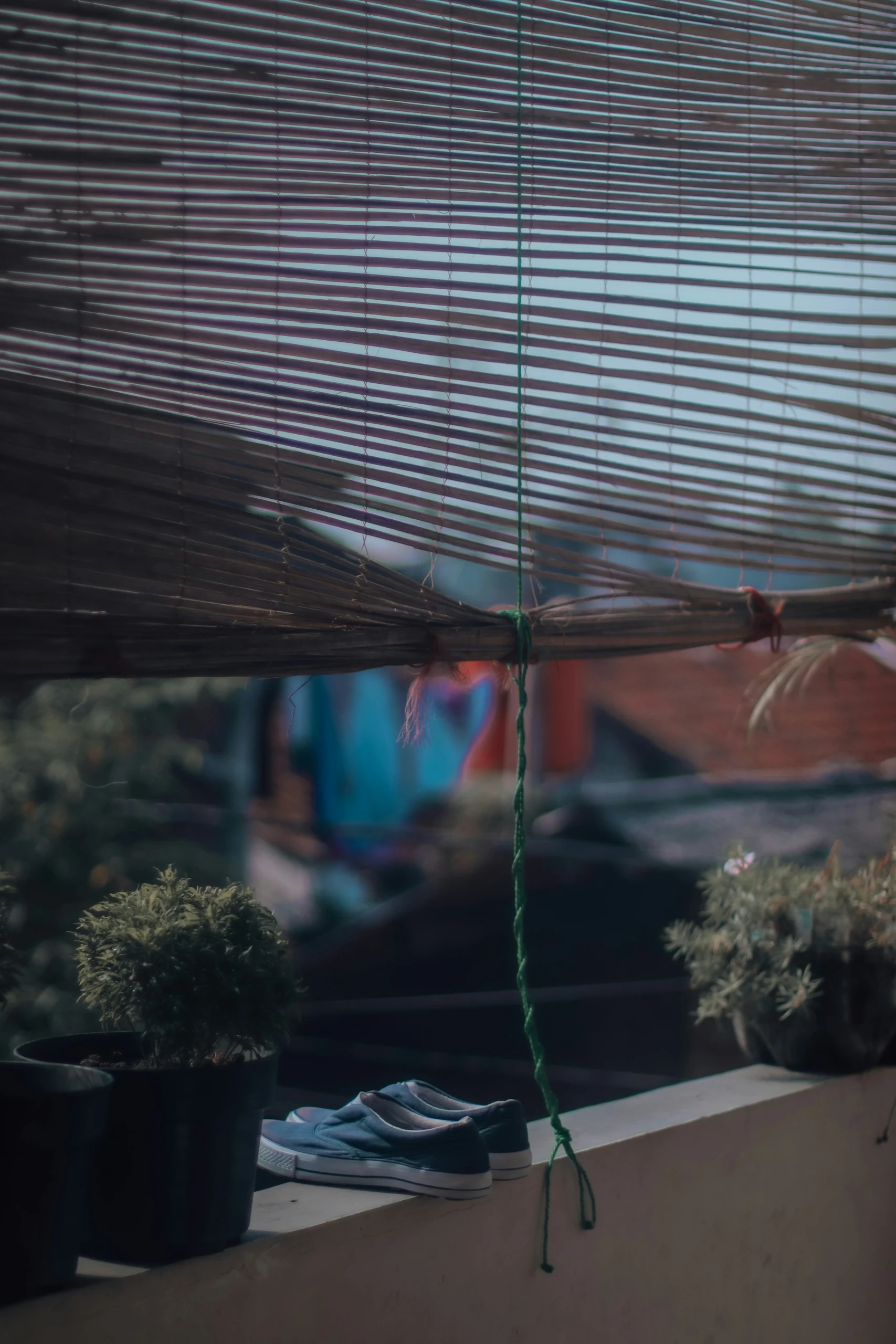
The mistake most people make is thinking of outdoor blinds as shade. Shade is the smallest part of what they do. A tree gives you shade. A big umbrella gives you shade. What blinds give you is control, and that’s a different thing entirely.
On a westerly-facing patio, the sun at 4pm in January is brutal. Roll down a blind and you drop the temperature of that space by several degrees, block the UV that fades your furniture, and suddenly the area is usable at the exact time of day you most want to use it. Same space, a cold snap in July, a bit of wind. Close the blinds and you’ve got a room that holds warmth instead of a wind tunnel. That flexibility, being able to change the space to suit whatever the weather is doing, is the actual product.
So when you weigh up the cost, don’t compare it to a beach umbrella. Compare it to the alternative: an outdoor area you paid to build and then use for a fraction of the year.
The honest case for yes
For most people with a patio, pergola, or alfresco area they wish they used more, blinds pay off. Here’s where the value genuinely shows up.
You get months of extra use
If blinds turn a three-week-a-year space into a nine-month-a-year one, the maths gets easy fast. You’re not adding square metres to your house, but you’re making the square metres you already have actually work. That’s a lot cheaper than an extension and delivers a surprising amount of the same benefit.
Your furniture lasts longer
UV wrecks outdoor furniture. Cushions fade, timber greys and splits, plastic goes brittle. Blinds take the direct hit so your furniture doesn’t, which quietly saves you money you’d otherwise spend replacing things every few seasons.
The energy bill argument is real
This one surprises people. By stopping sun and heat before they reach your windows and walls, outdoor blinds cut how hard your air conditioning has to work in summer. It’s not a magic fix, but over a Melbourne or Sydney summer it adds up, and it’s a benefit you keep getting year after year.
Where it goes wrong
Now the fair part, because blinds aren’t automatically worth it. They’re worth it when they’re chosen well, and there are a few ways people end up disappointed.
The biggest one is buying on price alone. A cheap blind in an exposed, windy spot is a false economy. The fabric might be fine, but the track and tension system is what takes the punishment, and a weak one will rattle, sag, or fail the first time a real gust comes through. If your space catches wind, that’s exactly where your budget should go, and it’s worth talking to someone who can point you toward the best outdoor blinds for your particular conditions rather than guessing.
Fabric choice trips people up too. Mesh is brilliant for airflow and cutting glare, but it won’t keep rain out. Clear PVC seals the space against weather but reduces the breeze. Blockout fabric gives you privacy and full sun protection but, and this catches a lot of people, water-resistant is not the same as waterproof. Pick the fabric for how you actually use the space, not for how it looks in a showroom under perfect lighting.
And then there’s measuring and installation. Outdoor blind systems need proper alignment and correct tensioning to roll smoothly and sit right. Get it wrong and you’re left with creasing, uneven operation, and a shorter lifespan. For anything larger than a single small opening, professional installation usually earns its keep, and it often protects your warranty as well.
When they might not be worth it
To be genuinely balanced: if you rarely use your outdoor area and don’t expect to, no window covering will change that. If your space is already fully shaded by the house or mature trees and wind isn’t an issue, you may not need the extra help. And if you’re planning to move within a year or two, you might not be around long enough to enjoy the return, though it’s worth noting well-made blinds can lift a home’s appeal to buyers.
So, is it worth it?
For most people, yes, provided you buy for your conditions rather than the sticker price. The value isn’t in the shade. It’s in taking an outdoor space you already own and making it work in heat, wind, rain, and cold, instead of just during those few perfect weeks. Match the fabric and the system to how your space actually gets used, get it installed properly, and outdoor blinds tend to be one of those purchases you stop thinking about because they simply do their job, quietly, for years.
Read more: Understanding Crypto Brokers: Key Roles and Revenue Models
Understanding Rental Market Trends for Better Investment Decisions
How Businesses Can Simplify Shipping to Czech Republic