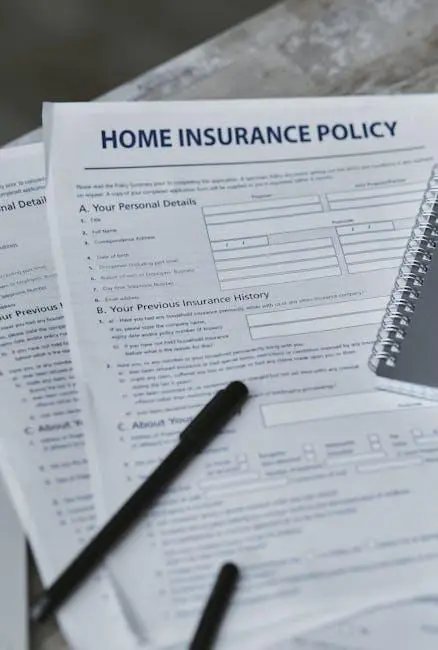
What would happen if a storm damaged your roof or a guest got hurt inside your home? Your house is one of your biggest investments, but one unexpected event can bring costly repairs, lost belongings, or legal bills. Comprehensive home insurance can help protect your property and savings when trouble strikes.
However, not every policy covers every type of damage, so knowing your options is important. The right plan can give you greater peace of mind and help you prepare for risks. By reading this guide, you will learn how to choose coverage that protects your home and budget.
Protection Beyond Basic Home Coverage
A basic policy may cover common risks, such as fire, theft, or damage from certain storms. Broader home insurance can protect the house, personal items, and some costs if you must live elsewhere during repairs. Details vary, so compare policy limits and exclusions before buying and check how claims are handled before signing.
Your location affects the risks you face and the coverage you need. Wind, hail, floods, and earthquakes may be treated differently, and some require separate policies or added protection. Ask which events are covered, what limits apply, and whether your area has special risks.
Why Comprehensive Home Insurance Matters
A strong policy can help repair or rebuild your home after a covered event. It may also replace damaged or stolen furniture, clothing, electronics, and other belongings. Keep photos, receipts, and a home inventory to support a claim and, when possible, make the process easier.
Home insurance can also protect you if you are held responsible for an injury or damage to someone else’s property. Personal liability coverage may help with legal costs or payments after a covered accident. Check the limits and consider extra protection if you have savings or assets to protect today.
Choose Coverage That Fits Your Home
Estimate the cost to rebuild your house, not just its market price or mortgage balance. Include roofing, floors, cabinets, and other materials that may cost more to replace today. Review your limits yearly and after major upgrades, repairs, or changes in local building costs.
Compare more than the monthly price when reviewing policies. Check deductibles, claim rules, exclusions, and whether belongings are paid at replacement cost or reduced value. A low-cost plan may leave you with a large bill after a loss, so weigh price against protection.
In Texas, windstorm risks deserve special attention, especially near the coast. Ask about wind damage, roof limits, deductibles, and whether separate coverage is needed. You can speak with Texas Windstorm Insurance Association agents to learn about options and find guidance suited to your property and local weather risks.
Make Smart Choices Before Disaster Strikes
Review your policy before trouble starts, when you have time to compare options. Keep your insurance papers, agent’s contact details, receipts, and home photos in a safe place. Tell your insurer about major upgrades or costly new items so your coverage can keep pace.
Comprehensive home insurance helps protect your home, savings, and peace of mind after a loss. Read the fine print, ask questions, and choose limits that fit the risks you face. Planning can make recovery less stressful later.
Did this guide help you? Browse the rest of this section for more advice on a variety of topics.
Also Read
- https://englishsharpmind.com/the-ultimate-checklist-for-your-next-apartment-hunt/
- https://englishsharpmind.com/understanding-preclinical-research-a-comprehensive-guide/
https://englishsharpmind.com/how-expatriate-families-navigate-the-british-primary-education-framework-in-thailand/