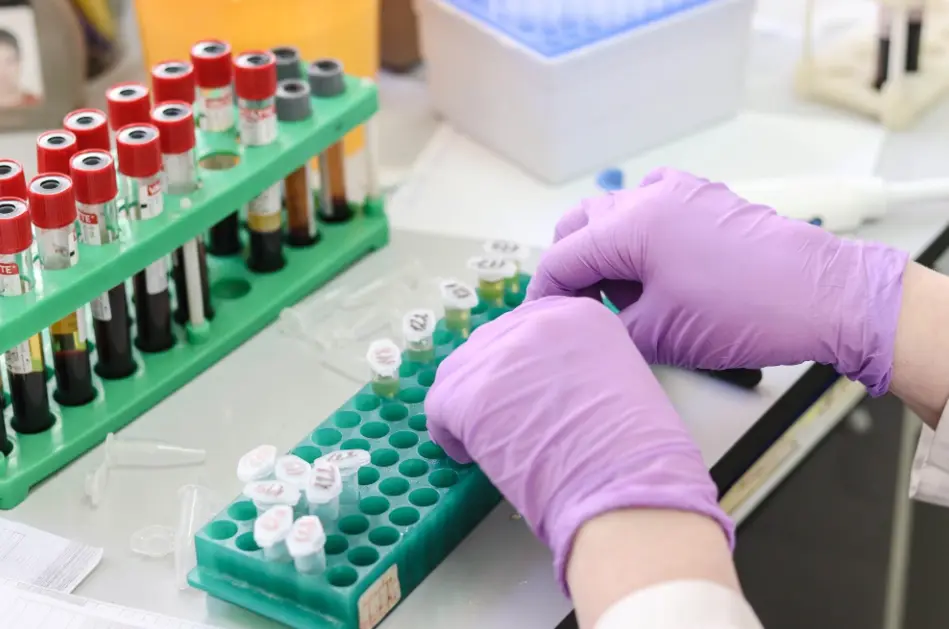
Could a new medicine be tested for safety before it reaches a patient? Preclinical research helps scientists study new drugs, treatments, and tools before human trials begin. It uses lab tests, computer tools, and animal models to learn how a treatment may work, what dose may help, and what risks may occur.
In this guide, you will learn how preclinical studies work, why each stage matters, what methods researchers use, and what challenges they face. You will also learn how these studies help move new treatments toward human testing and why each step is important.
Why Preclinical Research Matters
A new treatment cannot go straight from an idea to human testing. Researchers first need proof that it may work and that its risks can be studied safely. Preclinical research gives teams this early information before clinical trials begin.
These studies show how a drug may act in the body. They can also show signs of harm, weak results, or problems with the planned dose. This information can help researchers improve a treatment or stop a weak project before more time and money are spent.
Early research also helps teams set clear goals. Clear goals make it easier to compare test results and find useful signs. They also help teams avoid moving ahead based on one good result without enough proof.
How Preclinical Studies Begin
Preclinical work often starts with a research question. Scientists may study a disease, a cell process, or a substance that could help treat a condition. They then choose tests that can show if the treatment has a useful effect.
The first tests may use cells, tissues, or computer models. These methods help researchers learn more about a drug before animal testing begins. Early results can then guide the next steps in the study.
Good planning is also important. Researchers set clear goals, controls, and test times before the study starts when possible. This can reduce errors and make the results easier to understand and repeat.
Understanding Preclinical Research Methods
Dose studies are an important part of preclinical research. Too little of a drug may not show if it works, while too much may cause harm. Finding the right range helps researchers plan safer and more useful studies.
Researchers also study pharmacodynamics and pharmacokinetics. Pharmacodynamics looks at what a drug does to the body, while pharmacokinetics looks at what the body does to the drug. These studies can show how a drug is absorbed, used, changed, and removed.
Researchers also study how a drug changes over time. They may check how long it stays in the body and how fast its effects start or stop. This information can help teams plan safer doses for later studies.
Methods Used In Laboratory Research
In vitro studies use cells, tissues, or other samples outside a living body. They can help researchers study drug effects, cell changes, and possible harm. These tests also let scientists control many parts of the study.
In silico methods use computer models to study drugs and their possible effects. Researchers can use these tools to compare drugs and predict how they may act. This can help save time before more complex lab tests begin.
Lab tests are also useful when teams need to compare many possible drugs. Early tests can show which ones need more study. This helps research teams spend more time on treatments that show stronger early results.
Using Animal Models For Safety And Efficacy
Animal models help researchers study a treatment in a living body. These studies can show safety, drug exposure, organ effects, and treatment response. The model used depends on the research question and the disease being studied.
Researchers may use different animals and disease models for different needs. They must also follow rules for animal care and ethical research. Good study design can provide useful data while using as few animals as possible.
Animal results must still be viewed with care. A treatment that works in an animal may not work the same way in people. Researchers must consider these differences when they study and explain the results.
Measuring Safety And Treatment Effects
Safety testing is a key part of preclinical work. Researchers may check organs, blood, body weight, behavior, and other signs of harm. Toxicology tests can also show how much of a drug may cause harmful effects.
Efficacy testing checks if a treatment does what it is meant to do. Researchers may measure tumor growth, infection levels, immune activity, pain, or other signs of disease. Biomarkers can also give clues about how a treatment works.
Safety results are studied along with the dose and length of treatment. A short treatment may cause different risks than a long treatment. These findings help teams know which safety issues need close study during human trials.
Challenges In Preclinical Research
Preclinical studies can be hard because lab results do not always match what happens in people. Animals and humans have important biological differences. Some disease models also cannot fully copy a human disease.
Research teams may also face limits in time, money, samples, and study design. Poor controls or unclear methods can make results hard to trust or repeat. Careful planning and clear records can help reduce these problems.
Some promising results can also be hard to repeat. Different labs, samples, or test methods may produce different results. Clear study rules and repeat tests can help teams check if an important result is reliable.
Moving From Research To Clinical Trials
When preclinical results support a treatment, researchers prepare data for the next stage. This data may cover safety, dose, drug quality, and test methods. Regulatory reviews help decide if the evidence is ready for human studies.
Moving to clinical research does not mean that every risk is known. Instead, preclinical results help researchers understand possible risks before people receive the treatment. This information can help teams design safer first-in-human studies.
Teams must also explain what the preclinical results mean. They connect the findings to the planned human dose and trial design. Clear records help reviewers understand both the possible benefits and the risks that remain.
Finding Better Paths Through Preclinical Research
New tools are changing how scientists study possible treatments. Better cell systems, organ-like models, imaging tools, and computer methods can give more detail about disease and drug response. These tools may help researchers answer questions that older methods could not answer well.
Some studies also use patient samples to create models that better reflect human disease. For teams exploring these methods, patient-derived xenograft (PDX) models can help researchers study patient tumor tissue in a living model. Choosing the right model can help connect lab results with the needs of later drug studies.
New tools can also help researchers see treatment effects more clearly. Better models may show differences between patients or changes that simple tests may miss. These advances can help teams focus their time and resources on useful research.
How Researchers Choose A Study Model
Researchers choose a study model based on the question they need to answer. Some models are useful for testing drug effects, while others help show safety or changes in a disease. The right model can give researchers clearer results and help guide the next stage of research.
The model must also match the treatment being studied. A drug for cancer may need a model that shows how tumors grow and respond to treatment. A drug for infection may need a model that shows how the infection affects the body.
Researchers may compare more than one model during preclinical studies. Using different models can show whether the results stay the same under different test conditions. This can give teams more information before they decide if a treatment is ready for human testing.
How Preclinical Data Are Reviewed
Researchers review preclinical data to see if the results are clear and useful. They look at safety findings, treatment effects, dose levels, and other key results. This review helps show what is known and what still needs more study.
Teams also compare results from different tests and study models. Similar findings can give more support for a treatment, while different results may show that more testing is needed. This careful review helps researchers avoid making decisions from one result alone.
The full data set is then used to guide the next step. Researchers may improve the treatment, run more tests, or prepare for a clinical trial. A careful review helps make sure the move to human testing is based on enough evidence.
Where Preclinical Research Leads
Preclinical research helps turn new ideas into treatments that can be tested in people. Early studies can show risks, guide dose choices, test how treatments work, and help teams choose the next step. They also help researchers find gaps in the evidence before human trials begin.
By understanding preclinical research, readers can better see how new treatments move from early ideas to human studies and why careful testing is needed at each stage.
Did this guide help you? Browse the rest of this section for more advice on a variety of topics.
Also Read
- How Blockchain Technology Works in Simple Terms
- Best Solar Generator Features for Reliable Backup Power
- The Small Touches That Make Life’s Milestones More Beautiful