Relocating to Southeast Asia offers an exciting professional and cultural chapter, but it also presents a unique set of challenges for parents. The highly skilled foreign worker demographic in Thailand surged recently, bringing a fresh wave of families seeking high-quality schooling. Navigating this transition involves much more than just packing boxes and booking flights. For those looking into education options that balance academic rigour with expatriate lifestyle adjustments, understanding the local international school landscape is crucial. Many parents from the United Kingdom, or those desiring a globally recognised qualification, naturally gravitate towards the British educational framework. This provides vital consistency for their children amidst the whirlwind of moving abroad.
The Transition into Formal Primary Education
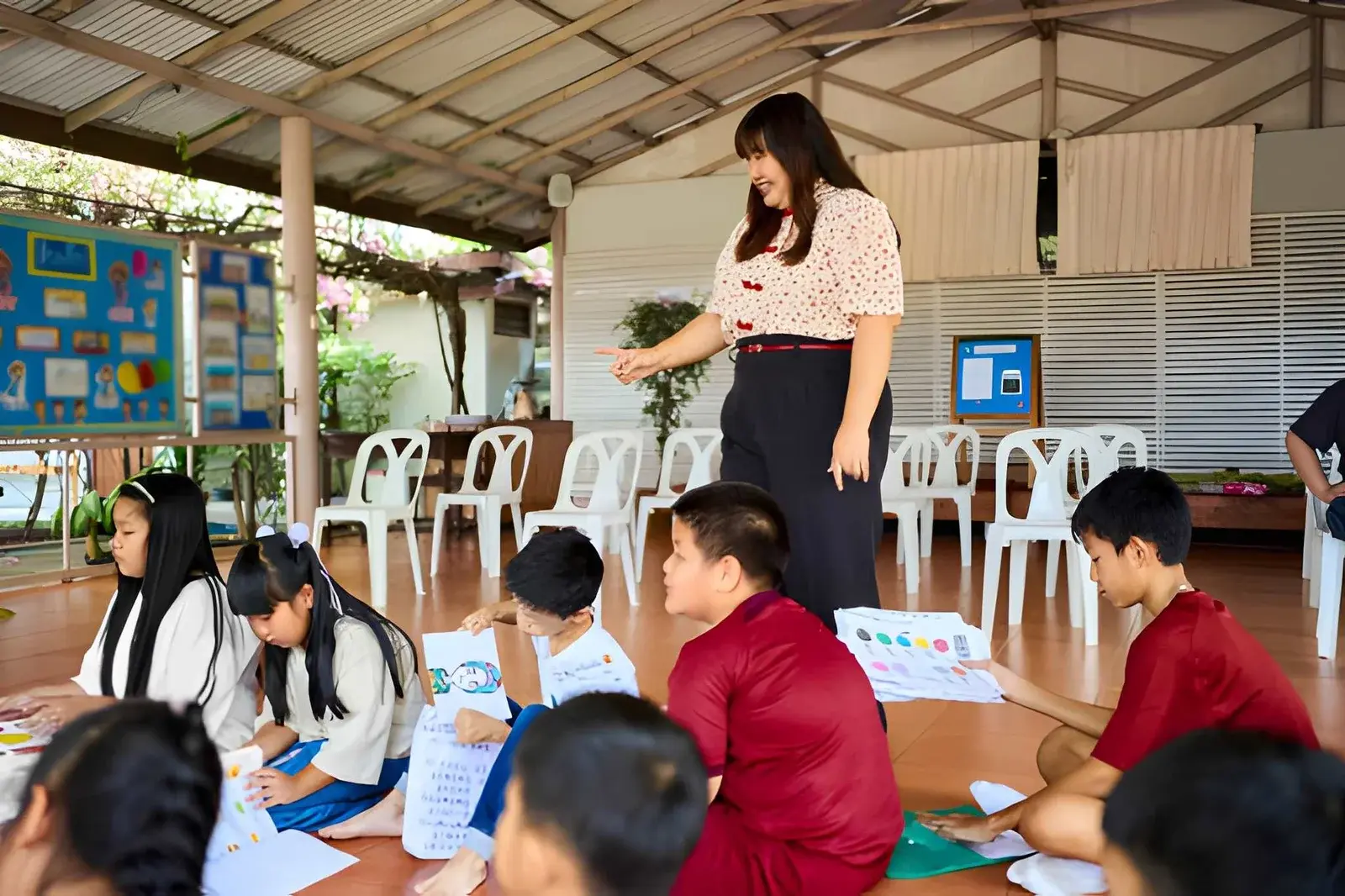
When children reach the age of five, they leave the play-based Early Years Foundation Stage and enter a much more structured classroom environment. This phase is highly critical because it sets the academic baseline for all future learning. Historically established campuses in Thailand place a strong emphasis on this transition period to ensure students adapt well to an English-medium global learning environment. Teachers are specifically trained to handle the emotional and cognitive shifts that occur when young learners move from unstructured play to scheduled lessons.
Parents researching options at reputable institutions, such as Bangkok Patana School, often want to know exactly what to expect when their child begins formal lessons. For many families, exploring the details of a Ks1 curriculum year 1 pathway provides this vital starting point. During this pivotal first year of primary school, teachers focus heavily on building a robust foundation in core subjects like English, mathematics, and science. They ensure that young learners are fully prepared for the more complex expectations ahead. Classrooms are designed to be engaging, blending rigorous instruction with creative exploration.
Standardised Assessments and Core Subjects
One of the main reasons expatriate families prefer the British system is its global standardisation. Whether a student is in London or Bangkok, academic expectations remain consistent across accredited schools. According to official UK government documentation, the statutory framework for the national curriculum at Key Stages 1 and 2 outlines specific compulsory subjects. At Key Stage 1, these include English, maths, science, design and technology, computing, history, geography, art and design, music, and physical education. Furthermore, the official framework mandates a Year 1 phonics screening check to identify early on if a child needs extra help with reading.
This level of standardisation provides great peace of mind for families who may need to relocate again in the future. At the close of Year 2, schools conduct standardised assessments. These benchmarks are highly valued by expatriate parents, as they offer a clear, objective measure of their child’s global competitiveness before entering the upper primary years. This transparency ensures that parents are kept entirely in the loop regarding their child’s developmental progress.
Key Factors for Choosing a School in Thailand
The international school sector in Thailand is experiencing rapid and significant growth. With so many options available, choosing the right campus requires careful consideration of several important factors. When touring potential schools, expatriate parents should evaluate the following features to ensure quality:
- Accreditation and Inspections: Look for British Schools Overseas (BSO) accreditation. This UK government-backed framework assesses overseas schools against the strict standards of independent schools in England, allowing them to recruit newly qualified British teachers.
- Regional Affiliations: Membership in organisations like the Federation of British International Schools in Asia (FOBISIA) indicates that a school adheres to a strict code of conduct and robust child safeguarding protocols.
- Additional Quality Marks: Some top-tier institutions pursue the International Schools Quality Mark (ISQM) to independently verify their academic excellence.
- Demographic Mix: A diverse classroom helps children build global awareness and strong cross-cultural communication skills.
Finding the right educational fit in a new country can often feel overwhelming, but the clear structure of the British primary framework offers a comforting familiarity. By focusing on formal learning milestones, standardised core subjects, and rigorous independent accreditations, expatriate families can confidently navigate the Thai international school market. A well-chosen primary education not only eases the immediate transition of moving abroad but also lays a lasting foundation for a child’s lifelong academic journey.
Also Read
- https://englishsharpmind.com/what-an-ip-resolver-does-in-simple-terms/
- https://englishsharpmind.com/how-modern-window-treatments-enhance-comfort-and-property-value/
- https://englishsharpmind.com/how-long-does-a-snow-squall-usually-last/