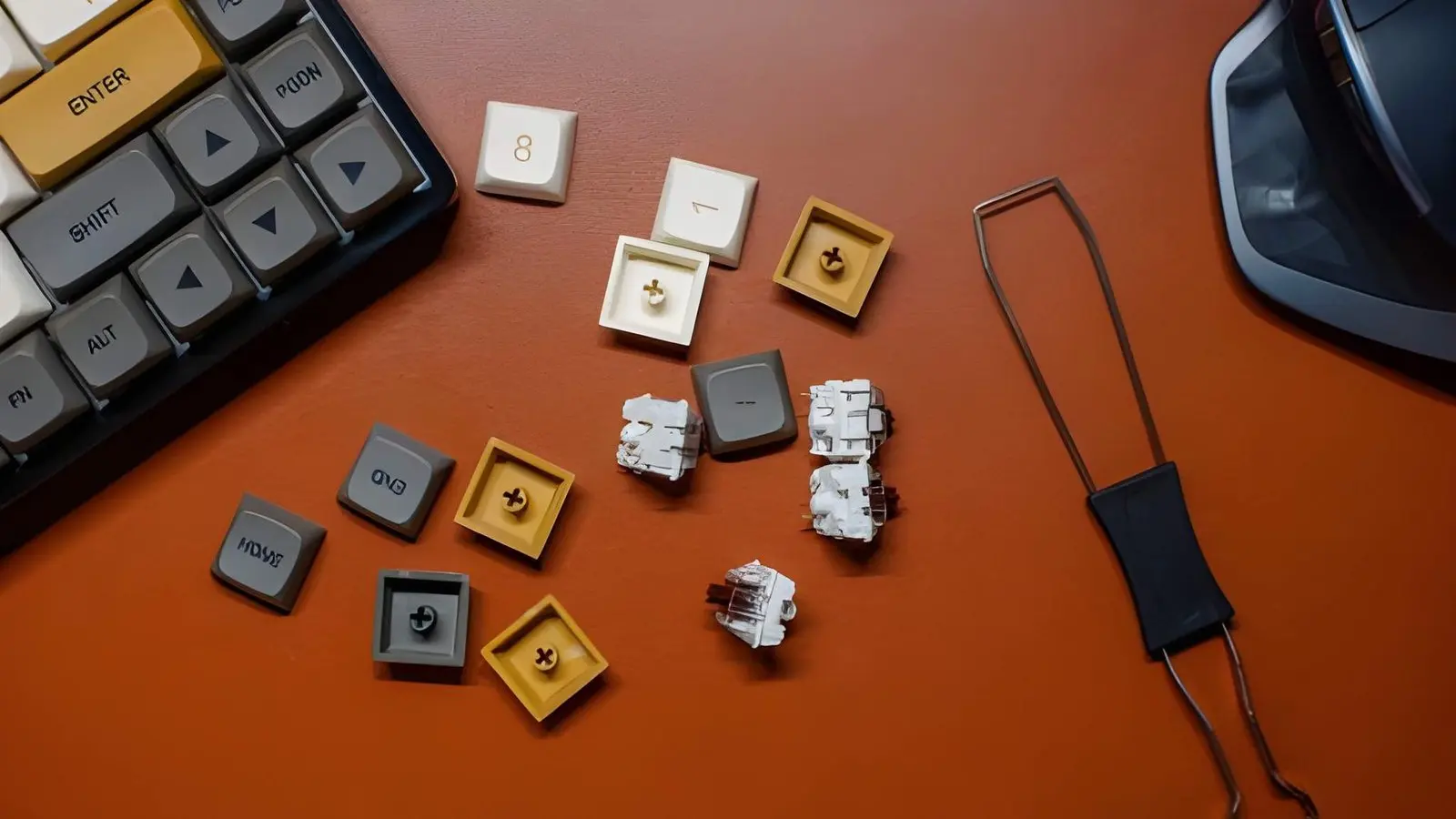
Mechanical keyboards have become the preferred choice for many professionals, gamers, and typing enthusiasts due to their durability, precision, and satisfying tactile feedback. At the heart of any mechanical keyboard is the switch. Selecting the right type of mechanical switch can profoundly impact typing comfort, speed, and accuracy. This article provides a comprehensive guide to choosing the best mechanical switches tailored to individual typing requirements.
Understanding Mechanical Keyboard Switches
Mechanical switches are individual components under each keycap that register key presses. They differ significantly from membrane or rubber dome switches in terms of construction and performance. Mechanical keyboard switches comprise a spring and a stem that moves vertically when pressed, providing tactile feedback and auditory clicks depending on their design.
The unique properties of mechanical switches influence the typing experience, including actuation force, travel distance, and sound profile. Understanding these parameters is essential when selecting switches for specific usage scenarios.
Types of Mechanical Keyboard Switches
Mechanical keyboard switches are generally categorised into three main types: linear, tactile, and clicky switches. Each offers distinct characteristics that suit different typing preferences.
Linear Switches
Linear switches provide a smooth, uninterrupted keystroke without any tactile bump or audible click. The force needed to press the key remains consistent throughout the keypress. These switches are often preferred by gamers who require rapid, repeated key presses without resistance or distraction.
Tactile Switches
Tactile switches feature a noticeable bump partway through the keystroke, giving the user feedback that a key has been actuated without the need to press the key down fully. This feedback is beneficial for typists who rely on feel to reduce errors and improve typing speed.
Clicky Switches
Clicky switches combine the tactile bump with an audible click sound upon actuation. These switches are favoured by users who enjoy audible confirmation of keypresses, enhancing the typing experience. However, they may not be suitable for shared or quiet work environments due to the noise level.
Key Factors to Consider When Choosing Mechanical Keyboard Switches
Selecting the appropriate mechanical keyboard switches depends on several factors including typing style, sound preferences, and ergonomic needs.
Typing Style and Purpose
The intended use of the keyboard plays a significant role in switch selection. Gaming often demands fast, repetitive keystrokes with minimal resistance, making linear switches a popular choice. Conversely, professional typists or writers may prefer tactile or clicky switches to gain feedback and avoid bottoming out keys unnecessarily.
Sound Level
The noise generated by mechanical switches varies considerably. Clicky switches are the loudest due to their audible click mechanism, while linear switches are generally the quietest. If working in shared spaces or offices, quieter switches can maintain a considerate environment without compromising performance.
Actuation Force
Actuation force refers to the amount of pressure required to register a keypress. Switches with lower actuation force can reduce finger fatigue but may increase accidental presses. Higher actuation force switches require deliberate key presses, which can promote accuracy but might cause discomfort over extended use.
Durability
Mechanical switches are highly durable compared to membrane keyboards, often rated for tens of millions of keystrokes. However, some brands and models offer enhanced longevity, which may benefit users who type intensively on a daily basis.
Customisation and Modularity
Many enthusiasts seek switches that are hot-swappable, allowing for easy replacement or customisation without soldering. This flexibility enables users to experiment with different switch types to find their optimal configuration.
Popular Mechanical Switch Brands and Models
Several well-known manufacturers produce a variety of switch types recognised for their quality and performance. Among these, Cherry MX switches are iconic and often serve as a benchmark. Other notable brands include Gateron, Kailh, and novel custom switches tailored for niche needs.
Cherry MX Red switches are linear and require low actuation force, making them preferred for gaming. Cherry MX Brown switches provide a tactile bump with minimal noise, suitable for office tasks. Meanwhile, Cherry MX Blue switches are clicky and tactile, ideal for typists who enjoy audible feedback.
Gateron switches offer similar variants to Cherry MX but are often praised for smoothness and affordability. Kailh switches include innovative options, such as low-profile switches and faster actuation versions. Users interested in custom switches might explore variants designed for enthusiasts, including silent tactile switches or specialised gaming switches.
Testing Switches Before Purchase
Given the variation in typing preferences, testing different mechanical keyboard switches is highly advisable. Many vendors provide switch testers that include multiple switch types to allow users to feel the differences firsthand. This practice helps avoid buyer’s remorse and ensures the selected switches suit personal needs.
Additionally, many companies provide detailed specifications and sound samples online. These resources can serve as a useful starting point before procuring physical testers.
Where to Buy Mechanical Keyboard Switches
Mechanical keyboard switches can be purchased from specialist retailers and online stores. When selecting a supplier, it is important to consider authenticity, availability of a wide range of switches, and customer service.
For convenience and reliability, browsing collections such as those at mechanical keyboard switches can provide access to an extensive variety of switch types. Such platforms often offer detailed product descriptions, user reviews, and purchasing support that assist buyers in making informed decisions.
Conclusion
Choosing the best mechanical keyboard switches requires understanding the differences in switch types, actuation characteristics, sound levels, and user preferences. Whether the goal is gaming performance, comfortable typing, or quiet operation, there exists a switch suited to each requirement.
Exploring available options, testing switches firsthand, and purchasing from reputable suppliers are key steps towards enhancing the typing experience. Mechanical keyboard switches play a vital role in keyboard functionality and user satisfaction, making their selection an essential consideration for anyone investing in a high-quality mechanical keyboard.
Also Read-How Blockchain Technology Works in Simple Terms