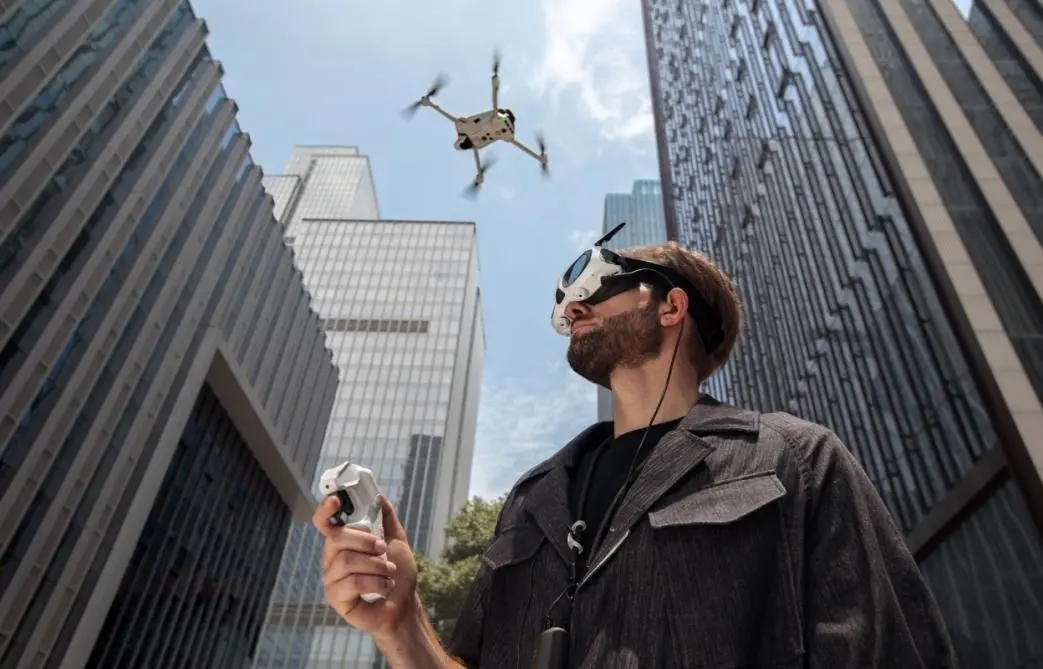
A mini drone with camera feels easy to control when its design reduces the number of decisions a pilot must make in the air. Clear inputs, stable flight behavior, and built-in guidance all help users focus on movement instead of correcting mistakes. For beginners, that means less confusion during takeoff, turning, and landing. For creators, it means smoother footage and fewer interrupted shots. The best models combine user-friendly hardware with software features that support safe, predictable flying, making aerial photography and video more approachable from the first session onward for most new users.
Control Design Features That Improve the Flying Experience
Intuitive Controllers Reduce the Learning Curve
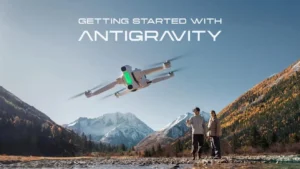
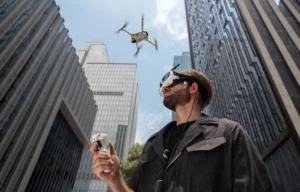
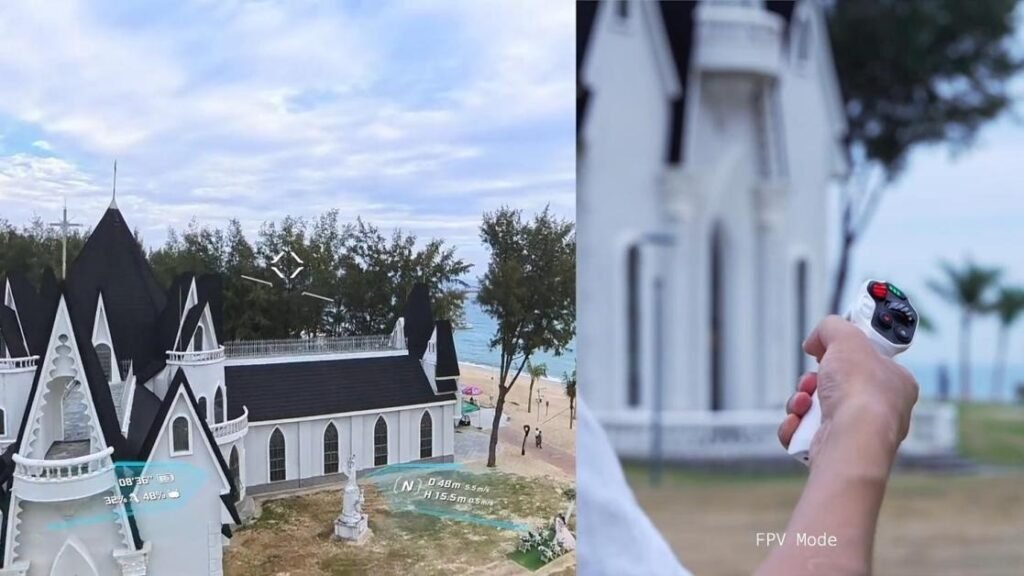
Controller design has a major effect on how quickly someone feels comfortable flying. Simple layouts, clearly placed buttons, and natural hand movements reduce mental load and make commands easier to remember. Antigravity A1 is a good example. Its FreeMotion control mode lets users point the Grip controller in a direction and pull the trigger to guide the drone, which makes steering feel more immediate and understandable. It also supports FPV mode for pilots who want more direct wrist-based control. That combination helps beginners start simply while still giving them room to improve.
Responsive Controls Help Pilots Adjust Flight Direction
Easy control also depends on how quickly a mini drone with camera responds after a pilot gives an input. Smooth, predictable reactions help users correct their path before small mistakes turn into larger drifting or shaky footage. When turning, climbing, or slowing down feels consistent, pilots gain trust in the aircraft and make better decisions under pressure. Responsive handling is especially useful in tighter spaces or when framing a moving subject. Instead of fighting delayed movement, users can make small adjustments with confidence, which improves both flight safety and the overall quality of captured video.
Smart Technologies That Make Mini Drones Easier to Operate
Automated Flight Modes Support Creative Shooting
Automated flight modes make mini drones easier to operate because they handle complex movement patterns without requiring constant manual correction. A pilot can focus on the subject while the drone maintains a planned motion such as tracking, circling, or pulling away for a reveal shot. These features lower the skill barrier for capturing polished aerial content, especially for solo creators who must manage both framing and timing. Instead of practicing every maneuver repeatedly, users can rely on preset behaviors to produce cleaner, more repeatable footage while still keeping enough control to refine the final result.
Sensing Systems Help Improve Flight Awareness
Awareness features make a big difference because many control problems start with limited visibility rather than poor pilot skill. Mini drones become easier to manage when onboard sensors help detect surroundings and maintain stable positioning. Antigravity A1 includes forward and downward vision sensors as well as infrared sensing, giving the system more environmental information during flight. That support can help the drone better understand obstacles, altitude, and ground reference points. For the user, this translates into steadier movement, fewer surprise corrections, and more confidence when flying in spaces that demand careful control.
Training Tools Help New Pilots Build Confidence
Training tools shorten the path from first flight to comfortable control. Beginner-friendly tutorials, guided setup steps, and low-pressure practice modes help users understand core actions before they try more advanced maneuvers. Some systems also limit speed or simplify responsiveness during early sessions, which allows pilots to build muscle memory gradually. That structure matters because confidence comes from repeated success, not from guessing through controls in real time. When a mini drone teaches users how to launch, hover, turn, and land in a controlled way, it reduces frustration and encourages steady improvement over multiple flights.
How Easy Controls Help Create Better Aerial Content
Simple Operation Lets Creators Focus on Composition
When controls feel simple, creators can spend more attention on framing, subject placement, and camera movement. That shift is important because strong aerial content depends on composition as much as flight skill. A pilot who does not need to constantly think about basic steering can track lines in a landscape, keep a subject centered, or time a reveal more effectively. Easy operation also reduces rushed corrections that often introduce shaky footage. In practical terms, smoother control gives creators more freedom to think like visual storytellers, not just operators trying to keep a drone stable.
Flexible Flight Options Support Different Shooting Styles
Different creators prefer different ways of flying, so flexible control options make a mini drone more useful in real shooting situations. Some users want highly guided movement for smooth scenic clips, while others prefer a more direct style for dynamic tracking and immersive camera motion. A drone that supports both simplified and more hands-on control can adapt to those goals without forcing one workflow. That flexibility helps users match flight behavior to the scene, whether they are filming travel views, action moments, or casual social content, and it makes the drone easier to keep using over time.
Conclusion
A mini drone with camera is easy to control when its hardware and software work together to reduce effort, improve awareness, and support smooth decision-making in flight. Intuitive controllers help pilots learn faster, responsive handling makes adjustments more precise, and smart features reduce the pressure of constant manual input. Sensing systems and training tools add another layer of support, especially for beginners. Most importantly, easier control leads to better footage because creators can focus on composition and movement. That is what turns a compact drone into a practical creative tool.
Also Read
- https://englishsharpmind.com/what-an-ip-resolver-does-in-simple-terms/
- https://englishsharpmind.com/how-modern-window-treatments-enhance-comfort-and-property-value/
- https://englishsharpmind.com/how-long-does-a-snow-squall-usually-last/