Foldable drone tips can make the difference between jerky footage and smooth, confident flying. Compact drones are easy to carry, but their lightweight designs also make them more sensitive to wind, rushed takeoffs, and poor setup habits. A few simple checks before launch and a few deliberate control habits in the air can improve stability, protect your equipment, and help you capture cleaner aerial shots. Whether you fly for travel clips, real estate, or creative panoramic video, the goal is the same: safer flights and better results with less correction later. This guide covers practical ways to prepare your foldable drone, refine your flight technique, and use smart camera features to get steadier footage without making every flight feel complicated or overly technical.
Prepare Your Foldable Drone Before Every Flight
Inspect Propellers, Batteries, and Folding Arms
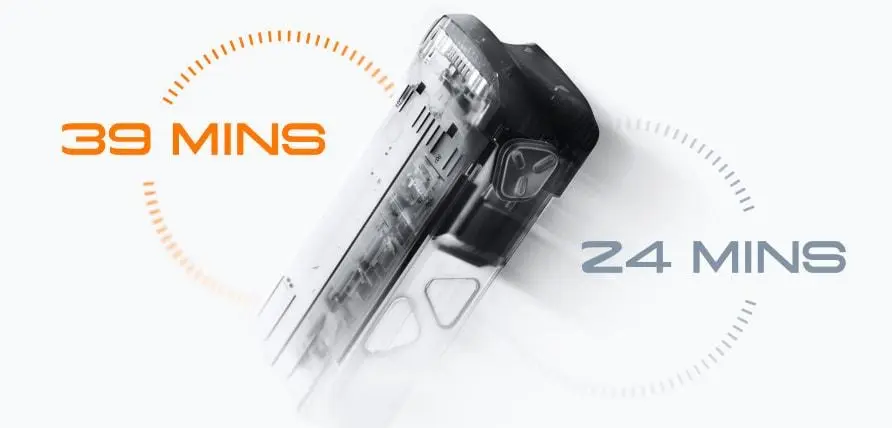
Start every flight with a quick physical inspection. Check each propeller for chips, bends, looseness, or hairline cracks, because even minor damage can cause vibration and unstable footage. Confirm the battery is fully seated, properly charged, and free from swelling or connector debris. On a foldable drone, pay special attention to the folding arms. Open them completely, make sure they lock into position, and verify nothing feels loose or misaligned. Wipe the camera lens and vision sensors if dust or fingerprints are visible. Also confirm the gimbal or camera housing moves freely and that firmware prompts are cleared before takeoff. These habits reduce preventable failures and give you a more stable platform in the air.
Check Weather, Airspace, and Takeoff Conditions
Lightweight foldable drones perform best when conditions are predictable. Check wind speed before launch, especially if you plan to fly near water, cliffs, rooftops, or open fields where gusts can intensify. Review local airspace rules, temporary restrictions, and site-specific limitations so you do not rush decisions after powering on. Choose a flat, clean takeoff area away from sand, loose gravel, tall grass, or metal structures that may interfere with sensors and compass calibration. Make sure GNSS lock is strong before lifting off and confirm your home point has updated correctly. Good preparation also means matching your drone to the environment instead of forcing the flight. Safe conditions almost always lead to smoother control and better footage.
Master Smooth Foldable Drone Flight Techniques
Practice Gentle Takeoffs, Hovering, and Turns
Smooth flight starts with calm inputs. Lift off slowly, climb to a safe height, and pause in a hover for a few seconds to confirm the drone is holding position correctly. This simple moment helps you detect drift, vibration, or sensor issues before moving farther away. Practice keeping the drone still, then make small yaw turns instead of abrupt spins. When changing direction, use gradual stick pressure and let the aircraft settle between movements. Wide, controlled arcs usually look better on video than sharp corrections. Repeating basic drills like hover holds, box patterns, and slow circles will build precision quickly. Better muscle memory reduces overcorrection, and less overcorrection means safer flights and noticeably smoother footage.
Adjust Flight Speed and Controls for Stable Footage
If your footage looks shaky, your control settings may be too aggressive. Lowering sensitivity, reducing yaw speed, and softening braking can make a foldable drone feel smoother and easier to manage. Slower flight is usually better for cinematic shots because quick acceleration and sudden stops create visible jolts in video. Match your speed to the scene: use gentle movement for landscapes, reveals, and tracking shots, then save faster modes for open areas and non-cinematic passes. Keep your fingers relaxed and avoid constant micro-corrections unless the drone is drifting. It also helps to plan the path before recording so you are not improvising every move. Deliberate control inputs produce steadier framing and fewer ruined clips overall.
Capture Better Aerial Footage With Less Effort
Use 8K 360° Recording to Reframe Shots After Flying
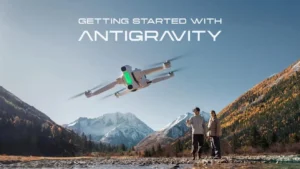
One of the easiest ways to reduce pressure in the air is to capture more than you need, then compose later. With 8K 360° recording, you can fly a simple, stable path and reframe the final angle in editing instead of trying to nail every camera move live. The Antigravity A1 supports 8K at 30/25/24fps, 5.2K at 60fps, 4K at 100fps, and 55MP photos, giving you room to crop, pan, and create multiple outputs from one flight. Its F2.2 lens, 170 Mbps max bitrate, and formats including H.264, H.265, DNG, INSV, and INSP support flexible post-production. This approach rewards smoother flying and often delivers cleaner, more usable footage with less effort.
Try Antigravity A1’s FreeMotion and Smart Flight Modes
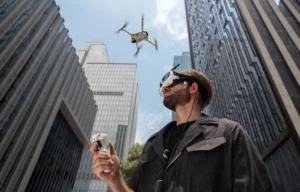
Smart assistance can help you fly more smoothly without making the footage look mechanical. Antigravity A1’s FreeMotion mode is useful when you want fluid camera movement while maintaining simpler flight control, especially during scenic reveals or travel shots. Intelligent flight modes can also reduce workload by helping with path consistency, subject framing, and repeatable movement. That means fewer rushed stick inputs and fewer uneven corrections during recording. The A1’s lightweight design, OmniLink 360 transmission, GNSS support with GPS, BeiDou, and Galileo, plus omnidirectional visual obstacle avoidance support safer operation while you focus on composition. Used correctly, these tools do not replace skill; they support it, making steady aerial footage easier to achieve on a regular basis.
Conclusion
Smoother, safer foldable drone flights come from good habits more than luck. Inspect your drone, choose better conditions, fly with gentle control, and use tools that simplify capture. Before takeoff, check the propellers, battery level, GPS signal, and surrounding obstacles. Avoid strong winds, heavy rain, and crowded areas that could make flying difficult. Practice basic movements in open spaces before attempting complex shots. Keep your drone within visual line of sight and maintain a safe distance from people and buildings. Use stable flight modes and smooth camera movements to capture clearer footage. When preparation and technique work together, you get steadier footage, fewer mistakes, and more confidence every time you launch. Regular practice also helps you develop better control, improve aerial photography skills, and enjoy a safer flying experience.
Also Read
- https://englishsharpmind.com/15-best-real-estate-customer-service-outsourcing-companies-2026/
https://englishsharpmind.com/key-steps-to-take-before-buying-a-new-house/
https://englishsharpmind.com/how-language-precision-mirrors-equipment-maintenance-standards/