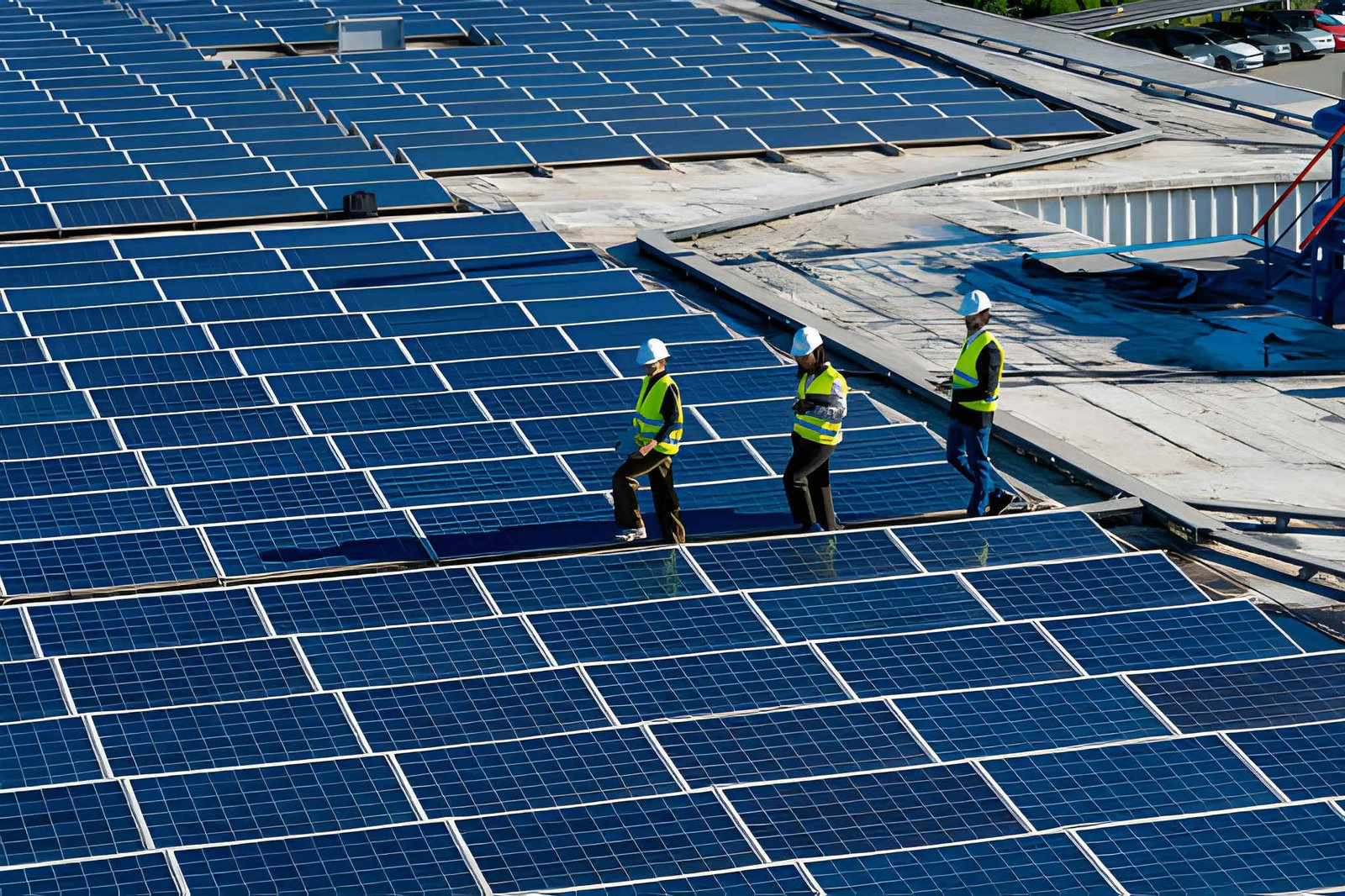
For a business, installing solar isn’t quite the same decision as putting panels on a family home. The roof may be bigger and the potential savings higher, but there are also more moving parts to consider.
A warehouse might run machinery all day. An office could have its biggest electricity demand from air conditioning. A retail site may use relatively little power in the morning before consumption climbs later in the day. Those differences matter because a commercial solar system should be designed around how the property actually uses electricity.
Before requesting quotes, it helps to understand what separates a well-planned commercial installation from one that’s simply covered with as many panels as possible.
Start With the Business’s Electricity Usage
One of the first things a solar installer should want to see is your electricity consumption.
Not just the total annual bill, either.
For commercial properties, the timing of electricity use can be just as important as the amount consumed. Solar panels generate electricity during daylight hours, so businesses with substantial daytime demand often have an obvious opportunity to consume that generation directly.
Think about a typical working day.
A manufacturing facility may start equipment at 7 am and operate until late afternoon. A supermarket has refrigeration running continuously. An office’s demand might rise sharply once employees arrive and the air conditioning starts working.
These patterns help determine an appropriate system size.
Installing a huge system simply because there’s enough roof space isn’t automatically the smartest choice. If the business can’t make good use of the electricity being generated, the financial case may look very different from the original estimate.
Check Whether the Property Is Actually Solar Ready
Large commercial roofs can look perfect for panels from the ground. Once they’re properly inspected, things can get more complicated.
Roof condition should be checked before installation. If major repairs or replacement are likely within the next few years, completing that work first can save the headache of removing and reinstalling panels later.
Structural capacity matters too.
Commercial arrays can involve hundreds of panels plus mounting equipment. The building needs to safely accommodate the proposed installation while accounting for factors such as wind loads and the mounting method.
Other roof features also affect the design, including:
- Skylights
- Ventilation equipment
- Air-conditioning units
- Roof access points
- Drainage
- Fire access requirements
- Shaded areas
The aim isn’t necessarily to fill every available square metre. It’s to create a practical layout that generates useful electricity without making roof maintenance unnecessarily difficult.
Look Beyond the Number of Panels
It’s easy to compare commercial solar quotes by counting panels and looking at the final price.
That’s rarely enough.
System design includes panels, inverters, mounting hardware, cabling, electrical protection and monitoring equipment. How those components work together matters more than simply choosing equipment based on a specification sheet.
This is where experienced business solar installers should be assessing the site’s consumption profile, available installation area and electrical infrastructure before recommending a system size.
Ask how the proposed capacity was calculated.
A good proposal should be explainable in normal language. If someone recommends a particular system size, they should be able to tell you why that size makes sense for your property rather than relying on a generic package.
Understand Where the Savings Come From
Commercial solar savings are generally easiest to understand when you separate generated electricity into two categories.
Electricity Used on Site
When the panels are producing power and the business is consuming electricity at the same time, solar generation can supply some of that demand.
That means less electricity needs to be purchased from the grid.
Businesses with strong daytime consumption may therefore be particularly well suited to rooftop solar.
Electricity Not Used Immediately
Generation and consumption won’t always match perfectly.
Perhaps the facility closes early on weekends while the panels continue producing electricity. Maybe production slows during certain months. There could also be periods when generation exceeds what the building needs.
What happens to excess generation depends on the system design, connection arrangements and applicable electricity rules.
Don’t base the financial case entirely on optimistic assumptions about unused electricity. Ask how much of the projected generation is expected to be consumed directly by the business.
That figure can tell you a lot.
Ask for Realistic Generation Estimates
Solar proposals normally include estimates of how much electricity the system could generate.
Treat them as estimates, not promises.
Actual production can be influenced by panel orientation, shading, weather, equipment performance, dirt and other site-specific conditions.
More useful proposals explain the assumptions behind the numbers.
For example, ask:
- What annual generation is expected?
- How was shading accounted for?
- What portion of generation could the business consume?
- What assumptions were used for electricity prices?
- Are equipment losses included?
- How might production change over time?
You don’t need to become a solar engineer. You just want enough information to understand how the projected savings were calculated.
Don’t Ignore the Existing Electrical Infrastructure
The roof gets most of the attention because that’s where everyone can see the panels.
Some of the most important work happens elsewhere.
Commercial installations have to integrate with the property’s existing electrical system. Depending on the size and condition of the site, this may require reviewing switchboards, supply capacity, cable routes, metering and connection requirements.
Older buildings deserve particular attention.
A solar project can uncover electrical infrastructure that wasn’t designed with modern generation equipment in mind. Discovering required upgrades before installation is much better than discovering them halfway through the job.
Ask what electrical work is included in the quote and whether any potential upgrades have been identified.
Consider Future Electricity Demand
Businesses change.
Today’s electricity profile might look completely different five years from now.
You might add machinery, extend operating hours, expand into another part of the building or introduce electric vehicles. A warehouse could become partially automated. An office might install more cooling equipment.
Battery storage could also become part of the plan later.
That doesn’t mean you should oversize the current installation just in case. It does mean future plans are worth discussing during the design stage.
Sometimes relatively simple decisions, such as equipment placement or cable routing, can make future expansion easier.
Monitoring Matters After Installation
Once commercial solar is operating, someone should be able to see what it’s doing.
Monitoring systems can provide information about generation and system performance. For a business, that information is useful for more than satisfying curiosity about how sunny it was yesterday.
Over time, monitoring helps establish what normal production looks like.
If output suddenly drops or one part of the system isn’t behaving normally, having performance data can make the issue easier to identify.
Ask who has access to monitoring, what information it provides and what happens if the system reports a fault.
Compare Support, Not Just Installation Prices
A commercial solar system is expected to operate for years, so the relationship with the installer shouldn’t necessarily end when the installation crew leaves.
Before choosing a provider, find out who handles warranty claims, system faults and technical questions.
Also read the warranty documentation rather than relying only on the headline number of years advertised.
Panel, inverter and workmanship warranties can cover different things. Understanding those differences now is much easier than figuring them out when something stops working.
Treat Solar as a Business Investment
Commercial solar makes the most sense when it’s approached like any other capital investment.
Start with the numbers. Understand the property’s electricity consumption, inspect the building, compare realistic generation estimates and ask questions about the assumptions behind projected savings.
Price matters, but design quality and ongoing support matter as well.
The best commercial system isn’t necessarily the biggest array a roof can hold. It’s the one designed around how the business operates today while leaving sensible room for what the property may need tomorrow.
Read more: What Separates a Good Copper Recycler From the Rest?
How to Tell If a Used Car Dealer Is Worth Your Trust
Choosing Flooring That Actually Suits Your Melbourne Home