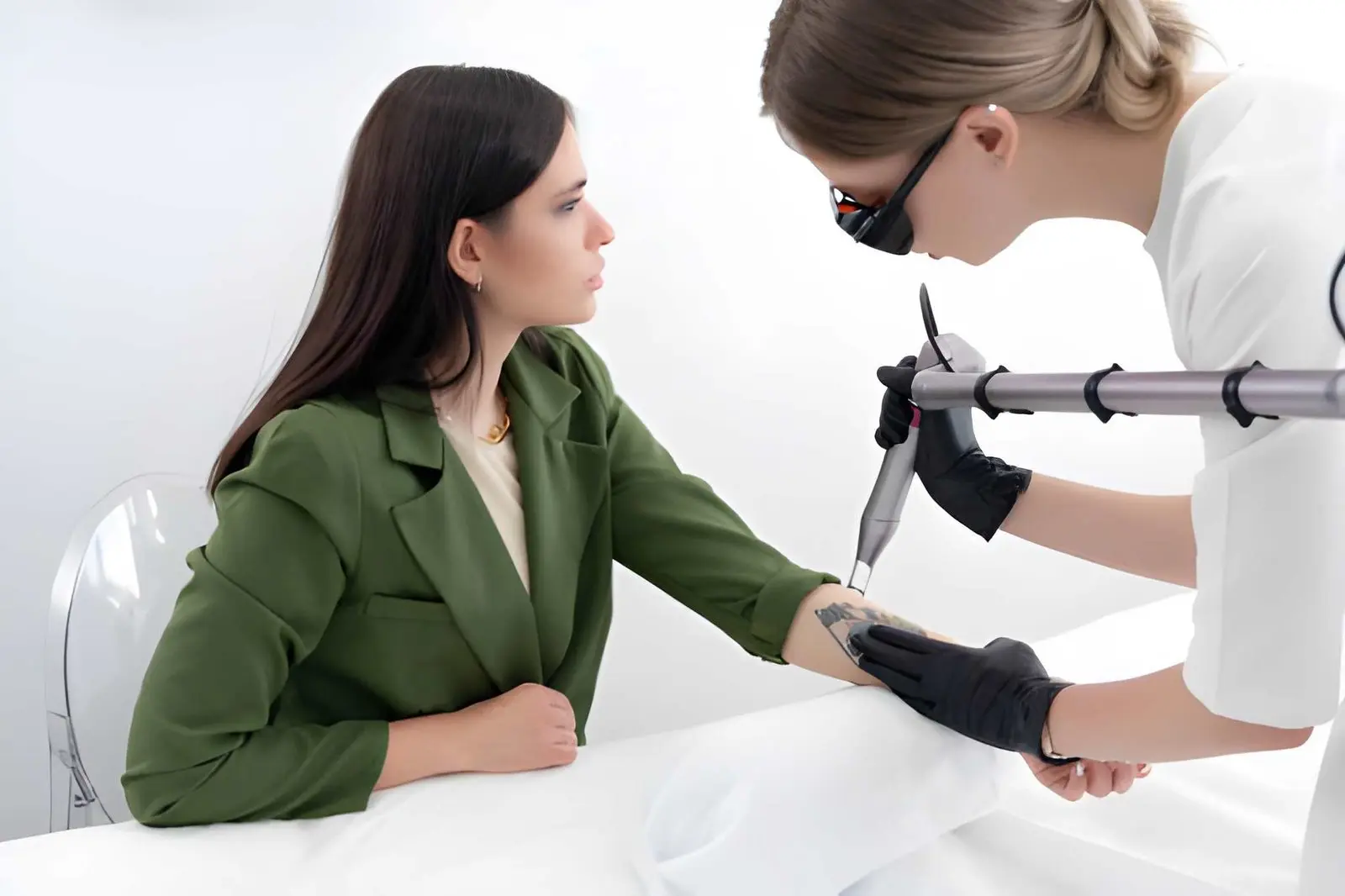
Tattoo removal has become an increasingly significant area within the cosmetic and dermatological fields. As the demand for effective and safe tattoo removal services grows, so does the need for professional expertise. This comprehensive tattoo removal training guide aims to provide an overview of the essential knowledge and skills required to perform tattoo removal treatments proficiently and responsibly.
Understanding Tattoo Removal
Tattoo removal refers to the process of eliminating unwanted tattoos through various medical and cosmetic techniques. The most common method employed today is laser tattoo removal, which utilises specific laser wavelengths to break down tattoo ink pigments. Subsequent natural body processes then remove these fragmented ink particles over time.
Laser Technology in Tattoo Removal
Laser technology is the cornerstone of modern tattoo removal. Different types of lasers target different ink colours and skin types. For effective treatment, practitioners must choose the appropriate laser system and settings. This underscores the importance of thorough tattoo removal training to develop proficiency in laser operation and patient safety protocols.
The Growing Demand for Tattoo Removal Professionals
There has been a notable rise in individuals seeking tattoo removal due to changing personal preferences, professional requirements, or life circumstances. This surge results in an increased need for trained professionals capable of delivering safe and efficient treatments. Acquiring specialised tattoo removal training is essential for practitioners to meet this demand and ensure high-quality service delivery.
Who Should Pursue Tattoo Removal Training?
Professionals in medical aesthetics, dermatology, and allied health fields are prime candidates for tattoo removal training. Additionally, licensed practitioners in the cosmetic industry who wish to expand their service offerings may benefit significantly from formal training programs. Such training equips them with the necessary knowledge of laser technology, skin physiology, and safety regulations.
Core Components of Tattoo Removal Training
Comprehensive tattoo removal training encompasses several core components. These include foundational knowledge of skin anatomy and physiology, understanding tattoo ink compositions, laser physics, and operating different laser devices. The training also covers patient consultation techniques, treatment planning, managing potential side effects, and post-treatment care.
Skin and Tattoo Ink Considerations
A fundamental aspect of training involves studying how tattoo ink interacts with various skin types and how the body metabolises ink particles following laser treatments. Trainees learn to assess skin sensitivity, identify different ink colours, and understand the challenges posed by certain pigments during removal procedures.
Laser Physics and Safety
Knowledge of laser physics is crucial to ensure safe application and optimal outcomes in tattoo removal. Training modules typically cover laser wavelengths, pulse durations, fluence levels, and the mechanism by which lasers target tattoo pigments. Importantly, safety protocols to protect both practitioners and patients are a significant focus, including the use of protective eyewear and managing the risk of adverse reactions.
Practical Skills Development
Hands-on experience is a vital part of tattoo removal training. Trainees gain practical expertise in operating laser devices, performing consultation assessments, and executing treatment plans. This practical training ensures that practitioners are confident in delivering treatments, recognising potential complications, and responding effectively.
Patient Assessment and Treatment Planning
Effective tattoo removal begins with a thorough patient assessment. Training teaches practitioners to evaluate tattoo characteristics such as size, colour, age, and location on the body. This information guides the development of customised treatment plans tailored to each patient’s specific needs and skin conditions.
Managing Side Effects and Complications
While laser tattoo removal is generally safe, side effects such as redness, swelling, blistering, or hypo- and hyperpigmentation may occur. Comprehensive training emphasises recognising early signs of complications and implementing appropriate interventions. Additionally, understanding contraindications and when to refer patients to medical professionals is critical.
Post-Treatment Care and Patient Education
Proper post-treatment care is essential to maximise healing and treatment efficacy. Training programmes cover patient education on wound care, sun avoidance, and recognising signs of infection or other complications. Educated patients are more likely to have positive experiences and successful outcomes.
Ethical and Legal Considerations
Tattoo removal practitioners must adhere to legal regulations and ethical standards. Training includes guidance on obtaining informed consent, maintaining patient confidentiality, and documenting treatments accurately. Awareness of local laws regarding laser use and practitioner qualifications is also covered.
Benefits of Accredited Tattoo Removal Training
Completing an accredited tattoo removal training course provides practitioners with recognised credentials, enhancing their professional credibility. Additionally, trained professionals are better equipped to deliver safe and effective treatments, leading to improved patient satisfaction and business reputation.
Continuous Professional Development
The field of tattoo removal continues to evolve with advancements in laser technology and treatment protocols. Therefore, ongoing education and professional development are encouraged to stay current with best practices and emerging research.
Conclusion
As the demand for tattoo removal services expands, professional training has become indispensable for practitioners aiming to offer safe and reliable treatments. Comprehensive tattoo removal training provides the necessary theoretical knowledge and practical skills required to perform these procedures competently.
For those interested in advancing their expertise or entering this specialised area, engaging in structured training courses is highly recommended. Such courses not only enhance clinical skills but also support adherence to safety and ethical standards, ultimately contributing to better patient outcomes and professional success.
Further information on specialised training options can be explored through providers who offer tattoo removal training programs tailored to industry requirements.
Also read-Financial Terminology: Life Insurance Words Explained