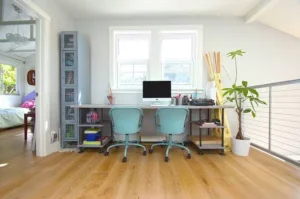
College life brings relentless energy, packed lecture halls, and constant social activity. Finding a peaceful home base allows your brain to recharge after long study days. Heavy noise disrupts sleep patterns and ruins academic focus fast.
Securing a quiet place near school takes thoughtful planning. You must look past glossy brochures to inspect neighborhood layouts and building soundproofing. Smart renters know exactly which details protect their peace of mind.
Evaluating Location and Neighborhood Noise Levels
Distance from campus amenities plays a major role in daytime sound levels. Properties right across from athletic stadiums or campus transit hubs experience high foot traffic. Choosing a neighborhood set back from busy commercial avenues makes daily rest much easier.
Street traffic creates continuous background friction throughout study sessions. Many learners looking for Student Apartments in Winston Salem, for example, prioritize leafy side roads over busy thoroughfares. Visiting the neighborhood at night reveals local volume patterns clearly.
Local zoning laws directly influence surrounding evening sound. Subdivisions with strict parking rules prevent loud late-night gatherings right outside your window. Inspecting the immediate block on foot uncovers hidden acoustic surprises before signing anything.
Prioritizing Building Layout and Floor Selection
The location of your apartment can affect how much noise you hear. Corner apartments share fewer walls with neighbors.
Private apartments can offer more peace and freedom. A 2025 survey found that almost 70% of college students prefer apartments over dorm rooms. Private kitchens and separate rooms can help reduce noise from daily activities.
Try to choose an apartment away from elevators and trash areas. These places can be noisy throughout the day and night. Checking the building layout before renting can help you find a quieter place to live.
Inspecting Soundproofing and Physical Construction
Good building materials help keep outside noise from entering your home. Concrete floors block more noise than wooden floors. Double-glazed windows help reduce sounds from traffic and people outside.
When visiting an apartment, check these important features:
- Thick doors with tight seals
- Walls with soundproof insulation
- Double-glazed windows
You can check how well the walls block noise. Knock on shared walls and listen to the sound. A solid, dull sound usually means the wall is thicker. Good walls, doors, and windows help keep your home quiet without needing extra rugs or other soundproof items.
Reviewing Management Policies and Community Guidelines
Building rules can show how much managers care about keeping residents comfortable. Clear quiet hours help students study, sleep, and relax without too much noise.
Too much noise can make it hard to focus and learn. Global health guidelines suggest keeping noise around 55 decibels in places used for learning.
Helpful staff should deal with noise complaints quickly. Ask how the building handles these problems before moving in. Good management helps keep the building peaceful throughout the school year.
Securing a restful study environment transforms your academic college journey. Setting clear boundaries and selecting the right building saves you countless sleepless nights. You deserve an apartment where concentration comes naturally.
Take your time to tour potential homes during evening hours. Asking detailed questions about wall framing, floor levels, and community conduct pays off in peace. A quiet personal sanctuary sets you up for lasting classroom success.
Read more: https://englishsharpmind.com/the-benefits-of-higher-education-for-veterans-unlocking-opportunities/
https://englishsharpmind.com/the-checklist-for-renting-your-first-student-home/