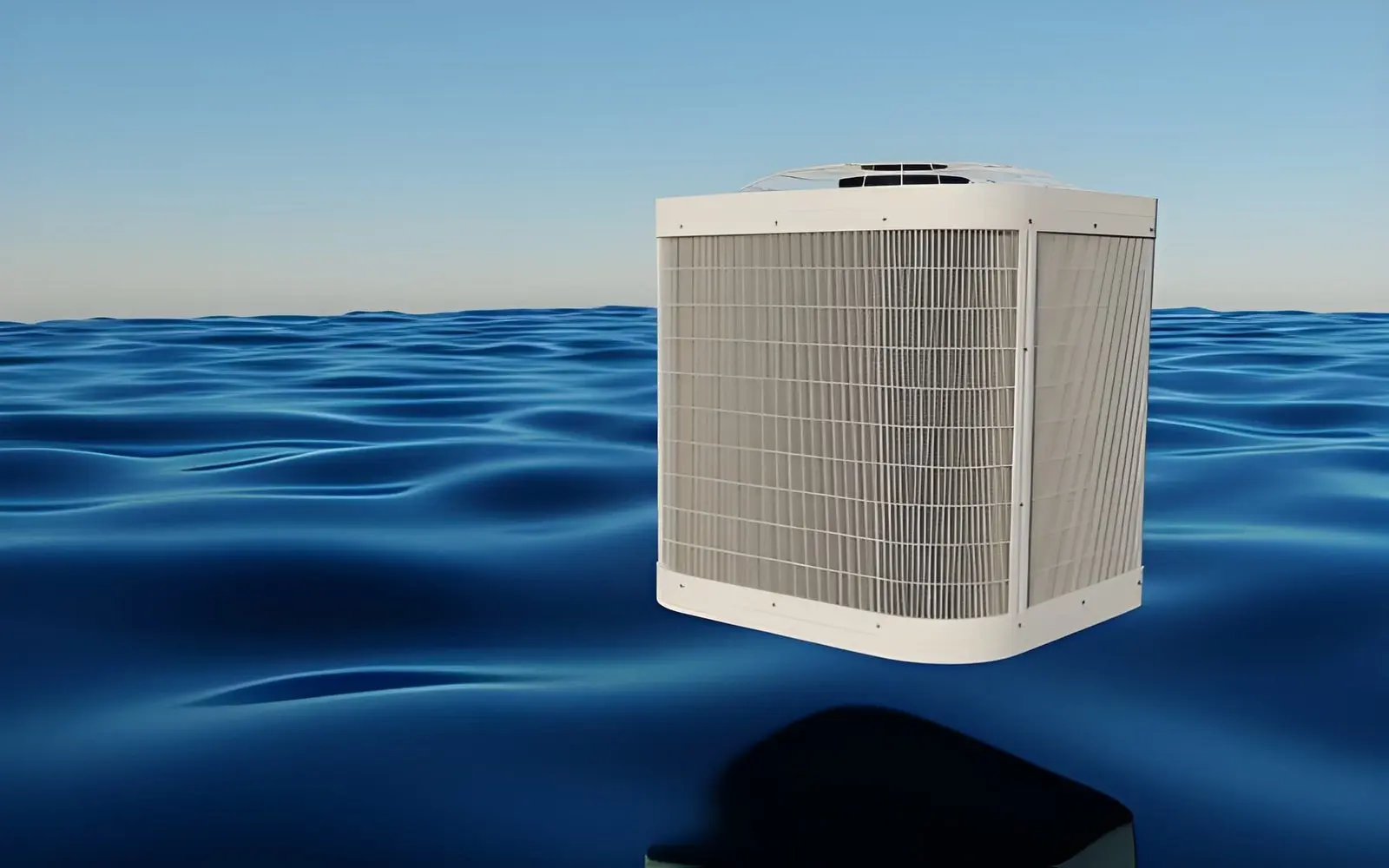
Living near the ocean brings cool breezes and mild temperatures, but it also introduces conditions that can be tough on heating and cooling equipment. Salt in the air, elevated humidity, and frequent wind-driven debris can speed up wear, reduce efficiency, and make comfort harder to maintain year-round. The good news: a few coastal-specific habits—along with the right equipment choices—can keep your system running smoothly and extend its life. This guide explains how coastal environments affect HVAC systems, what you can do at home to minimize problems, and when it’s smart to bring in a professional.
Salt, Moisture, and Wind: Why Coastal Conditions Stress HVAC Systems
Sea salt travels on the wind in tiny droplets and can settle on outdoor units. Over time, this salty film attracts moisture and accelerates corrosion on coils, fins, fasteners, and electrical connections. That corrosion can reduce heat transfer, forcing the system to run longer for the same result. Humid air compounds the issue by making indoor spaces feel warmer, encouraging lower thermostat settings and longer run times. If these patterns sound familiar, or if you notice a white, chalky residue around your outdoor unit, consider scheduling Reliable HVAC service in Oceanside, CA to assess performance and identify early signs of salt-related damage.
Coastal winds can also blow sand, leaves, and other debris into outdoor equipment, bending delicate fins and restricting airflow. Inside the home, high humidity can promote microbial growth in damp ducts or around poorly insulated air handlers. If ducts run through a hot attic or crawlspace, leaky joints may pull in moist, unfiltered air that taxes the system and degrades indoor air quality. Recognizing these stressors helps you target preventive steps that matter most along the coast.
Smart Equipment and Materials Choices for Coastal Homes
When selecting or replacing equipment near the ocean, material durability is as important as efficiency ratings. Look for outdoor units with corrosion-resistant coatings on coils and cabinets, stainless or composite fasteners, and protective grilles that still allow ample airflow. Some manufacturers offer models described as “coastal-ready” or with enhanced protective treatments—ask about those options and what maintenance they still require. Proper placement matters too: install the condenser on a raised, level pad away from roof runoff and automatic sprinklers, and orient it to reduce direct blast from prevailing winds without blocking ventilation.
Air filtration and humidity control also deserve attention. Pleated filters in the MERV 8–11 range are a practical balance for many homes, capturing fine particles without overly restricting airflow in systems not designed for high-MERV resistance. If you’re considering denser filtration due to allergies or frequent coastal dust, have a technician confirm that your blower and ductwork can handle the added pressure. In persistently humid interiors, a whole-home dehumidifier or a thermostat with humidity controls can improve comfort and reduce the urge to overcool, which saves energy and wear on the system.
A Preventive Maintenance Calendar That Matches the Coast
Coastal HVAC systems benefit from a seasonal routine. Plan a comprehensive tune-up in spring before cooling season and another in fall before heating demands pick up. Between professional visits, lightly rinse the outdoor coil with fresh water every month or two during salty or windy periods—just power off the unit first and avoid harsh cleaners or high-pressure sprays that can bend fins. After storms, remove leaves and debris from around the condenser, and gently straighten any visibly crushed fins with a fin comb or leave that to a pro during the next service.
Indoors, replace or clean filters on a regular cadence—monthly checks are wise, even if your filter’s rated for longer use, because coastal dust and humidity can load filters faster. Make sure the condensate drain is clear to prevent backups that lead to musty odors or water damage around the air handler. Keep 2–3 feet of clearance around both indoor and outdoor units, and trim vegetation to promote airflow. A simple maintenance log noting filter changes, coil rinses, and any unusual system behavior can help a technician spot patterns and address small issues before they become expensive repairs.
Energy Efficiency Without Sacrificing Comfort
Humidity changes how we experience temperature: damp air feels warmer in summer and cooler in winter. Rather than cranking the thermostat, combine modest setpoints with strategies that support your HVAC system. Seal and insulate ductwork—especially in attics, garages, or crawlspaces—so your conditioned air isn’t wasted. Use ceiling fans to enhance comfort at slightly higher summer setpoints. Program your thermostat for steady, gradual changes instead of big swings, which can cause unnecessary run time and short cycling. Shade south- and west-facing windows with exterior awnings or interior coverings to reduce solar heat gain and lighten the cooling load.
Ventilation is another lever. Run bathroom exhaust fans during and after showers, and use range hoods when cooking to move moisture out quickly. If your home tends to trap humidity, ask about balanced ventilation systems that exchange stale indoor air with fresher outdoor air while limiting energy loss. The goal is to keep indoor relative humidity in a comfortable mid-range so your HVAC doesn’t need to work as hard. Together, these measures curb costs, minimize wear, and help your equipment handle the coastal climate more gracefully.
When to Call a Professional—and How to Prepare
Some warning signs call for expert attention: frequent short cycling, ice on the refrigerant lines, sudden energy bill spikes, rooms that won’t reach set temperature, or persistent musty odors. Corrosion on the outdoor unit, tripped breakers at startup, or unusual grinding or squealing noises also merit a visit. Before the appointment, note what you’ve observed, when it happens, and any recent changes in the home. Clear access to equipment, check that the thermostat has fresh batteries, and confirm that filters aren’t clogged—simple steps that save time and may resolve minor issues outright.
When choosing a contractor, verify proper licensing and insurance, and ask about experience with coastal systems, including anti-corrosion treatments, coil care, and duct sealing strategies suitable for humid environments. Clarify what a seasonal tune-up includes and whether they offer maintenance plans that prioritize proactive care. A technician familiar with coastal conditions can help you balance efficiency, comfort, and durability, so your system keeps up with sea breezes and salty air without constant intervention. With the right habits and periodic expert support, coastal living can be comfortable, efficient, and easier on your HVAC for years to come.
Also Read
- How Blockchain Technology Works in Simple Terms
- What Boat Owners Should Check Before Making An Upgrade