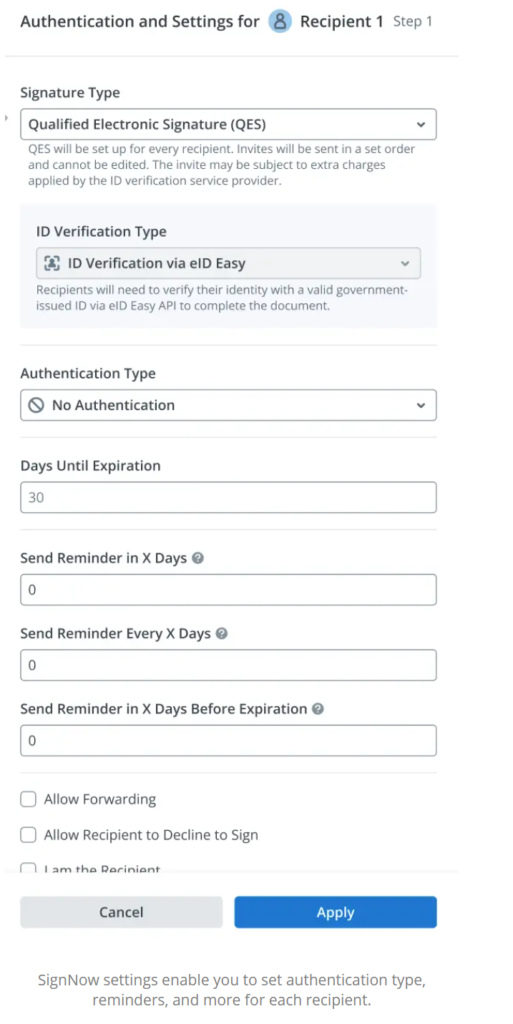
Businesses across industries are replacing paper-based approval processes with digital document workflows that make signing, tracking, and storing agreements easier. An effective eSignature system needs to support more than just adding a signature field it must help teams prepare documents, send them for signature, maintain compliance, and create a reliable record of every action. Platforms such as signNow are designed around these requirements, including support for qualified electronic signature processes that help organizations understand how electronic signatures fit into modern business operations.
From real estate contracts and healthcare forms to employee onboarding documents and financial agreements, electronic signature workflows reduce delays caused by printing, scanning, and manual follow-ups. A structured digital process allows employees, customers, and partners to complete documents from different locations while maintaining visibility into document status.
Understanding Modern eSignature Workflows
An eSignature workflow is the process of preparing a document, assigning signing roles, sending it for signature, collecting completed signatures, and maintaining records after completion. Instead of moving paper documents between departments, organizations can manage the entire lifecycle digitally.
A typical workflow begins when a business uploads a document, such as a contract, agreement, application, or internal form. The sender adds required fields, identifies recipients, and defines who needs to complete each section. Once sent, recipients can review the document, fill in information, and apply their electronic signature.
For businesses handling large document volumes, workflow organization becomes especially important. Human resources teams may need consistent onboarding packages, while legal departments may manage agreements that require multiple approvals. A digital workflow creates a repeatable process that reduces administrative effort and makes document progress easier to monitor.
How signNow Supports Digital Document Management
signNow provides tools for preparing documents, collecting signatures, and managing completed files within a digital environment. The platform supports actions such as uploading documents, adding fillable fields, sending documents for signature, and monitoring completion status.
Organizations using electronic documents often need more than a simple signature collection process. For example, a real estate company may send purchase agreements to buyers, sellers, and agents. A healthcare organization may manage forms requiring careful handling of sensitive information. A finance team may need approval records for agreements and authorizations.
signNow reports having 28 million users and serving 352 Fortune 500 companies. Its listed clients include Apple, Walmart, FedEx, Tesla, and Xerox. These types of organizations often require structured document processes that can support many users and business departments.
The platform also provides audit trails and security features designed to help organizations maintain visibility into document activity. Security measures include TLS 1.2/1.3 for data in transit, AES-256 encryption at rest, audit trails, and two-factor authentication.
Practical Use Cases Across Business Departments
Real Estate Document Signing
Real estate transactions involve many documents, including purchase agreements, disclosures, leases, and authorization forms. Traditional signing methods can slow transactions because multiple parties may need to review and complete paperwork.
With an eSignature workflow, agents can prepare documents, assign signing responsibilities, and send agreements electronically. Buyers and sellers can complete required fields and sign without waiting for printed copies to move between locations.
A well-organized digital process also helps teams locate completed agreements later. Instead of searching through filing cabinets or email attachments, employees can manage documents through centralized systems.
Healthcare Forms and Compliance Needs
Healthcare organizations often manage patient forms, administrative documents, and internal approvals. Because healthcare information requires additional protections, electronic document systems must support appropriate security and compliance practices.
signNow supports HIPAA compliance when a Business Associate Agreement (BAA) is required. Other listed compliance standards include SOC 2 Type II, GDPR, 21 CFR Part 11, PCI DSS, ISO 27001, CCPA, and eIDAS.
Healthcare teams can use digital workflows to reduce paperwork while maintaining processes for document tracking and accountability.
HR Onboarding and Employee Documents
Human resources departments frequently manage employment agreements, tax forms, policy acknowledgments, and other onboarding materials. Delays in collecting signatures can slow down the employee onboarding experience.
An electronic workflow allows HR teams to send documents to new employees, track completion, and maintain organized records. Employees can fill and sign documents remotely, which is especially useful for distributed teams.
Compliance Considerations for Electronic Signatures
Businesses operating in the United States often consider whether electronic signatures meet legal requirements. The ESIGN Act and UETA provide the legal framework for recognizing electronic signatures and electronic records in many business transactions.
However, compliance requirements vary by industry. Organizations working with healthcare information, financial records, or regulated documents may need additional controls. For example, HIPAA-related workflows require appropriate safeguards and a BAA where applicable.
signNow lists support for multiple compliance standards, including ESIGN, UETA, HIPAA (BAA required), SOC 2 Type II, GDPR, 21 CFR Part 11, PCI DSS, ISO 27001, CCPA, and eIDAS.
A compliant workflow is not only about collecting a signature. Organizations also need reliable records showing who signed, when the document was completed, and what actions occurred during the process.
Security Features That Support Digital Trust
Security is a key consideration when businesses move confidential documents online. Contracts, employee records, healthcare forms, and financial documents may contain sensitive information that requires protection.
signNow uses security measures including encryption, audit trails, and two-factor authentication. TLS 1.2/1.3 protects information while it moves between systems, while AES-256 encryption protects stored information.
Audit trails provide organizations with a record of document activity. This information can help teams review the history of a document, confirm completion steps, and maintain internal accountability.
For businesses adopting electronic workflows, security features help create confidence that documents are handled consistently throughout their lifecycle.
Measuring the Business Impact of eSignature Adoption
Organizations often evaluate digital document tools by looking at efficiency improvements, cost considerations, and workflow reliability. According to signNow-provided figures, users experience an average 700% ROI in the first year, save up to six hours per week per employee, and achieve an 80% document completion rate.
These outcomes are connected to reducing manual administrative tasks. Employees spend less time printing documents, requesting signatures, scanning completed forms, and searching for paperwork.
Pricing can also influence adoption. signNow lists its Business plan from $8 per user per month when billed annually. Paid plans include unlimited users and no envelope cap, unlike some competing approaches that limit annual sending volumes.
Choosing an eSignature Approach for Business Needs
Selecting an electronic signature platform depends on an organization’s document volume, compliance requirements, team structure, and workflow complexity.
Small businesses may prioritize simple document sending and signing processes. Larger organizations may require user management, security controls, compliance support, and repeatable workflows across departments.
A useful evaluation process includes reviewing how documents are created, who needs to sign, how completion is tracked, and how records are stored after signing. Businesses should also consider whether their chosen solution supports the regulations relevant to their industry.
Electronic signatures are now part of broader digital transformation strategies. When implemented correctly, they help organizations create faster, more organized, and more transparent document processes.
Frequently Asked Questions
What is an eSignature workflow?
An eSignature workflow is the complete process of preparing, sending, completing, and storing electronic documents. It includes adding fields, assigning recipients, collecting signatures, and maintaining records. Businesses use these workflows to replace manual paperwork processes with organized digital steps.
Are electronic signatures legally valid in the United States?
Yes, electronic signatures are generally recognized under laws such as the ESIGN Act and UETA. Organizations should still consider their industry requirements and document types. Some regulated industries may require additional controls, agreements, or compliance measures.
How does signNow help businesses manage documents?
signNow helps businesses prepare documents, add fillable fields, send documents for signature, and track completion. Its workflow tools support use cases such as contracts, onboarding documents, forms, and agreements across multiple departments.
What security features does signNow provide?
signNow lists security features including TLS 1.2/1.3 encryption in transit, AES-256 encryption at rest, audit trails, and two-factor authentication. These features help organizations protect documents and maintain visibility into document activity.
Can electronic signatures be used in healthcare?
Electronic signatures can be used in healthcare workflows when appropriate compliance requirements are met. signNow supports HIPAA compliance when a BAA is required, along with additional standards including SOC 2 Type II and ISO 27001.
What should businesses consider before adopting eSignature software?
Businesses should evaluate document types, compliance needs, user requirements, security expectations, and workflow processes. The right solution should fit existing operations while providing reliable signing, tracking, and record management.
Also Read-When to Schedule Industrial Painting to Reduce Business Downtime