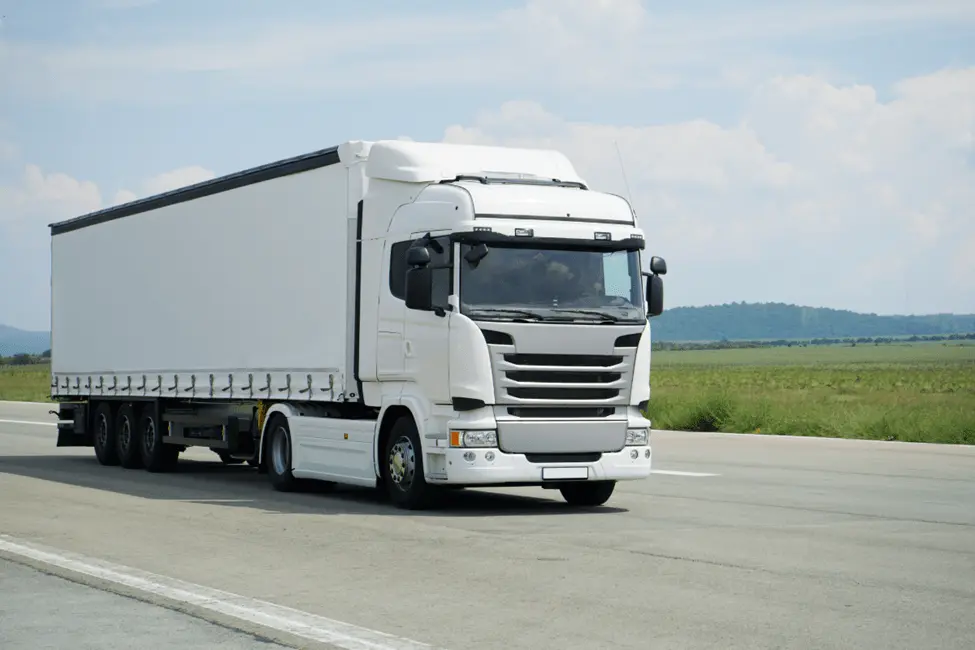
Commercial trucks are built to carry heavy loads, but every truck has limits. When a truck is overloaded or the cargo weight is poorly distributed, the vehicle can become harder to stop, steer, and control. These problems can increase the risk of serious crashes, especially on highways, rural roads, construction routes, and industrial corridors in North Dakota.
For drivers in Minot and the surrounding area, overloaded trucks can create dangerous situations because their size and weight already make them more difficult to maneuver than passenger vehicles. When extra weight is added beyond safe or legal limits, the risk becomes even greater.
Overloaded Trucks Need More Distance to Stop
A fully loaded truck already requires more stopping distance than a passenger car. When the truck is overloaded, the braking system has to work harder to slow the vehicle. This can increase stopping distance and make it more difficult for the driver to react to sudden traffic changes.
This becomes especially dangerous when traffic slows quickly, vehicles stop at intersections, or road conditions are affected by snow, ice, rain, or gravel. If a truck cannot stop in time, the result may be a rear-end collision, multi-vehicle crash, or impact with a smaller vehicle.
Extra Weight Can Strain the Braking System
Brakes are designed to handle a vehicle within certain weight limits. When a truck carries too much cargo, the brakes may overheat, wear faster, or lose effectiveness. This can be a serious issue on long routes, downhill sections, or during repeated braking in traffic.
If maintenance is already poor, overloading can make the problem worse. Worn brakes, damaged components, or skipped inspections may become much more dangerous when the truck is carrying excessive weight.
Steering Becomes Less Responsive
Overloading can also affect steering. A truck that is too heavy or unevenly loaded may respond more slowly when the driver turns the wheel. If the cargo shifts or too much weight is placed over certain axles, the driver may have less control during lane changes, curves, or emergency maneuvers.
This can be particularly risky near construction zones, narrow roads, intersections, and areas where passenger vehicles are moving around a large truck. A driver may try to correct the vehicle’s path, but the truck may not respond as expected.
Stability Can Be Reduced
An overloaded truck may be less stable, especially if the cargo is stacked too high, loaded unevenly, or not secured properly. When the center of gravity changes, the truck may be more likely to sway, jackknife, or roll over.
Rollover risks can increase during sharp turns, sudden lane changes, highway ramps, or when a driver reacts quickly to avoid another vehicle. Even if the truck does not roll over, instability can cause the trailer to swing or drift into another lane.
Tire Stress and Blowouts
Excess weight puts more pressure on tires. If a tire is overloaded, underinflated, worn, or damaged, it may be more likely to fail. A tire blowout on a large truck can cause the driver to lose control, scatter debris, or create a hazard for nearby vehicles.
Tire failure may also raise questions about vehicle inspection, maintenance practices, cargo weight, and whether the truck was safe before the trip began.
Cargo Distribution Matters
A truck does not have to exceed its total weight limit for loading problems to create danger. If the cargo is distributed poorly, one axle or side of the vehicle may carry too much weight. This can affect braking balance, steering control, tire pressure, and trailer stability.
Poorly distributed cargo may also shift during travel. When cargo moves inside or on a trailer, it can change how the truck handles and make the driver’s job much harder.
North Dakota Conditions Can Increase the Risk
North Dakota roads can present added challenges for large trucks. Snow, ice, wind, rain, construction zones, gravel, and long rural routes can all affect control. A truck that is overloaded may have less ability to adjust safely when conditions change.
Bad weather does not automatically explain away a crash. Commercial drivers and trucking companies are still expected to account for road conditions, vehicle weight, cargo stability, and safe route planning.
Why Overloaded Truck Accidents Require Careful Review
After a crash involving an overloaded truck, the investigation may involve more than the driver’s actions. Important records may include weigh station data, cargo documents, bills of lading, loading instructions, inspection reports, maintenance records, permits, driver logs, and electronic vehicle data.
Several parties may be involved, including the truck driver, trucking company, cargo loader, shipper, broker, maintenance provider, or vehicle owner. Determining responsibility may depend on who controlled the load, who approved the route, and whether safety rules were followed.
When Legal Guidance May Help
Overloaded truck accident claims can become complicated when injuries are serious, multiple businesses are involved, or key records are controlled by the trucking company. Evidence can disappear quickly if the truck is repaired, cargo is removed, or digital records are overwritten.
For someone injured in or the surrounding North Dakota area, speaking with a Minot overloaded truck accident lawyer can help clarify which records may matter and how the truck’s weight, cargo distribution, and safety history may be evaluated.
Lowe Law Group assists people affected by serious commercial truck accidents. The firm can be a useful local resource when medical treatment, insurance questions, trucking records, and liability issues overlap.
Final Thoughts
Overloaded trucks can affect braking, steering, tire safety, and overall stability. These risks can become even more serious when poor maintenance, bad weather, unsafe cargo loading, or company pressure is involved.
A careful investigation can help determine whether excessive weight or poor load distribution contributed to the crash and which parties may have played a role.
Also Read
- Understanding the Dangers of Rollover Car Accidents
- When Earthing Shoes Actually Make Sense in Everyday Life
- From Hidden Drain Issues to Accurate Diagnostics: Understanding CCTV Drain Surveys