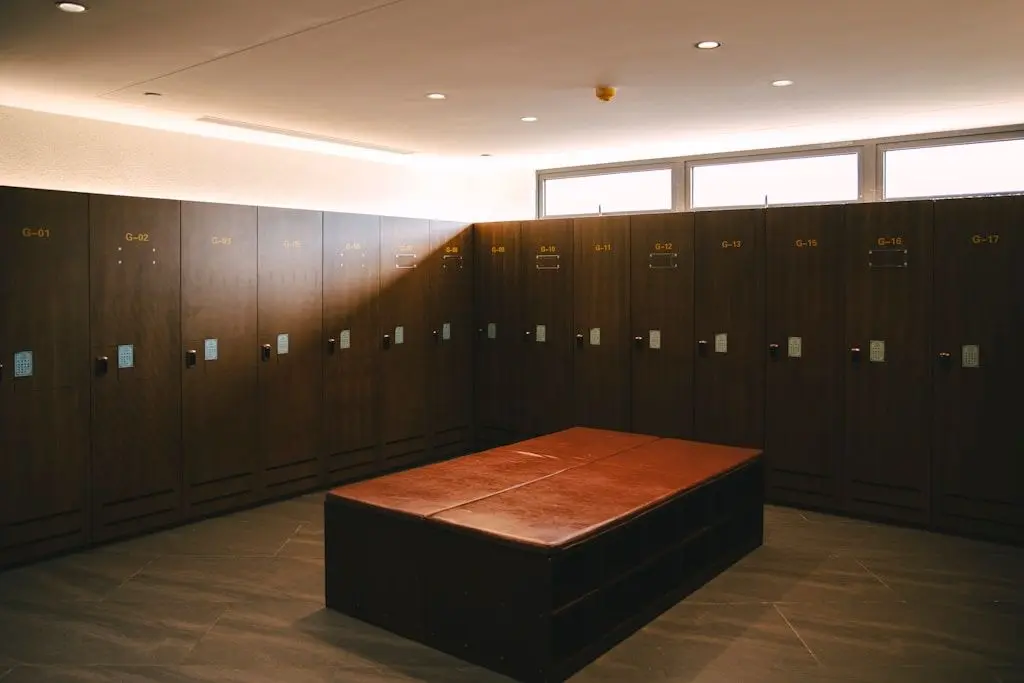
A well-designed swimming pool facility is not only about the pool itself. Changing rooms and their equipment play an important role in creating a comfortable and safe environment for visitors. Lockers are one of the most frequently used elements of swimming pool infrastructure, which means they must be able to withstand intensive daily use, high humidity and strict hygiene requirements.
Choosing the right locker system requires careful consideration. The lowest purchase price is not always the most cost-effective solution in the long term. Factors such as material durability, resistance to moisture, ease of cleaning, security systems and efficient use of space all influence the quality and lifespan of the equipment.
Modern swimming pool facilities need solutions that combine functionality, reliability and attractive design. Properly selected lockers can improve the visitor experience while helping facility owners reduce maintenance and replacement costs.
Why are pool lockers an important part of swimming pool design?
Changing rooms are often the first and last area visitors use during their visit to a swimming facility. Their organisation, cleanliness and functionality directly influence the overall perception of the venue.
Lockers should provide sufficient storage space for personal belongings while allowing users to move comfortably through the changing area. In busy swimming pools, poorly planned locker rooms can lead to congestion, reduced comfort and difficulties during peak hours.
For this reason, locker systems should be considered an important part of the entire facility design process. Their size, configuration and placement should be planned together with other elements, including benches, showers and sanitary areas.
What should you consider when choosing pool lockers?
Selecting the right solution starts with understanding the specific requirements of the facility. A small local swimming pool, a large aquatic centre, a fitness club or a hotel wellness area may require different approaches.
The most important factors include:
- the expected number of users,
- the intensity of daily operation,
- available changing room space,
- humidity levels,
- cleaning procedures,
- security requirements,
- design expectations.
Professional pool locker systems should combine durability with practical everyday use. Before making a decision, it is worth considering not only the initial investment but also the long-term costs associated with maintenance and possible replacement.
Detailed information about solutions designed for swimming pool changing rooms is available at: https://alsanit.co.uk/e-shop/pool-lockers
Choosing the right material for a wet environment
Swimming pools create challenging conditions for furniture and storage equipment. Constant exposure to moisture, temperature changes and cleaning products means that materials used in changing rooms must provide high resistance and long-term durability.
One of the most suitable materials for demanding environments is HPL (High Pressure Laminate). This material is resistant to moisture, mechanical damage and frequent cleaning, which makes it particularly suitable for swimming pool facilities.
When selecting pool lockers, the material should be evaluated not only by appearance but also by its ability to maintain functionality over many years. A locker installed in a humid environment must remain stable, easy to maintain and resistant to everyday use.
ALSANIT specialises in solutions for demanding changing room environments, offering equipment designed for swimming pools, sports facilities and other high-traffic locations. The use of durable materials allows facilities to create reliable locker systems adapted to intensive operation.
How to design a functional swimming pool changing room?
Even the highest-quality lockers will not provide maximum comfort if the changing room layout is poorly planned. The arrangement of equipment should support smooth movement and allow users to access their belongings easily.
A functional design should take into account:
- sufficient space between locker rows,
- easy access to individual compartments,
- logical movement paths,
- accessibility requirements,
- the expected number of visitors.
The number of lockers should correspond to the capacity of the facility. Too few units can create unnecessary queues, while excessive numbers may reduce available space and negatively affect user comfort.
Professional planning allows swimming pool operators to create changing rooms that work efficiently both during quiet periods and at times of high visitor traffic.
Security solutions for modern locker systems
Visitors expect their personal belongings to remain protected while they use the swimming pool. For this reason, the locking system is one of the most important elements when choosing locker equipment.
Traditional key locks remain a popular option, but modern facilities increasingly use electronic locking systems. These solutions can improve convenience for users and make locker management easier for operators.
Depending on the facility, possible options include combination locks, RFID systems or other access technologies. The right choice depends on factors such as the size of the venue, visitor turnover and operational requirements.
A reliable locking system improves user confidence and contributes to a better overall experience.
Ventilation and hygiene in swimming pool lockers
Humidity control is one of the biggest challenges in swimming pool changing rooms. Wet towels, swimwear and frequent cleaning processes create conditions where proper ventilation becomes essential.
Well-designed lockers should support air circulation and allow easy maintenance. Smooth surfaces and resistant materials help cleaning teams maintain high hygiene standards, which is especially important in facilities used by many visitors every day.
The ability to clean lockers quickly and effectively reduces maintenance time and helps preserve the appearance of the changing room over the long term.
How to choose the right locker configuration?
There is no universal locker configuration suitable for every swimming pool. The best solution depends on the available space, user profile and operational requirements of the facility.
Common options include:
- individual lockers for personal belongings,
- larger compartments for clothing and bags,
- L-shaped lockers for improved space utilisation,
- customised configurations for specific projects.
In smaller changing rooms, efficient use of space is particularly important. Compact solutions can increase storage capacity without reducing user comfort.
Large aquatic centres may require different locker types for various groups of users, including adults, children, athletes and employees.
Design and appearance of swimming pool changing rooms
Functionality is essential, but aesthetics also influence how visitors perceive a facility. A modern swimming pool should provide not only practical solutions but also a pleasant environment.
Locker finishes, colours and layouts can help create a consistent interior design. This is particularly important in premium facilities such as wellness centres, hotels and modern leisure complexes.
A well-designed changing room can strengthen the professional image of the venue and improve visitor satisfaction.
Why long-term planning matters when choosing lockers
Pool lockers are an investment designed to serve users for many years. For this reason, decisions should be based on long-term performance rather than only the initial purchase price.
Before choosing a solution, facility owners should consider:
- durability of materials,
- expected lifespan,
- ease of maintenance,
- availability of replacement components,
- future changes in facility usage.
A high-quality locker system can reduce operational costs and minimise the need for frequent repairs or replacement.
How to choose a reliable supplier?
Selecting the right manufacturer is an important part of the investment process. An experienced supplier can provide not only products but also support with planning, configuration and adapting solutions to the specific requirements of the building.
A professional approach helps avoid common mistakes, such as selecting unsuitable materials, insufficient storage capacity or inefficient locker placement.
ALSANIT provides solutions for swimming pool and sports facilities, combining durable materials with practical designs suitable for demanding environments.
Pool lockers as a long-term investment
Choosing the right pool lockers requires balancing several factors: durability, functionality, hygiene, security and design. Swimming pool environments demand equipment that can withstand moisture, intensive use and frequent cleaning.
The best solutions are those that meet the needs of both visitors and facility operators. Comfortable access, reliable security and easy maintenance contribute to a better user experience and more efficient facility management.
A modern changing room is not just a storage area. It is an important part of the overall swimming pool experience, and properly selected lockers can support the safe and comfortable operation of the facility for many years.
Also Read-How Blockchain Technology Works in Simple Terms