Somewhere in your late thirties or early forties, you start noticing things. Workouts that used to leave you sore and satisfied now just leave you tired. Your sleep gets weird. Your patience shortens. The gut you never had suddenly shows up uninvited. Most guys chalk it up to aging and move on, but for a good chunk of men, something else is going on underneath: testosterone is dropping faster than it should.
Hormone therapy has become one of those topics that everyone has an opinion on and almost no one explains clearly. Here’s a straight look at what it is, who it actually helps, and what to watch for before you sign up for anything.
What’s really happening with your hormones
Testosterone naturally declines as men age. That part is normal. What’s not normal is the rate at which it’s dropping in younger men today, and the number of guys in their thirties reporting symptoms that used to be reserved for their fathers.
The drop matters because testosterone isn’t just about muscle and libido. It influences mood, focus, sleep quality, energy, bone density, insulin sensitivity, and even how your body stores fat. When levels dip too low, the effects show up everywhere at once, which is why the symptoms are so easy to blame on stress, work, or “just getting older.”
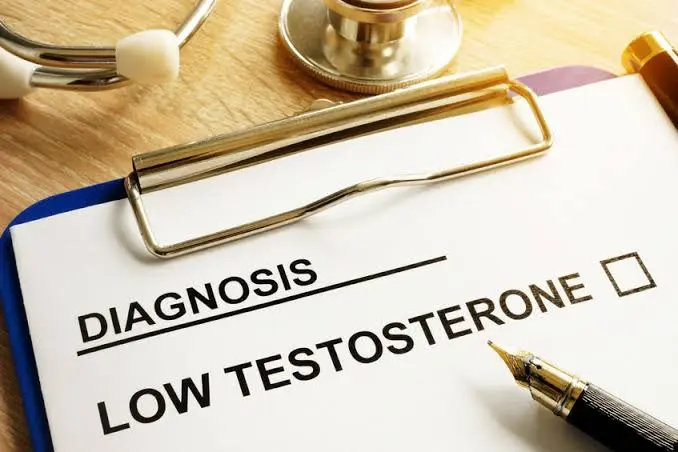
Clinically low testosterone is called hypogonadism. It’s diagnosed with blood work, not a symptom checklist off the internet, and that distinction matters more than most people realise.
Signs worth taking seriously
Not every off day means your hormones are shot. But if a cluster of these things has been going on for months, it’s worth looking into:
- Persistent fatigue that sleep doesn’t fix
- Low libido or noticeable changes in sexual function
- Loss of muscle mass despite training
- Stubborn belly fat that wasn’t there before
- Brain fog, low motivation, or a flat mood
- Poor sleep, especially waking up unrefreshed
- Irritability that feels out of character
One or two symptoms in isolation? Probably not it. Six of them, showing up together, sticking around for six months? That’s a conversation worth having with someone who knows what they’re looking at.
What the process usually looks like
Good hormone therapy starts with actual data. That means comprehensive blood work, not a five-minute chat and a prescription. A proper workup checks total testosterone, free testosterone, estradiol, SHBG, LH, FSH, thyroid markers, and a full metabolic panel. Skipping any of these is how people end up on treatments that don’t fit their body.
If your results support a diagnosis, treatment usually involves either testosterone injections, creams, or pellets, sometimes paired with medications that keep your natural production and fertility intact. The specific protocol depends on your age, whether you want kids in the future, your baseline levels, and how your body responds.
Follow-up is where a lot of clinics quietly fall down. You should be retested regularly, especially in the first six months, and your protocol should be adjusted based on how you’re feeling and what the numbers say. Set-and-forget prescribing is a red flag.
What to expect if you start treatment
The honest timeline: energy and mood often shift first, sometimes within a few weeks. Libido tends to follow. Body composition changes are slower, usually a few months in, and only if you’re also training and eating like someone who wants to see results. Hormone therapy isn’t a shortcut past effort. It’s a way to make your effort count again.
You should also know that this is a long-term commitment. Once you start, your body downregulates its own production. Coming off later means either accepting the return of your original symptoms or going through a restart protocol that isn’t guaranteed to work. This is why choosing carefully at the start matters so much.
The risks nobody puts on the brochure
Testosterone therapy is generally safe when it’s monitored properly. But there are trade-offs, and any doctor who glosses over them isn’t doing you any favours.
Red blood cell count can rise, which increases the risk of clots. Estradiol can climb, causing water retention, mood swings, or breast tissue changes if it isn’t managed. Fertility usually drops significantly on treatment, sometimes permanently, unless you’re using additional medications to protect it. Sleep apnea can worsen. Prostate health needs to be tracked, especially in men over forty.
None of this is a reason to avoid treatment if you genuinely need it. It’s a reason to work with someone who tests thoroughly, monitors regularly, and treats you like a patient rather than a subscription.
Finding the right kind of help
This is where things get complicated. Hormone therapy has exploded in popularity, and the quality of care available now ranges from excellent to genuinely dangerous. There are legitimate clinics doing careful, personalised work, and there are operations essentially handing out testosterone by mail order with almost no oversight.
If you’re going to do this, work with men’s hormone therapy specialists who take a full clinical picture rather than just handing you a script based on one number. Look for a practice that does thorough baseline testing, explains your results in a way that actually makes sense, adjusts your protocol based on how you’re responding, and is honest about the parts of treatment that aren’t perfect. Ask them about follow-up frequency. Ask what they do if your estradiol climbs. Ask what happens if you want to come off in five years. The answers will tell you a lot.
Avoid anywhere that promises quick results without bloodwork, sells you a package before understanding your situation, or treats hormone optimisation like a lifestyle product rather than a medical treatment.
The bottom line
Hormone therapy isn’t a magic fix, and it isn’t for every man who feels a bit off. For guys with genuinely low levels and real symptoms, though, it can be genuinely life-changing. Energy comes back. Motivation returns. Training starts working again. Your head clears.
The difference between a great outcome and a bad one usually comes down to two things: whether you actually need it, and who’s guiding you through it. Get both of those right, and the rest tends to take care of itself.
Also Read-From Style to Savings: Smart Kitchen Cabinet Design Trends for Modern Homes