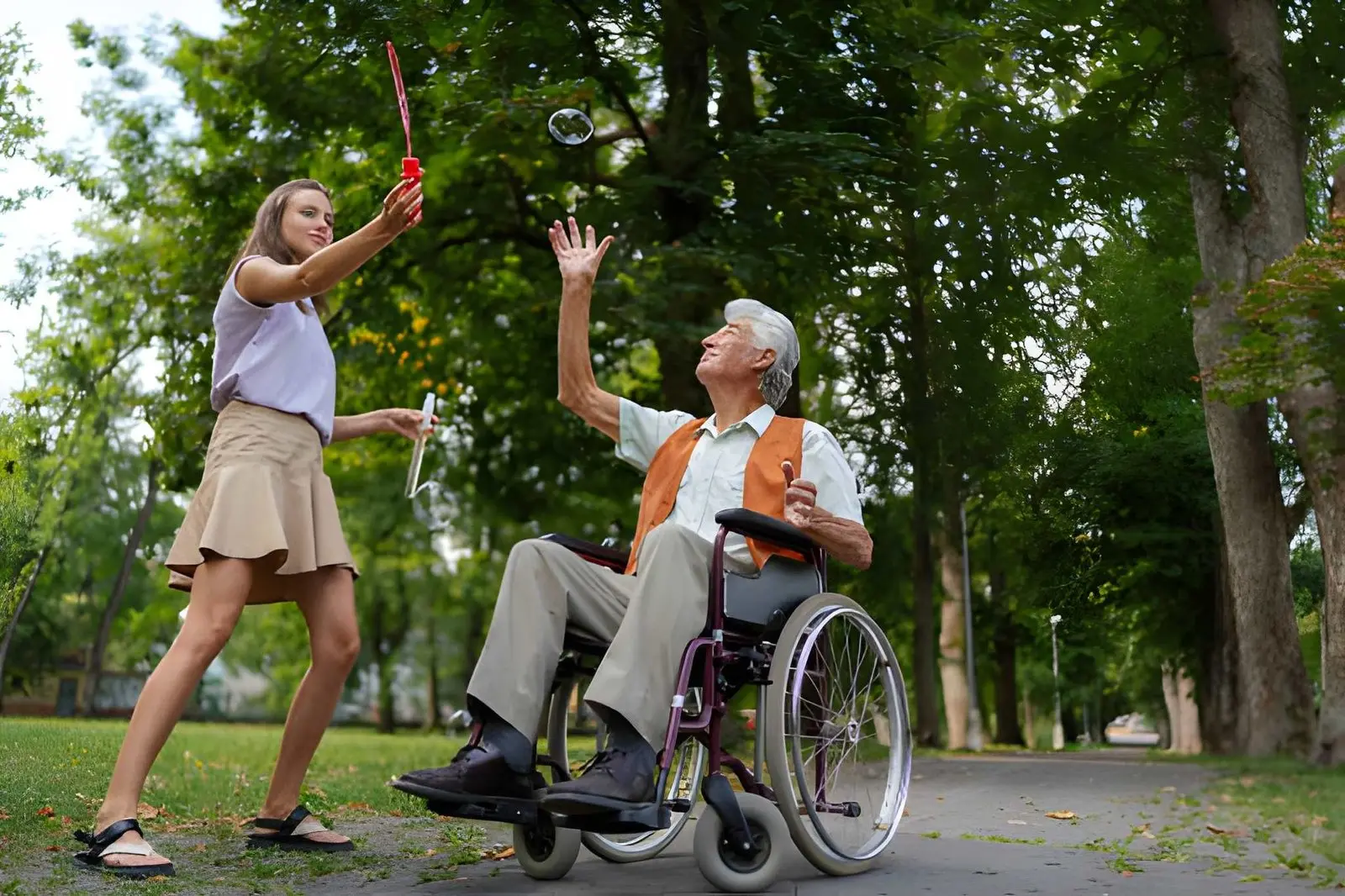
By the year 2060, adults aged 65 and older are projected to make up 23.4 percent of the United States population, according to a recent U.S. Census Bureau report. As this demographic rapidly grows, the conversation around healthy aging must shift toward long-term mobility support. For many seniors, staying active is not just about physical fitness. It is about retaining the ability to live safely and confidently on their own terms. Since over 20 percent of older adults who live alone lack access to a personal vehicle, safe pedestrian mobility remains critical for daily life and healthy aging. Global initiatives, such as the United Nations Decade of Healthy Ageing, are now prioritizing the development of age-friendly communities to support this exact need.
The Importance of Daily Movement
Physical activity is the cornerstone of independent aging. While high-intensity workouts might not be suitable for everyone, a consistent routine of low-impact exercises can yield incredible benefits for the mind and body. Simple activities like daily brisk walks help keep joints flexible, build cardiovascular endurance, and maintain crucial muscle mass over time. According to experts at the Mayo Clinic, a regular walking routine improves heart health, and actively helps to improve physical function and lower fall risk in older adults.
To confidently maintain this level of activity outside the home, having the right support is essential. Advanced materials have transformed mobility tools, making them lighter and more accessible. For those who want reliable, on-the-go support without the burden of carrying a heavy device everywhere, a fold up walking stick provides a convenient and practical solution. These versatile tools can be easily stored in a bag or vehicle when not in use, offering peace of mind during longer excursions.
Building a sustainable routine often requires a holistic approach to wellness. Readers interested in exploring more about injury prevention and safe exercise routines can find helpful advice in our broader health and wellness guides to ensure they are taking the right steps toward a comprehensive health regimen.
Overcoming Mobility Aid Stigma
Despite the proven benefits of staying active, emotional resistance remains a major barrier to personal safety. Research indicates that a majority of older adults who experience a fall were not using their prescribed walking device at the time. This reluctance is often tied to social stigma, as many individuals fear that using assistive tools makes them look frail or elderly. Stigmatizing language informally referring to devices as elderly strollers only reinforces these negative biases. It falsely equates assistive devices with physical decline rather than recognizing them as powerful tools for empowerment.
Fortunately, the mobility aid industry is experiencing a major shift toward modern, stigma-free designs. Aerospace-grade carbon fiber and other sleek materials are now replacing traditional, bulky steel and aluminum. Carbon fiber is incredibly lightweight yet approximately five times stronger than steel, significantly reducing user fatigue. When individuals feel comfortable and stylish using their equipment, they are far more likely to incorporate it into their daily habits. These sleek, non-clinical designs actively combat user hesitation and encourage proactive safety before a severe incident occurs.
Practical Fall Prevention Strategies
More than one in four older adults in the United States will experience a fall this year, making it the leading cause of fatal and non-fatal injuries for this age group. Approximately 20 percent of these falls result in a serious consequence, such as a broken bone or a head injury. Furthermore, experiencing a previous fall dramatically increases future risk, raising the odds of a subsequent fall by 118 percent, according to recent longitudinal mobility studies. To combat these alarming statistics, older adults and caregivers should adopt proactive safety measures.
Here are several effective strategies for reducing fall risks and maintaining independence at home and outdoors:
- Assess your personal risk: Utilizing digital assessment tools allows older adults to answer simple questions to determine their personal fall risk score and receive actionable safety steps.
- Develop a personalized plan: Crafting customized plans helps seniors and caregivers stay active while minimizing environmental hazards.
- Engage in structured balance training: Multifactorial physical programs that incorporate structured strength and balance training have been shown to reduce fall rates by 30 to 40 percent among independent older adults.
- Update your living space: Simple modifications like installing grab bars in the bathroom, improving lighting in hallways, and removing loose rugs can drastically cut down on common tripping hazards.
Maintaining independence as you age does not mean avoiding physical challenges. Instead, it involves making smart, proactive choices about your health and safety. By incorporating daily movement, utilizing modern mobility aids without shame, and actively participating in structured fall prevention programs, older adults can navigate their communities with confidence. Taking these practical steps today ensures a safer, more active tomorrow.
Also Read-Balancing Academic and Physical Health Goals