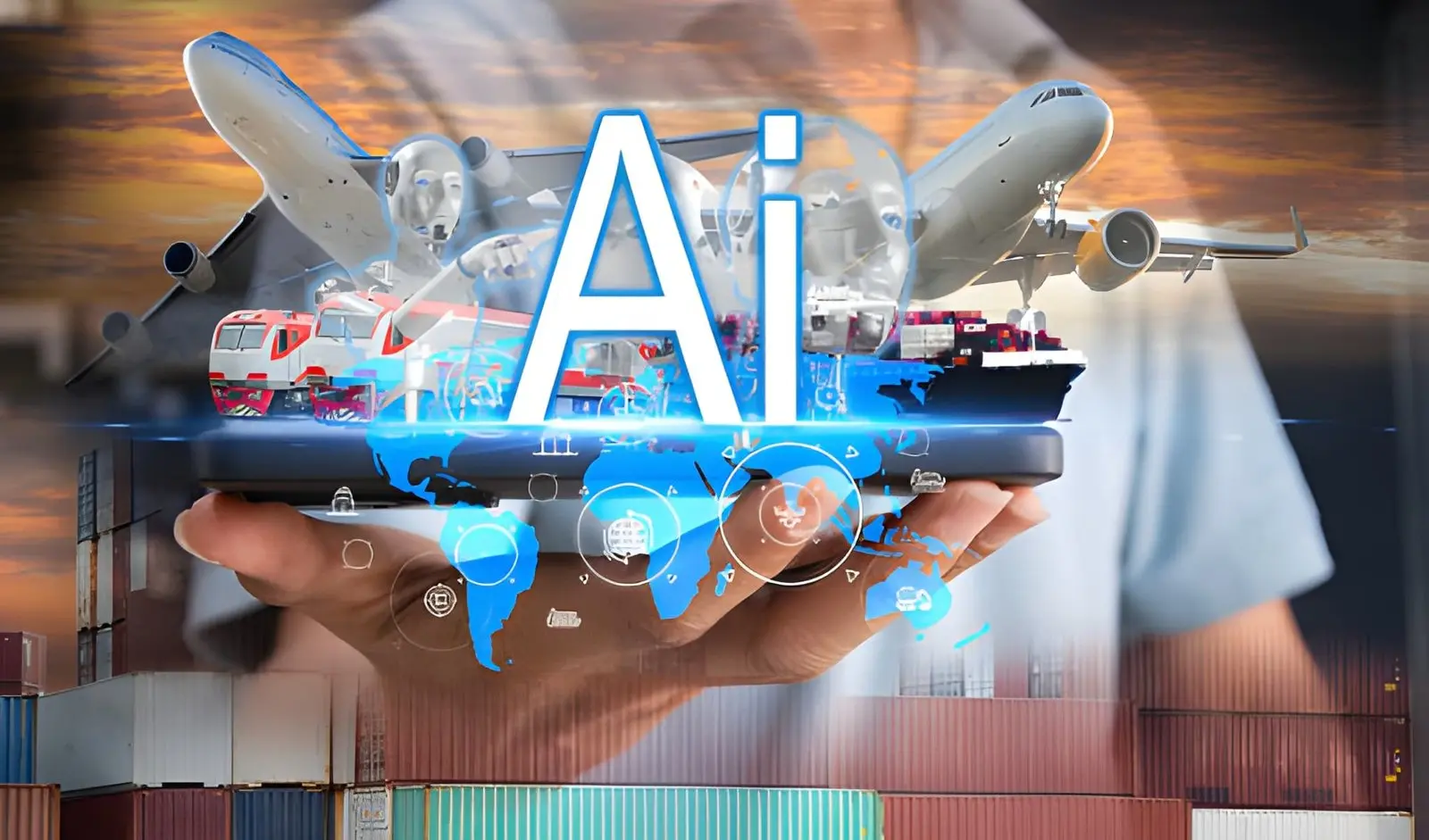
Logistics in India has never been a simple business to run. The distance between a well-made plan and what actually happens on the ground can be significant, and for the longest time, the industry simply worked around that reality. You built in buffers, leaned on experience, and accepted a certain level of unpredictability as part of the job. But that mindset is gradually shifting, and a lot of that has to do with how artificial intelligence is starting to find its footing in day-to-day logistics operations across the country.
Rethinking How Logistics Gets Planned
Planning in logistics has traditionally been a fairly manual exercise. Senior people with years of experience would make calls based on what they knew, what had worked before, and what their instincts told them. That kind of knowledge is genuinely valuable and isn’t going anywhere. But it has limits, particularly as operations grow larger and more complex.
The sheer number of variables involved in logistics supply chain management today like fluctuating demand, capacity constraints, vendor reliability, and warehousing, makes it increasingly difficult for even the most experienced teams to stay on top of everything at once. This is where AI starts to earn its place. A few areas where AI is making planning noticeably more effective:
- Demand Forecasting that Actually Holds Up: Traditional forecasting was often based on historical averages and a fair amount of assumptions. AI models can factor in a much wider range of inputs, including seasonal trends, market signals, and past anomalies, to produce forecasts that are far more reliable in practice.
- Allocating Resources Without the Usual Back-and-Forth: Deciding which resources go where, and when, used to involve a lot of coordination across teams. AI can handle a significant portion of that automatically, based on live data, which frees up planning teams to focus on decisions that genuinely require human judgement.
- Adjusting Plans Mid-Stream: Perhaps the most practical benefit is how AI handles disruptions. Rather than waiting for a problem to escalate and then scrambling to replan, AI systems can identify an emerging issue and recalibrate the plan quickly, sometimes before the operations team has even been alerted.
- Spotting Where Money is Being Lost: Inefficiencies in logistics are often buried in data that no one has time to properly analyse. AI can surface patterns across thousands of transactions and flag areas where costs are consistently higher than they should be.
Visibility Has Always Been the Weak Link
If there is one complaint that comes up repeatedly across supply chain and logistics operations in India, it is the lack of reliable, real-time visibility. Businesses want to know where their consignments are, whether they are on track, and if something has gone wrong, they want to know before the customer calls to ask.
For years, the tools available simply weren’t good enough to provide that. Tracking was inconsistent, updates took their time arriving, and by the time anyone realised something had gone wrong, the window to fix it had often already passed. AI-powered visibility platforms are genuinely changing this, not just by collecting more data but by making it meaningful. Here is what that looks like in practice:
ETAs That Update As Conditions Change
A static estimated arrival time is almost useless in a real logistics environment. AI recalculates arrival estimates continuously based on what is actually happening, so businesses and their customers are always working with current information rather than outdated projections.
Exceptions Flagged Before They Become Crises
AI can detect when something is deviating from plan, whether that is an unusual delay or a consignment sitting idle when it should have moved, and alert the right people in time to actually do something about it.
One Place To See Everything
Managers in logistics supply chain management often spend a surprising amount of time just pulling information together from different systems. AI platforms that integrate data from across the operation and present it in a single view save a significant amount of that time and reduce the risk of things slipping through the cracks.
Customers Getting Proactive Updates
When a business has accurate visibility into its own operations, it becomes much easier to keep customers informed without anyone having to manually chase information and send updates.
Getting Execution Right Is Where It Really Counts
Planning well and having good visibility only matter if execution holds up, and in India, that is often where logistics operations feel the most pressure. The geographic spread means what works smoothly in one region can fall apart in another, and the volume of daily activity means small errors tend to snowball quickly. AI helps by automating routine dispatch and scheduling decisions that would otherwise require someone to manually sign off each time, speeding things up and removing a common but avoidable source of delays.
Beyond dispatch, AI tools that monitor on-ground activity give fleet managers insight they simply did not have before. It is not just about whether a delivery was completed on time, but understanding where time was lost and whether there are patterns worth addressing. Inside warehouses, AI helps goods move through the facility faster and ensures space is being used more effectively, which has a direct impact on overall costs and turnaround times. When you factor in AI handling routine coordination and updates as well, operations teams find themselves spending far less time on admin and far more time on decisions that actually need their attention.
Conclusion
The businesses that are getting logistics right in India today are not necessarily the ones with the most resources. They are the ones who are using data and technology intelligently to plan better, see more clearly, and execute more consistently. AI is central to that.
For companies looking for a logistics partner that brings both operational depth and a genuine commitment to technology-driven visibility, Varuna Group is worth a serious look. The combination of on-ground experience and smart logistics tools is exactly what businesses need as the demands on supply chain and logistics operations in India continue to grow.
Also Read-Top Ways School Leaders Can Use AI to Improve Student Outcomes