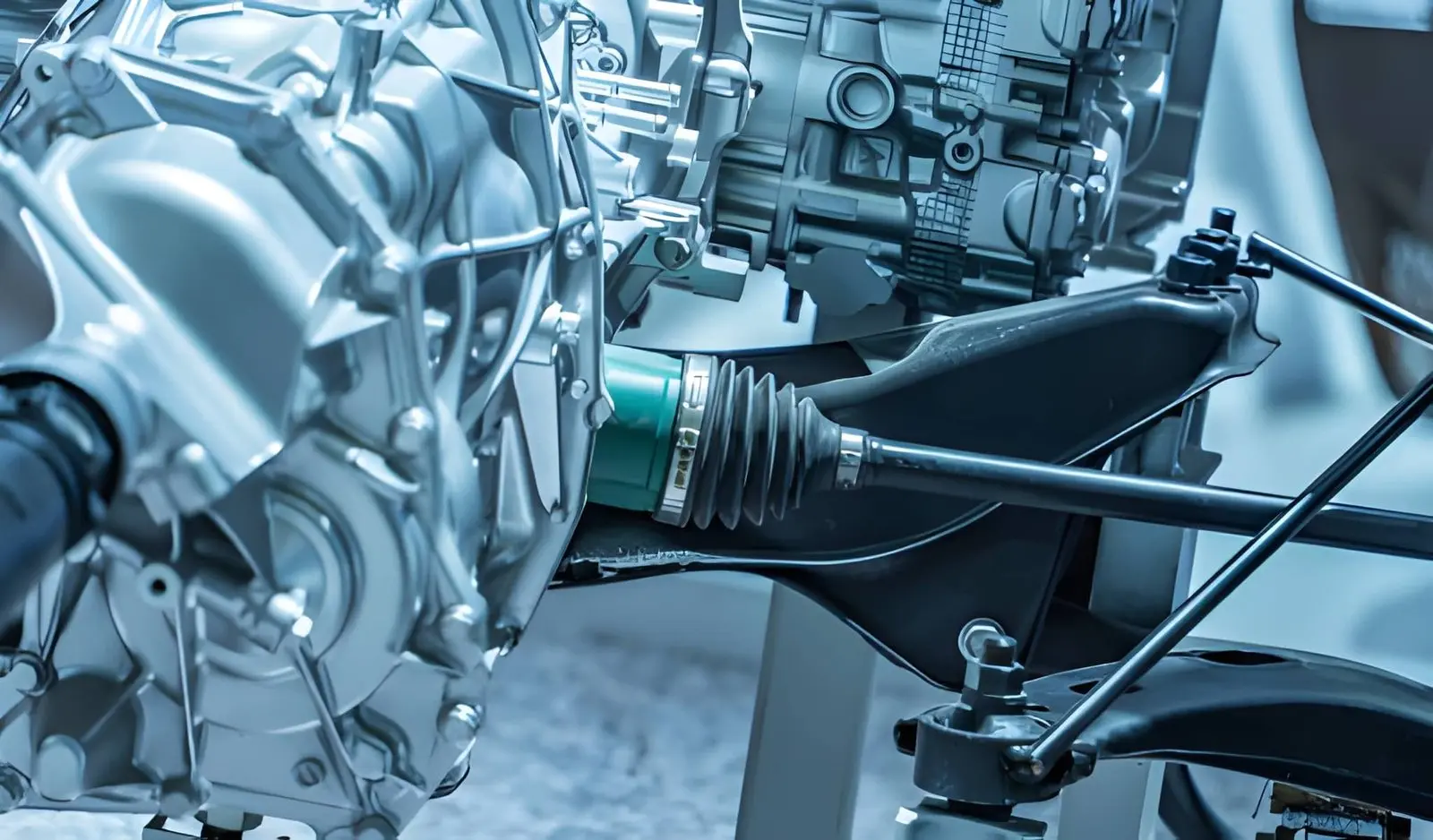
The drivetrain is one of the most important systems in any vehicle because it helps move power from the engine to the wheels. When a driver presses the gas pedal, the engine creates power, but that power has to travel through several components before the vehicle can move. The drivetrain is the group of parts that helps make that happen.
Depending on the vehicle, the drivetrain may include the transmission, driveshaft, axles, differential, transfer case, CV joints, U-joints, seals, bearings, and related hardware. Front-wheel drive, rear-wheel drive, all-wheel drive, and four-wheel drive vehicles can all have different drivetrain layouts, but the basic goal is the same: transfer power smoothly and reliably.
When drivetrain parts are working properly, the vehicle accelerates smoothly, shifts correctly, and feels predictable on the road. When something starts to wear out, the driver may notice vibration, clunking, leaking fluid, grinding, poor acceleration, or strange noises during turns. These symptoms should not be ignored because drivetrain problems can become expensive if they are left alone.
Understanding the drivetrain helps drivers recognize why seals, fluids, grease, fasteners, and service tools matter. A small leak, damaged thread, or poor gasket surface can lead to larger repairs if it affects the parts that keep the drivetrain protected.
Seal Leaks That Can Lead to Larger Repairs
Seals are a major part of drivetrain health. They help keep fluid inside components like the transmission, differential, transfer case, and axles. These fluids lubricate moving parts, reduce heat, and help prevent metal-on-metal wear. If a seal starts leaking, the fluid level may drop, and the parts inside may lose protection.
A small leak may not seem serious at first. Drivers may notice a few drops under the vehicle, damp areas near a differential cover, or oily residue around an axle seal. But even a slow leak can become a bigger problem over time. If the fluid gets too low, gears, bearings, and shafts can overheat or wear faster.
One of the easiest ways to catch drivetrain leaks early is by inspecting the ground under the vehicle and looking for wet areas around powertrain parts. Fluid near the rear differential, transmission pan, axle ends, or transfer case should be checked. The color and smell of the fluid can sometimes help identify where it may be coming from.
Seal leaks can also be connected to worn surfaces, damaged gaskets, loose hardware, or improper repairs. If a cover or housing was removed during service, the sealing surface needs to be cleaned carefully before reassembly. Old gasket material, dirt, or uneven surfaces can prevent a good seal and cause repeat leaks.
This is where surface preparation tools become useful. A gasket remover can help remove old gasket material before a new gasket or sealant is installed. Clean surfaces are important because even a small leftover piece of old gasket can create a leak path.
Drivers and DIYers should be careful when preparing gasket surfaces. Scraping too aggressively can damage aluminum or softer metals. Gouges, scratches, or uneven spots can make sealing more difficult. The goal is to remove old material without harming the surface underneath.
Thread condition also matters around drivetrain service. Differential covers, transmission pans, brackets, mounts, and other components often rely on bolts that need to tighten evenly. If threads are stripped or damaged, the part may not clamp properly. That can lead to leaks, loose hardware, or uneven sealing pressure.
A thread repair kit can be helpful when a threaded hole or fastener area needs repair. Damaged threads can happen from over-tightening, cross-threading, corrosion, or repeated service. Fixing thread damage properly can help restore secure fastening and reduce the chance of leaks or loose parts.
DIYers should avoid forcing bolts during drivetrain work. If a bolt does not start by hand, it may be misaligned or the threads may be dirty. Cleaning threads before reassembly and tightening bolts evenly can help protect the repair.
Seal leaks should always be taken seriously because fluids are what keep drivetrain parts alive. A small leak caught early may only need a gasket, seal, or hardware repair. A leak ignored too long can lead to bearing damage, gear wear, overheating, or more expensive powertrain work.
Grease and Fluid Choices Used Around Powertrain Work
Powertrain and drivetrain parts rely on proper lubrication. Grease and fluid choices matter because each component is designed to operate with specific protection. The wrong fluid or lack of lubrication can cause wear, heat, noise, and poor performance.
Differentials use gear oil to protect gears and bearings. Transmissions require specific fluid based on the vehicle design. Transfer cases may also require their own fluid type. CV joints and U-joints may use grease depending on the design. Because each system has different requirements, drivers should always confirm the correct fluid or grease before service.
Using the wrong fluid can create problems. Some fluids are designed for certain friction properties, temperatures, or materials. A transmission may shift poorly if the wrong fluid is used. A differential may chatter or wear faster if it does not receive the proper oil or additive. When in doubt, the vehicle’s service information should guide the choice.
Grease is also important around certain moving parts. U-joints, slip yokes, bearings, and other serviceable components may need lubrication to move smoothly and resist wear. If these areas dry out, drivers may notice squeaks, clunks, vibration, or stiffness.
Powertrain work can also include older fuel and engine-related systems, especially on classic or older vehicles. A carburetor adjustment tool can be useful for certain carbureted engines when tuning idle mixture or related adjustments. While a carburetor is not part of the drivetrain itself, engine performance affects how smoothly power is delivered to the drivetrain.
If an older engine runs poorly, hesitates, or idles unevenly, the drivetrain may feel rough even if the transmission, driveshaft, and axles are in good condition. Power delivery starts at the engine, so fuel mixture, ignition, and engine tune can affect how the vehicle feels when accelerating or shifting.
Drivers should also pay attention to vibrations. A drivetrain vibration may come from worn U-joints, unbalanced driveshafts, bad mounts, axle issues, or worn bearings. But rough engine operation can sometimes feel similar. Observing when the vibration happens can help narrow down the issue. A vibration at idle may point toward engine or mount problems, while vibration that changes with vehicle speed may involve tires, wheels, bearings, or drivetrain parts.
Fluid changes should be done carefully. Drain plugs, fill plugs, pans, and covers should be inspected for damage. The correct amount of fluid should be added, and leaks should be checked after service. Overfilling or underfilling can both cause problems depending on the component.
Clean work habits matter here too. Dirt, old gasket material, metal shavings, and contaminated fluid should not be allowed back into the system. Powertrain parts operate under load, and contamination can reduce component life.
A smart maintenance approach includes checking fluid condition, looking for leaks, listening for unusual noises, and servicing parts before they fail. Grease and fluid may not seem exciting, but they are essential to keeping drivetrain parts protected.
Conclusion
The drivetrain is important because it transfers power from the engine to the wheels. Without a healthy drivetrain, a vehicle cannot accelerate, shift, turn, or cruise the way it should. Parts like the transmission, driveshaft, differential, axles, seals, and bearings all work together to keep power moving smoothly.
Seal leaks are worth catching early because low fluid can lead to larger repairs. Clean gasket surfaces, good thread condition, and proper sealing habits all help prevent leaks from returning. Tools like gasket remover and thread repair kits can support cleaner repairs when used correctly.
Grease and fluid choices also matter during powertrain work. The right lubricant helps protect gears, bearings, joints, and moving parts from heat and wear. On older vehicles, engine tuning tools can also help improve how smoothly power is delivered.
A reliable drivetrain depends on maintenance, inspection, and careful repair work. When drivers catch leaks early, use the right fluids, and keep related parts in good condition, the vehicle is more likely to stay smooth, dependable, and ready for the road.
Also READ
- Understanding the Dangers of Rollover Car Accidents
- Essay Writing Tips for Better Grades
- Beyond Survival: How Strategic Funding Drives Business Growth, Innovation, and Longevity