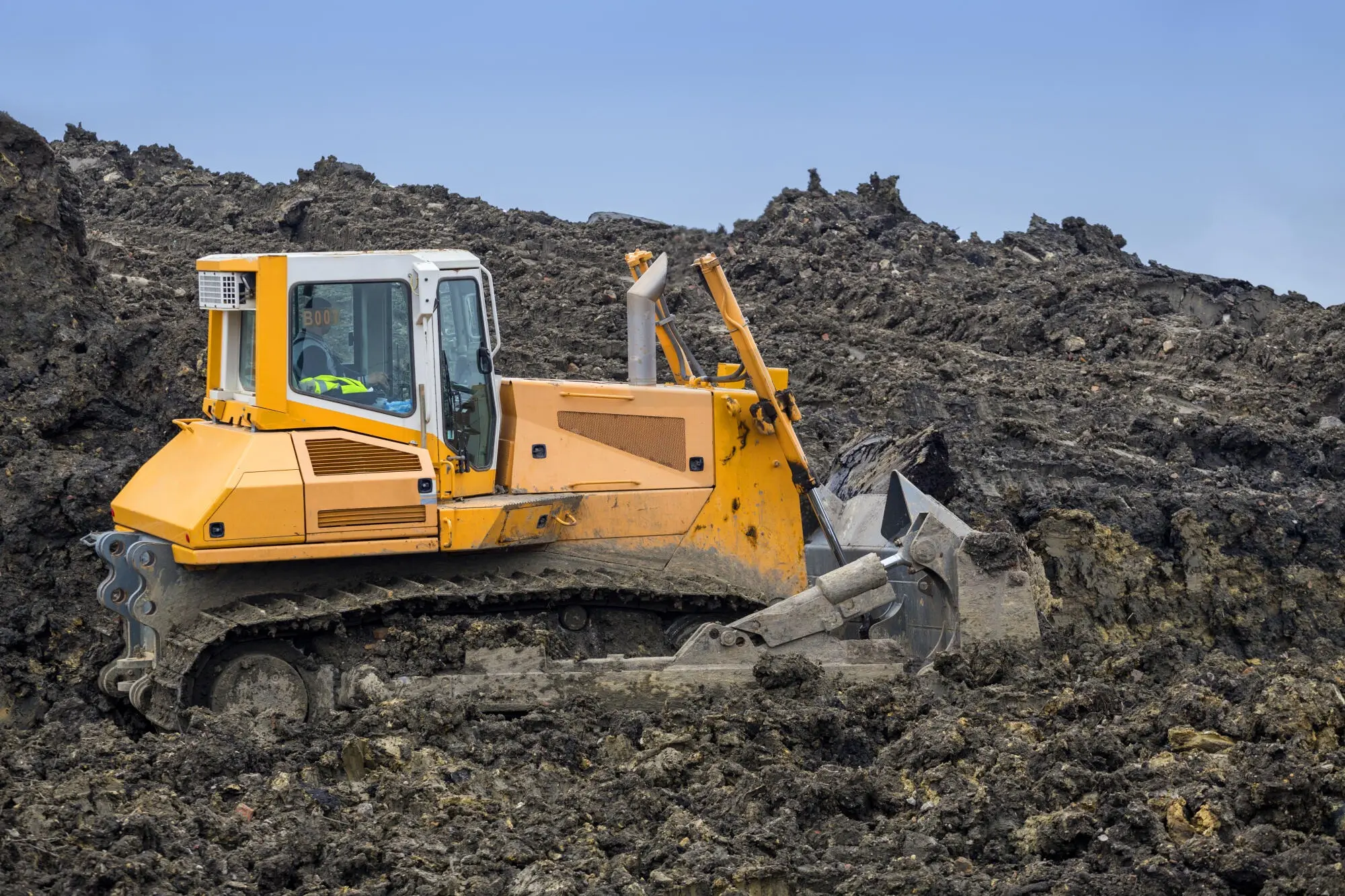
Gravel, soil, concrete, bricks, scrap metal, and demolition debris are dense, awkward, and unforgiving when handled poorly. A few small changes in how you load, route, and unload can reduce fuel use, prevent injuries, and keep projects on schedule. This guide focuses on practical methods that work for construction crews, landscapers, farms, and anyone who regularly moves heavy material by trailer or truck.
Identify the Material and Its Weight
Before choosing equipment, know what you are moving. Different materials have very different weights for the same volume. A cubic yard of dry topsoil may weigh around 2,000 pounds, while the same volume of wet gravel can weigh closer to 3,000 pounds. Concrete rubble, asphalt millings, and scrap metal can be even heavier.
If you know the material type and approximate density, calculate the load weight before filling the trailer. Use the formula: volume in cubic yards multiplied by weight per cubic yard. For irregular items such as broken concrete or steel beams, add a safety margin. Overloading is illegal and makes steering, braking, and tire failure much more likely to happen. Write the expected weight on a job sheet or load ticket so everyone involved knows the limit.
Load for Stability and Legal Weight
How you place material in the trailer matters as much as how much you load. For bumper-pull trailers, aim to put about 60 percent of the load weight in front of the trailer axle and 40 percent behind it. This keeps enough tongue weight on the hitch for stable towing without overloading the rear of the tow vehicle. For gooseneck or fifth-wheel trailers, the balance point is different, but the same principle applies: keep the center of gravity low and slightly forward.
For loose materials, do not pile material high in one spot. A high center of gravity increases the chance of a rollover on uneven ground or sharp turns. If you are using dump trailers, the load must be distributed evenly side to side and not packed against the tailgate. Check the load after the first few miles because vibration can settle loose material and change the balance.
Choose Equipment Based on the Job Site
The right equipment depends on how far you need to move the material, how much you need to move, and what the ground looks like. For short moves across a job site, a wheelbarrow, skid steer, or compact loader may be faster than a road vehicle. A truck and trailer are usually necessary for longer hauls.
Loose, free-flowing material such as sand, gravel, or mulch is easier to move with an open bed or a trailer that can tilt. Large, irregular items such as boulders, logs, or steel beams need flatbeds with strong tie-down points. If you frequently move loose material between sites, a dump body or trailer can reduce unloading time. Avoid using a general-purpose setup for a specialized job if it will cost you extra labor or trips.
Match Trailer Capacity to the Load
Check the gross vehicle weight rating and the payload capacity. The payload is the maximum weight the trailer can safely carry after subtracting the trailer’s own weight. A 14-foot trailer may look big enough for a pile of gravel, but the weight may exceed its axles, tires, or frame.
Leave a margin below the maximum rating. Operating at 100 percent of capacity on rough roads, hills, or hot weather adds stress to tires, bearings, and brakes. For regular heavy hauling, a trailer with a higher capacity than your typical load gives you a wider safety margin. Check the tow vehicle’s towing capacity and tongue weight limits. A trailer that is within its own rating can still be unsafe if the truck or hitch is too small.
Use Mechanical Loading When Possible
Shoveling material by hand is slow and hard on workers. A skid steer, compact track loader, excavator, or even a conveyor can fill a trailer in minutes instead of hours. If you must use manual labor, stage the material close to the trailer and use ramps or chutes to reduce lifting.
Load from the side or rear with a consistent flow. Avoid dropping heavy chunks from a height, which can damage the trailer bed and create uneven weight distribution. For bulky items, place the heaviest pieces on the bottom and secure them before adding smaller material. This lowers the center of gravity and prevents shifting during transport.
Plan the Route Before You Load
A heavy trailer changes how you drive and where you can go. Before moving, plan the route with attention to the following:
· Road weight limits
· Low bridges
· Sharp turns
· Soft ground
· Steep grades
A shorter route may include a road that is not rated for heavy loads or a bridge with a clearance that your loaded trailer cannot clear. Use a map or GPS designed for trucks if you are hauling large loads. Check the weather: rain can turn a dirt access road into soft mud that will bog down a heavy trailer. If you are moving material on a job site, walk the path first. A few minutes of route planning can prevent a stuck trailer, a damaged fence, or a long backup.
Unload with Gravity and Controlled Flow
Unloading should be as deliberate as loading. Let gravity do most of the work for loose materials. A dump bed or tilt trailer can empty quickly, but a sudden release of heavy material can damage the trailer, injure workers, or create a pile that is hard to manage. Open the tailgate or release the load slowly on uneven ground.
If you are unloading by hand, place the trailer close to where the material will be used. Use ramps or a spotter to guide wheelbarrows and machinery. Never allow anyone to stand directly behind a dumping trailer or in the path of a sliding load. A falling pile of gravel or concrete can move faster than a person can react.
Plan for More Efficient Hauling
Efficiency comes from preparation, the right equipment, and clear communication. By matching the load to the trailer, planning the route, and maintaining your equipment, you can move heavy materials with fewer trips, less strain, and fewer unexpected problems. Visit our website to stay on top of our latest blog posts.
Also Read-How Blockchain Technology Works in Simple Terms