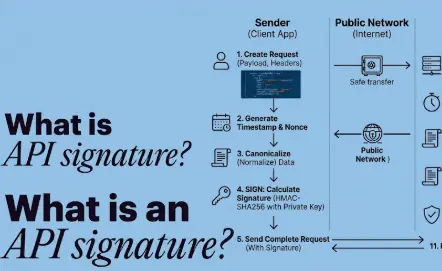
Digital businesses increasingly rely on connected systems to manage agreements, approvals, and customer interactions. An API signature is one part of this ecosystem that helps applications communicate securely while supporting automated electronic document processes. For organizations exploring automated signing workflows, understanding the relationship between APIs, electronic signatures, and document management is important. A practical starting point is learning what is api signature and how it fits into modern eSignature solutions.
An eSignature API allows businesses to connect signing capabilities directly into their existing software, reducing manual steps between document preparation, sending, signing, and storage. Platforms such as signNow support organizations that need digital workflows across departments including real estate, healthcare, finance, legal services, and human resources.
Understanding API Signature in Digital Workflows
An API signature is a method used to authenticate and verify requests between software systems. In simple terms, it helps confirm that a request sent from one application to another is legitimate and has not been altered during communication. This type of security process is especially important when businesses handle sensitive documents, contracts, and personal information.
Within an electronic document workflow, APIs allow different systems to work together. For example, a company may use a customer relationship management platform to collect client information, then connect that system with an eSignature platform to automatically prepare and send agreements. The API creates a bridge between these tools while security measures help protect data exchanges.
For businesses, this reduces repetitive administrative work. Instead of downloading documents, uploading files, and manually tracking signatures, employees can complete many steps through connected software environments.
How eSignature APIs Support Business Processes
Automating the Send for Signature Process
One of the most common uses of an eSignature API is automating the send for signature process. A company can create a document workflow where information is collected from internal systems, placed into the correct agreement, and routed to the appropriate signer.
In real estate, for example, an agency may need purchase agreements, disclosures, and lease documents signed by multiple parties. An integrated workflow can help organize these documents while allowing buyers, sellers, agents, and other stakeholders to complete signing electronically.
Healthcare organizations can also use digital workflows for forms, consent documents, and administrative paperwork. When handling protected health information, organizations must consider compliance requirements such as HIPAA, including the need for a Business Associate Agreement (BAA) where applicable.
Connecting eSignature With Existing Applications
The value of an API is that it allows businesses to keep their existing processes while adding electronic signing capabilities. Instead of forcing employees to change every step of their workflow, an integration can place signing options within familiar business applications.
Finance teams may use electronic signatures for approvals, account documents, and agreements. Legal teams can manage contracts and review cycles more efficiently. HR departments can simplify onboarding by sending employment forms and policy acknowledgments digitally.
signNow reports use by 28 million users and 352 Fortune 500 companies, with customers including organizations such as Apple, Walmart, FedEx, Tesla, and Xerox.
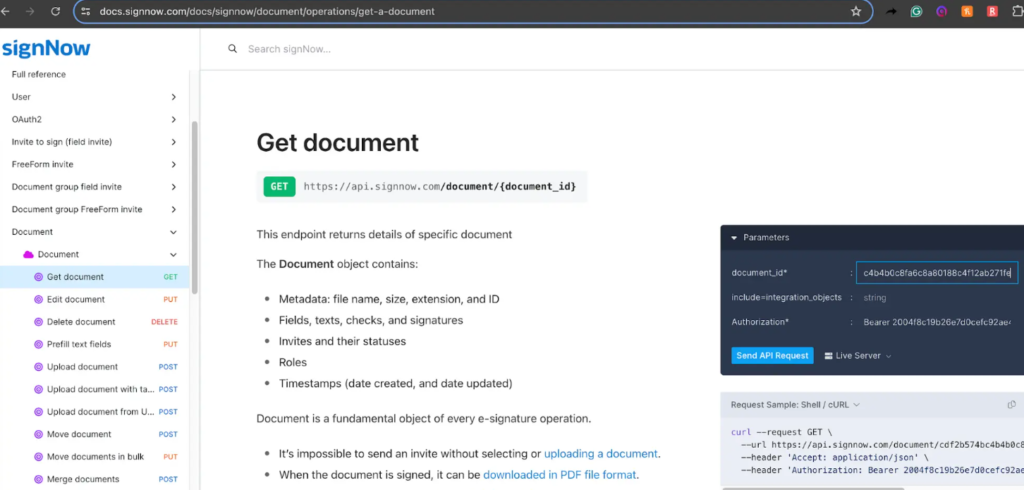
Security and Compliance Considerations for API-Based Signing
Security is a central concern when businesses connect software systems that handle agreements and confidential documents. A reliable eSignature workflow needs safeguards for both the documents themselves and the communication between connected applications.
signNow uses TLS 1.2/1.3 for data in transit and AES-256 encryption for data at rest. The platform also includes audit trails and two-factor authentication (2FA) as security measures supporting digital document workflows.
Compliance requirements vary depending on industry and location. signNow supports standards and regulations including ESIGN, UETA, HIPAA (BAA required), SOC 2 Type II, GDPR, 21 CFR Part 11, PCI DSS, ISO 27001, CCPA, and eIDAS.
For U.S. businesses, ESIGN and UETA are particularly important because they establish the legal foundation for electronic signatures in many commercial transactions. Organizations should still evaluate their specific legal, regulatory, and operational requirements before selecting a workflow.
Practical API Signature Use Cases Across Industries
Real Estate Document Management
Real estate professionals often manage high volumes of documents that require signatures from multiple parties. Purchase agreements, rental applications, disclosures, and inspection documents can involve several approval stages.
An eSignature API can help connect property management systems, customer platforms, or internal applications with digital signing workflows. This allows teams to prepare documents faster and maintain clearer records of completed agreements.
Healthcare Administrative Workflows
Healthcare organizations handle many forms requiring signatures, including patient agreements, authorization documents, and administrative records. Digital signing workflows can help reduce paperwork while supporting compliance requirements.
Because healthcare information is sensitive, organizations must carefully configure their systems and ensure appropriate agreements and safeguards are in place.
Finance and Legal Agreements
Financial institutions and legal departments frequently manage contracts, approvals, and agreements that require accurate tracking. API-based integrations can help route documents to the correct individuals and maintain records of signature activity.
Audit trails are particularly useful in these environments because they provide documentation about signing events, helping organizations review completed agreements when needed.
HR Employee Onboarding
Human resources teams often collect multiple documents during onboarding, including employment agreements, policies, and required forms. Connecting HR systems with an eSignature platform can create a smoother process for employees and administrators.
Instead of manually sending documents and monitoring completion, HR teams can create structured workflows that improve visibility into outstanding signatures.
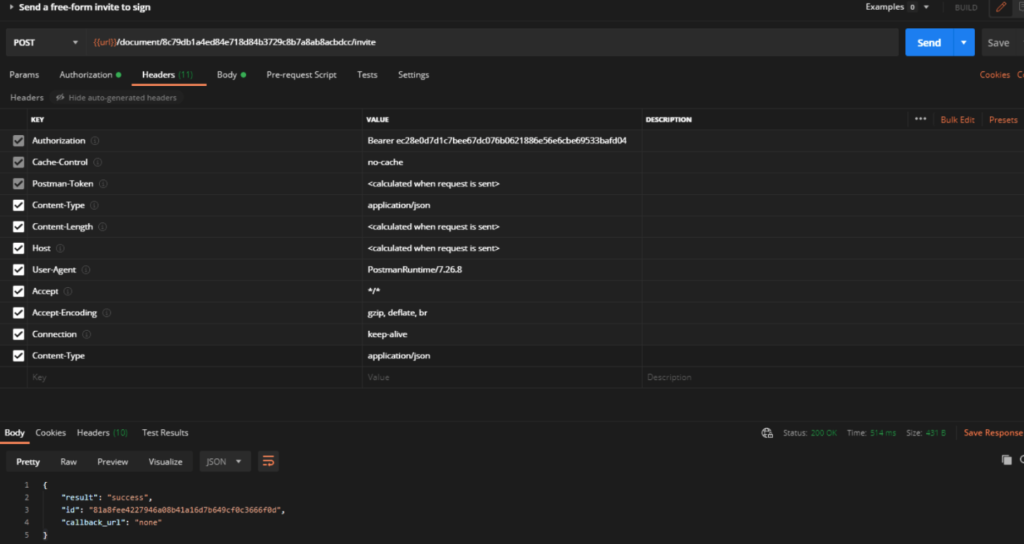
Measuring the Business Impact of Digital Signing
Organizations adopt eSignature workflows because they can reduce manual document handling and improve operational efficiency. According to signNow-provided figures, customers report an average 700% ROI in the first year, savings of up to 6 hours per week per employee, and an 80% document completion rate.
These outcomes depend on how organizations design their workflows, integrate systems, and encourage adoption. An API connection alone does not create efficiency; the greatest benefits come from identifying repetitive document processes and improving them through automation.
Pricing considerations also influence adoption. signNow lists Business pricing starting from $8 per user per month when billed annually. Paid plans include unlimited users and no envelope cap, which can be a consideration for organizations with frequent document signing needs.
Choosing an API-Based eSignature Approach
Before implementing an eSignature API, businesses should evaluate their current document processes, security requirements, and integration needs. Important questions include which documents require signatures, who needs to sign them, what systems already store relevant information, and how compliance requirements will be managed.
A successful implementation usually begins with a specific workflow rather than attempting to automate every document process at once. Teams can start with high-volume agreements, measure improvements, and expand digital signing across additional departments.
API signatures are one technical component of a broader electronic document strategy. When combined with secure authentication, compliance controls, and practical workflows, they help businesses create more connected and efficient signing experiences.
FAQ: Common Questions About API Signature and eSignature Workflows
What is an API signature used for?
An API signature helps verify that communication between software systems is authentic and secure. In digital document workflows, it can support trusted connections between applications that exchange information related to electronic signatures, documents, and automated processes.
How does an eSignature API work?
An eSignature API connects a business application with an electronic signature platform. It allows software systems to create documents, send them for signature, track completion, and manage signing workflows without requiring users to perform every step manually.
Are electronic signatures legally valid in the United States?
Electronic signatures are generally recognized under U.S. laws including the ESIGN Act and UETA. However, organizations should review their specific industry requirements and document types to confirm that their processes meet applicable legal standards.
Which industries benefit from eSignature APIs?
Industries including real estate, healthcare, finance, legal services, and human resources can benefit from eSignature APIs. These workflows are especially useful when organizations manage large numbers of documents requiring approvals or signatures.
What security features should businesses look for in an eSignature API?
Businesses should consider encryption, authentication controls, audit trails, and compliance support when evaluating eSignature solutions. Features such as TLS encryption, AES-256 encryption, and two-factor authentication can help protect digital document workflows.
Also Read
- When to Schedule Industrial Painting to Reduce Business Downtime
- How Blockchain Technology Works in Simple Terms
- When to Schedule Industrial Painting to Reduce Business Downtime