Deciding to fix a compromised smile or replace missing teeth is exciting. The thought of eating without discomfort, speaking clearly, and laughing without holding a hand over your mouth is life-changing. But because the end result is so appealing, it’s remarkably easy to fall into the trap of wanting it done yesterday.
Smile restoration isn’t like picking out a quick cosmetic fix; it’s a physiological transformation. Bone needs time to integrate, gums need room to heal, and your bite mechanics have to be balanced down to the millimeter. When you try to shortcut the timeline, you end up risking both your health and your wallet.
If you’re currently exploring permanent tooth replacement options, keep an eye out for these three red flags that suggest you might be moving too fast for your own good.
1. Skipping Comprehensive Diagnostic Scans and Bone Assessments
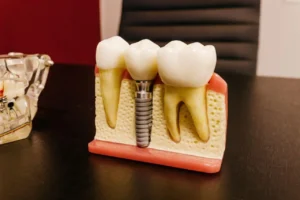
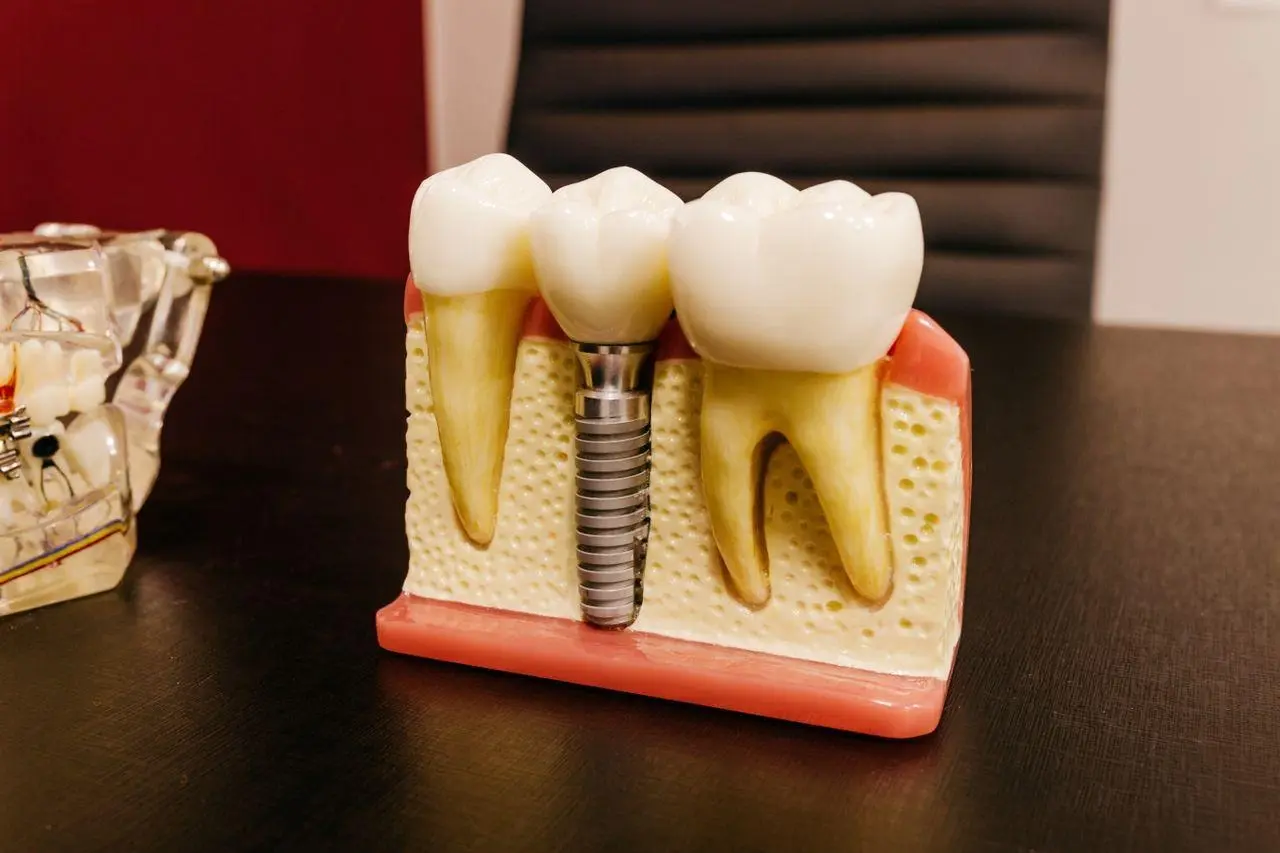
The foundation of any successful long-term restoration is what lies beneath the surface. You can’t just slap a crown on an anchor point and hope for the best if the underlying jawbone lacks density or structural volume.
A major warning sign of a rushed process is when a treatment plan gets drawn up without thorough 3D imaging, detailed digital X-rays, or a full evaluation of your oral health history. High-quality care relies on advanced diagnostic technology to map out nerve pathways and assess bone density before a single step is taken.
Whether you’re consulting with specialists for dental implants Sarnia clinics offer or visiting a provider in another region, experienced teams take the necessary time up front to analyze your unique anatomy. Skipping this meticulous planning stage almost guarantees complications down the road.
2. Prioritizing Speed and Cheap Upfront Quotes Over Qualified Care
We live in a world of instant gratification, so it’s tempting to choose whichever option promises a brand-new smile in a single afternoon at a rock-bottom price. While immediate-load options exist for specific cases, they aren’t a universal fix.
If a provider promises a lightning-fast turnaround without thoroughly explaining the risks or checking if your mouth can handle immediate pressure, pump the brakes. Bone fusion—a process known as osseointegration—takes time. Biology doesn’t care about convenience, and rushing the healing phase often leads to implant failure or premature wear.
Investing in a lasting smile means working with clinical teams who value patient comfort, clear communication, and tailored treatment plans over high-volume turnarounds. Patients seeking long-term stability often turn to established practices focused on personalized care, like the experienced team providing dental implants Brampton patients trust for comprehensive restorative work. Honest practitioners will tell you when your body needs more time to heal, even if it means extending the overall schedule.
3. Ignoring Existing Gum Health or Bite Alignment Issues
Placing a permanent restoration into an environment with active gum inflammation or uneven bite forces is like building a custom home on shifting mud. Yet, patients who are eager to finish their treatment often push to skip preliminary deep cleanings, periodontal care, or bite adjustments.
Your natural teeth and jaw joint work as an interconnected system. If your bite is misaligned, the artificial tooth will absorb uneven forces every time you chew. Over time, that unnatural stress can loosen the underlying post or crack the porcelain crown. Taking a few extra weeks to resolve soft tissue inflammation, manage minor infections, or correct your bite ensures that when your final teeth go in, they actually stay there for decades.
Restoring your smile is a marathon, not a sprint. Taking a breath, asking tough questions, and letting your body heal at its natural pace is the absolute best way to protect your investment.
Also READ-Mexico’s painful elimination by England at the 2026 World Cup