Every property investor knows the sinking feeling of walking into a rental unit after a tenant moves out, only to find scratched boards, stained carpets, or warped planks. Flooring takes the brunt of daily living, and replacing it between every lease cycle destroys your profit margins.
You cannot expect tenants to treat your unit with the exact same obsession you would, but you can set up smart, low-maintenance defenses that naturally minimize damage. Here are five practical ways to keep your rental floors looking fresh for years without micromanaging your renters.
1. Upgrade to Modern, Durable Materials
If you are still running carpet in dining areas or vulnerable real hardwood in high-traffic entryways, you are fighting a losing battle. The easiest way to protect your surfaces is to install materials designed specifically to withstand kids, pets, and spilled coffee.
Luxury synthetic planks have completely changed the game here. They offer the warm aesthetic of real timber but come equipped with a non-porous finish that resists scuffs, scratches, and moisture. When evaluating options like vinyl flooring Toronto suppliers often point out that modern luxury vinyl tiles and planks are far softer underfoot than traditional ceramic while remaining tough enough to handle everyday spills in kitchens or bathrooms. Swapping out high-maintenance materials for resilient alternatives eliminates half your stress right out of the gate.
2. Implement Strategic Entryway Solutions
Most floor damage isn’t caused by indoor living—it gets dragged in from the outside. Grit, tiny stones, and road salt act like sandpaper against floor finishes whenever shoes walk across the room.
To counter this, make it ridiculously easy for tenants to leave the dirt at the front door. Install heavy-duty, commercial-grade walk-off mats inside and outside every exterior entrance. If your unit features an entryway coat closet, lay down a fitted, waterproof rubber tray for boots and wet shoes. Adding built-in entry benches or shoe storage also subtly encourages a shoes-off culture without you having to write annoying nagging clauses into the lease agreement.
3. Add Protective Felt Pads to Furniture During Move-In
The single biggest spike in floor scratches happens during two specific days: move-in day and move-out day. Heavy couches, dining tables, and iron bed frames get dragged across open living spaces, leaving deep gouges in their wake.
A cheap, high-ROI trick is to buy bulk packs of heavy-duty felt furniture pads and hand them to new tenants when you pass over the keys. Even better, take twenty minutes during the initial walk-through to help pop them onto the legs of their heavy tables and sofas. It costs less than ten dollars, takes minimal effort, and creates goodwill while safeguarding your floor surface against accidental drags.
4. Address Plumbing Leaks and Moisture Instantly
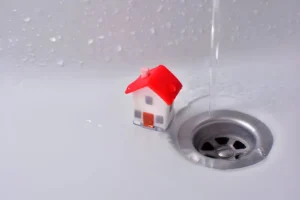
A superficial scratch is annoying, but standing water is catastrophic. Buckled subfloors, swollen planks, and hidden mold growth can turn a minor plumbing drip into a full subfloor replacement project.
Encourage tenants to report minor drips immediately by keeping maintenance request channels completely frictionless. Having a responsive team on call makes a massive difference here. Professional management groups like Residential Property Management Ottawa teams emphasize the importance of having an in-house contractor network to handle minor repairs swiftly before they escalate into major capital expenses. Treating your properties with high standards for upkeep and offering a 24-hour emergency response ensures a leaky kitchen sink trap gets fixed in hours rather than pooling under the floorboards for weeks.
5. Set Clear Guidelines in the Lease and Provide Care Instructions
Tenants rarely ruin floors out of malice; usually, it comes down to using the wrong cleaning products. Bleach, harsh abrasive scrubbers, or steam mops can strip protective topcoats and ruin plank sealants over time.
Include a quick, one-page floor care guide in your welcome packet. Outline exactly how to clean the specific materials in the home—usually just a damp microfiber mop and a pH-neutral cleaner. Clearly state in the lease agreement that area rugs or floor runners are required under heavy rolling desk chairs or in high-traffic hallways. When expectations are clear from day one, tenants are far more likely to keep your surfaces looking immaculate throughout their stay.
Also Read-Effective Communication in Real Estate Transactions