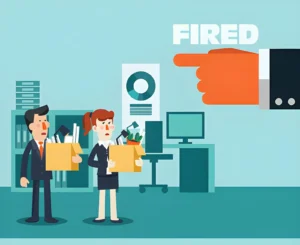
A denied construction accident claim can feel like a door slammed shut, but a denial is not always the end of the road. Claims can be rejected for missing records, disputed facts, paperwork problems, or questions about how an injury happened. The key is knowing what the denial says and what evidence supports the claim.
Construction accident legal representation may help bring those details together and address gaps that could weaken a case. A review can also reveal whether another party may have responsibility for the accident. If a claim has been denied, practical steps are worth considering before giving up.
Start by Finding the Reason for the Denial
A denied claim should not be treated as a simple yes or no decision without checking the details. The denial letter or insurance notice may explain why the claim was rejected. It could point to a disagreement about the accident, a lack of medical proof, a reporting issue, or a belief that the injury was not connected to work.
The reason matters because each problem calls for different evidence. A lawyer can examine the denial notice alongside accident reports, medical records, employment records, and other documents. This review may show whether information was overlooked, whether the facts were misunderstood, or whether important records were never included.
Strengthening the Evidence Behind the Claim
Evidence gives an injury claim something solid to stand on. Construction sites can involve many workers, machines, contractors, and changing conditions, so details can become difficult to sort out after an accident. Good records can help establish what happened and how the injury is connected to the work.
Useful evidence may include:
- Medical records that document the injury and treatment
- Accident reports prepared after the incident
- Photos or videos showing the work area or equipment
- Statements from people who saw the accident
- Safety records, inspection reports, or training documents
- Employment records connected to the worker’s duties
A legal professional can review these materials and identify gaps that may need attention. The goal is to make sure the evidence clearly supports the facts being claimed.
Challenging an Insurance Denial
A denied claim may have an appeal process, depending on the claim and the rules that apply. These processes can involve forms, records, hearings, or other steps. Missing a deadline can create another obstacle, so the denial notice should be reviewed carefully.
Legal assistance can organize the information and prepare a response to the reasons given for the denial. It can also help keep the claim focused on documented facts rather than assumptions. A response should address the reason for denial instead of repeating the original claim.
Looking Beyond a Workers’ Compensation Claim
Construction accidents can involve more than one responsible party. A worker may be employed by one company while another company controls part of the worksite. A property owner, subcontractor, general contractor, equipment maker, or another party may also have a role in an accident, depending on the facts.
Another party is not automatically responsible. Still, the situation may deserve review, especially if the denial raises questions about who caused the accident. A separate claim may sometimes be possible under applicable construction law, but that depends on the specific facts and legal rules involved.
Compensation Depends on the Type of Claim
The benefits available after a construction accident can vary based on the claim involved. Workers’ compensation may provide coverage for medical treatment and part of lost wages. A separate injury claim against another responsible party may involve different types of damages, depending on the circumstances.
Each claim is different, so one denial does not necessarily determine every legal option. Reviewing the accident, parties involved, evidence, and reason for denial can clarify what claims may exist.
Do Not Let Important Details Disappear
Time can affect an injury claim in practical ways. Witnesses may become harder to locate, records may be misplaced, and conditions at a construction site may change. Legal deadlines can also apply to appeals and other claims.
Keeping copies of medical records, accident reports, photographs, correspondence, and denial notices can help preserve important information. Professional help may also make it easier to review facts while records and evidence are still available.
A Denial Can Be Reviewed, Not Simply Accepted
A denied construction accident claim deserves a careful look before the matter is considered finished. Reviewing the reason for denial, gathering supporting evidence, checking for other responsible parties, and following the correct process can all matter to the outcome.
For injured workers dealing with a rejected claim, construction accident legal representation can provide support in reviewing the available facts and presenting the claim through the proper channels. The right approach depends on the accident, the evidence, and the laws that apply. A denial may close one path, but it does not always answer every question surrounding a construction accident.
Also Read
- How Blockchain Technology Works in Simple Terms
- What Do FS Mean in Text: Meaning, Usage, and Real-Life Examples