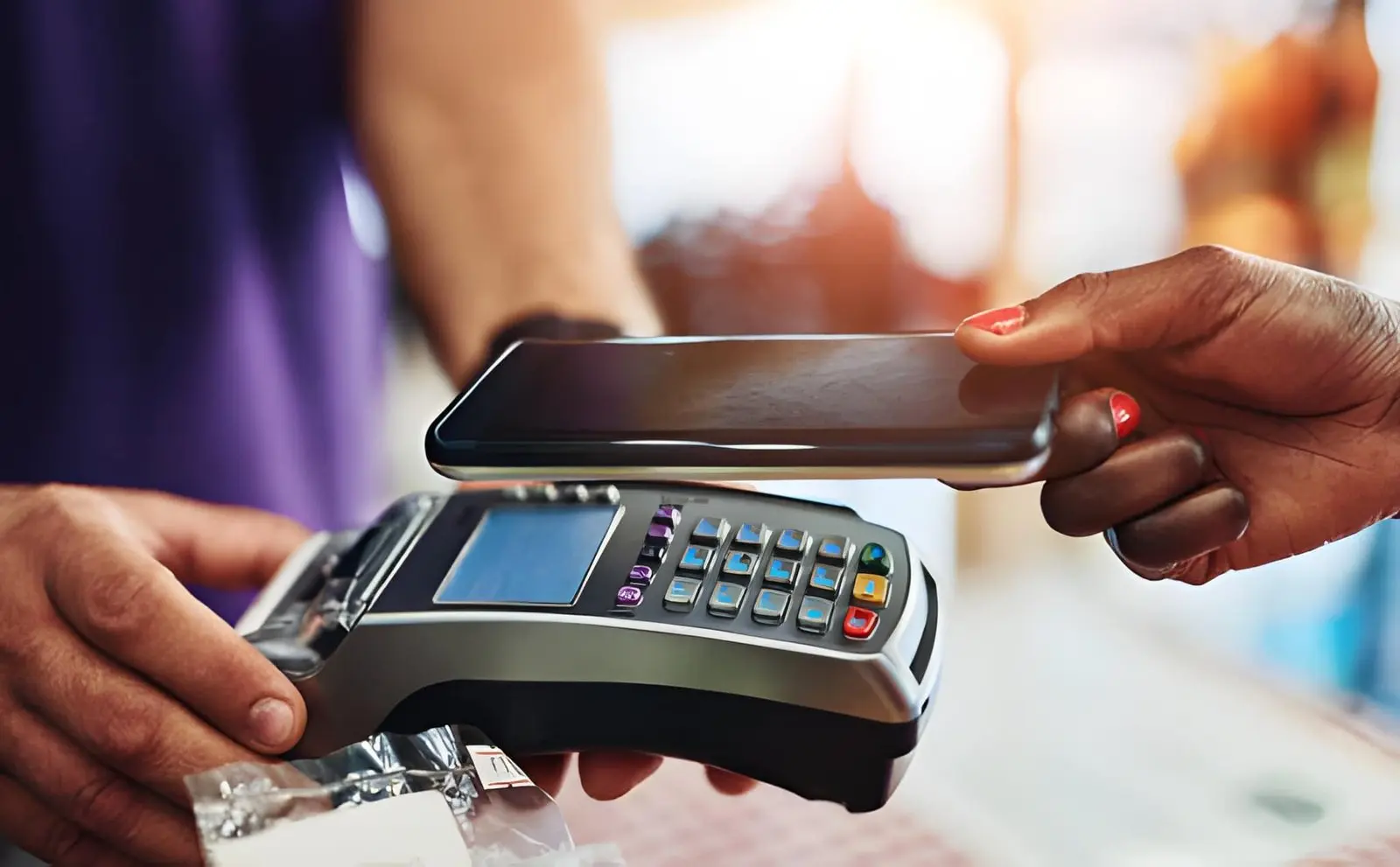
Retail payments are undergoing a transformation, but this transformation is not noisy or disruptive. Rather than their current systems being substituted in a radical manner, blockchain-based payment systems are quietly becoming an important aspect of retail.
Many are currently reaping the rewards of these systems without ever realizing that blockchain technology is at work. This growing integration of blockchain into real-world commerce has also increased attention around Bitcoin USD and other digital assets.
Retailers are constantly trying to balance two things at once: keeping costs under control while also making payments feel faster and smoother for customers. The problem is that older payment systems, especially for international transactions, can still be slow, expensive, and frustrating at times. That’s one reason why blockchain-based payment systems are slowly gaining attention.
Most retailers aren’t throwing away their existing systems completely—they’re simply investigating how to make the process work a little better behind the scenes.
Key Takeaways
- Blockchain-based payment rails are quietly improving retail payment systems behind the scenes.
- Retailers are exploring blockchain to reduce transaction costs, speed up settlements, and improve payment security.
- Stablecoins are helping businesses use blockchain payments without dealing with major price volatility.
- Blockchain technology is making cross-border retail transactions faster and more efficient.
- Most consumers may not notice the change since blockchain systems often work in the backend while payment experiences remain familiar.
- Growing real-world payment adoption continues to increase interest in Bitcoin USD and other digital assets.
What Blockchain Payment Rails Truly Mean
Bitcoin payment rail is the infrastructure that enables the movement of value through the use of blockchain technology. It is founded on efficiency and security, unlike Bitcoin (BTC), which is used solely for investments rather than payments. Transactions can occur through peer-to-peer or stable virtual currencies.
In retail, such rails can be integrated with payment processors, point-of-sale systems, or backend systems for payment settlement. Consumers, as well as retailers, will not have to work directly with blockchain or wallets. The technology will work in the background to improve how funds flow from customers to retailers.
As crypto payment adoption grows, many investors continue tracking the BTC price to evaluate broader market sentiment.
Why Retailers Are Adopting Them Quite Slowly
The retail business industry has thin profit margins, and it places greater emphasis on reliability than on innovation. Adoption of payment rails utilizing blockchain technology is currently being done cautiously by retailers because of the demands for demonstrated robustness and reliability of the technology.
Initially, adoption will occur through improvements to the back-end systems without necessarily bringing changes to the front-end systems.
Reducing transaction costs is a key factor. Settlements through blockchain technology mean fewer transaction middlemen, which slashes transaction costs. Faster settlement times are also a cash flow boost for retailers operating in different regions. Rather than waiting several days for a transaction to settle, merchants can access funds in real time.
Another consideration here is security. When it comes to blockchain transaction processing, the processes are verified in terms of cryptography. This makes amendments difficult, thereby decreasing fraud and chargeback occurrences. This works to the advantage of retailers as well as payment providers.
Stablecoins and Consumer Payments
One of the factors that have enabled blockchain adoption in the retail sector is the emergence of stablecoins. Stablecoins are virtual currencies that have been pegged to existing currencies. They provide price stability while also maintaining the efficiency of blockchain technology. There is no need for a retailer to be concerned about value volatility when making payments in stablecoins.
Stablecoins are being widely applied to backend settlement even where the customer is paying with cards or digital wallets. In such scenarios, the customer experience does not change, but the rails provided by the blockchain technology enable the transfer of funds through financial institutions.
This way, retailers can upgrade infrastructure without the need to train employees or confuse customers. The increasing use of blockchain payment systems has also contributed to ongoing discussions surrounding Bitcoin USD within the crypto industry.
Global Retailing And Cross-Border Transactions
Blockchain payment infrastructure has huge benefits for retail transactions across the globe. Cross-border transactions require currency exchange and correspondents. Blockchain technologies have simplified these procedures and offer a common settlement infrastructure.
E-commerce retailers or companies that cater to international clients can therefore take advantage of faster processing and lower foreign exchange charges. This opens cross-border expansion opportunities not only for large corporations but for small and medium-sized businesses as well.
Consumer Experience Stays Familiar
One aspect of blockchain implementation is that consumers do not have to change anything in this process. Customers still use cards or mobile payment options. There is a difference in how payment is done after the transaction process.
Also, in some situations, consumers can opt to pay using crypto or digital wallets, but that is optional. Even then, blockchain technology’s advantages can be present. Merchants can develop infrastructure without pushing it on their audience. As digital payment adoption expands, movements in the BTC price often reflect changing investor confidence in crypto utility.
The Future of Retail Payments
Blockchain-based payment rails will soon start being noticed by retail players as a feature of the infrastructure landscape, rather than being recognized as innovative by themselves.
Right now, such payments sound “new” or futuristic to many people. But over time, that’ll probably change. Most customers won’t really care what technology is running in the background as long as payments are fast, secure, and work properly.
For businesses, though, the benefits could be pretty noticeable. Faster settlements, fewer delays, and easier international transactions are things retailers constantly look for anyway. And for regular shoppers, the experience likely won’t feel dramatically different—things may just work a little smoother without them even realizing why.
What’s interesting is that this shift probably won’t happen with some huge dramatic moment. It’ll happen slowly until blockchain systems just become another normal part of digital payments. If that happens on a larger scale, coins like Bitcoin could eventually gain attention for actual usage rather than only trending because of the social media buzz.
FAQs
- What are blockchain-based payment rails?
Blockchain-based payment rails are systems that use blockchain technology to move money more efficiently between customers, retailers, and financial institutions. They help improve payment speed, security, and settlement times behind the scenes.
- Do customers need to use cryptocurrency to benefit from blockchain payments?
No, most consumers may not even realize blockchain technology is being used. Many blockchain payment systems operate in the backend while customers continue paying with regular cards, apps, or digital wallets.
- Can blockchain improve international retail transactions?
Yes, blockchain can make cross-border payments faster and more cost-efficient by reducing reliance on multiple intermediaries and currency conversion delays. This can help retailers serve global customers more smoothly.
Also Read
- Fibe – Instant Loan App for Quick Financial Support
- Cooling Tower Parts: A Complete Identification Guide
- Beyond Survival: How Strategic Funding Drives Business Growth, Innovation, and Longevity