Water possesses tremendous power to change the world around it over time. A gentle river can carve through solid rock after many seasons of steady flow. When unmanaged water encounters a residential home or a commercial building, it displays that same destructive force. Most property owners inspect roof shingles and seal windows before heavy storms arrive in the fall. However, many people completely forget about where rainwater travels once it hits the lawn.
Every building requires a stable, dry environment to remain safe and functional over decades. Good drainage channels heavy rainfall and melting snow far away from load-bearing walls, slabs, and footings. Poor drainage allows water to collect, pool, and soak into the surrounding earth. This trapped water attacks the building envelope from beneath the ground and from within structural cavities. It undermines foundations, rots hidden framing, grows hazardous mold, and ruins exterior finishes. Understanding how poor drainage compromises long-term performance helps property owners take proactive steps before minor leaks turn into structural disasters.
Subsurface Plumbing Line Clogs and Wastewater Backups
Drainage does not solely involve roof downspouts, surface grading, and yard runoff. It also encompasses the vital subsurface network of waste lines and sewer pipes that carry contaminated wastewater away from fixtures. When internal or municipal drainage pathways become blocked, a building faces immediate structural and sanitary hazards.
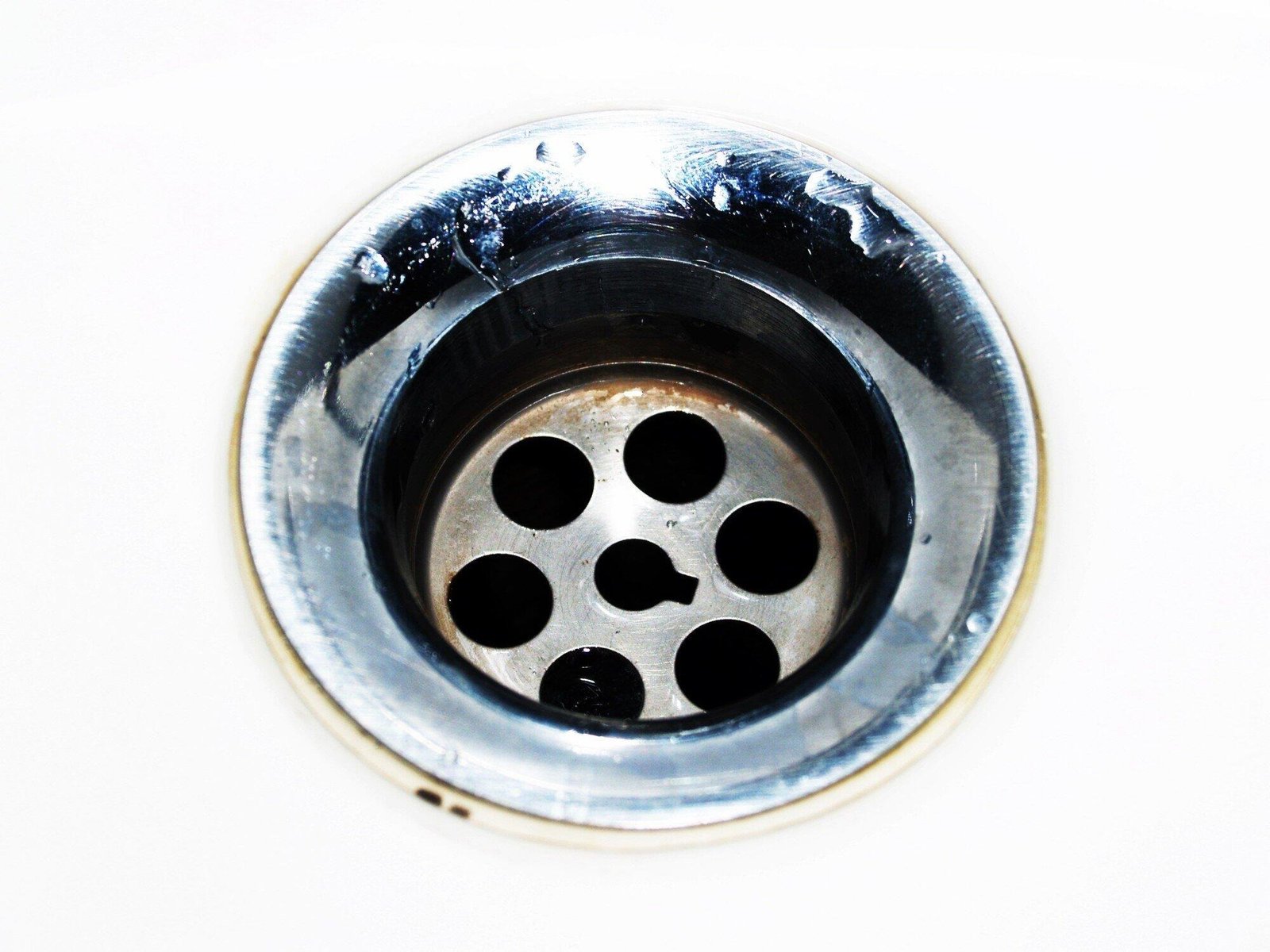
Fats, cooking grease, soap scum, and invasive tree roots slowly reduce the internal diameter of underground waste lines. When waste lines cannot discharge freely, wastewater stands inside pipes, accelerating internal corrosion and loosening mechanical joints. Scheduling regular Drain Cleaning keeps pipes clear of heavy build-up and prevents sudden sewer backups that can flood interior living areas with contaminated water.
- Grease blocks main sewer pipes.
- Tree roots invade underground conduits.
- Wastewater backs into living spaces.
- Corroded metal pipes burst suddenly.
- Raw sewage creates biohazard risks.
Soil Instability and Foundation Movement
Every solid building rests upon a concrete foundation, and that foundation relies entirely on the stability of the underlying soil. Soil is never an inert platform; its density and volume change whenever moisture levels fluctuate. When poor site drainage traps water around your building perimeter, the ground absorbs excess liquid and expands rapidly.
Clay soils present a massive structural risk because clay swells like a dense, wet sponge. This expansion pushes inward against basement walls and concrete footings with immense mechanical force. When dry summer weather returns, that same clay shrinks and pulls away from the masonry. This repetitive cycle of swelling and shrinking moves the earth beneath the footings, causing uneven settlement.
- Soil shifts under heavy moisture.
- Footings settle into soft ground.
- Concrete slabs crack down center.
- Uneven earth twists door frames.
- Walls lean from shifted dirt.
Structural Timber Decay and Framing Damage
Lumber serves as the primary structural skeleton for millions of residential homes and commercial offices. Cured wood offers outstanding structural strength, but it degrades quickly when exposed to ongoing moisture. When drainage systems fail, dampness rises from wet crawl spaces and seeps into concealed wall assemblies.
Wood rot occurs when wood-decay fungi feed on damp cellulose fibers inside structural framing. Fungal spores require continuous moisture levels above twenty percent to grow and multiply across floor joists. Once active, the fungi consume the structural polymers that give lumber its load-bearing capacity. Bottom sill plates sitting on damp concrete begin to crumble, while main floor joists lose their stiffness.
- Damp timber loses structural strength.
- Wood fungi spread across beams.
- Subfloors sag under regular weight.
- Support posts rot from underneath.
- Weakened walls risk sudden collapse.
Toxic Mold Blooms and Indoor Air Quality
Drainage failures do not just damage building materials; they also compromise the air that occupants breathe every single day. Mold spores float naturally through outdoor air, waiting for the right conditions to germinate. Poor site drainage supplies the continuous dampness, moderate temperatures, and organic materials that mold colonies need to flourish indoors.
When water pools in crawl spaces or seeps through basement slabs, humid air moves into occupied rooms through the stack effect. Mold quickly forms dense colonies behind baseboards, beneath wall-to-wall carpeting, and across gypsum wallboards. Toxic black mold produces dangerous mycotoxins that circulate throughout the heating and cooling ducts. These airborne toxins trigger respiratory issues, chronic morning coughs, skin irritation, and severe asthma flare-ups in vulnerable occupants.
- Toxic mold spreads through vents.
- Spores trigger severe asthma attacks.
- Occupants suffer chronic morning coughs.
- Musty odors foul indoor rooms.
- Remediating mold costs massive sums.
Degradation of Exterior Building Envelopes
A building depends on its exterior envelope to shield interior framing from rain, wind, and winter snow. However, that outer skin requires clear drainage paths to shed moisture quickly. When gutters overflow or surface runoff splashes against ground-level walls, exterior building materials break down long before their expected lifespan.
Brick and stone facades look indestructible, but mortar joints are porous and absorb water easily. When clogged gutters send sheets of storm runoff cascading down walls, the mortar joints soak up water like a sponge. During freezing winter conditions, this trapped moisture expands into ice and fractures the masonry joints. Bricks crack, mortar turns to dust, and whole sections of the facade begin to crumble.
- Water dissolves exterior brick mortar.
- Freezing ice fractures building masonry.
- Siding panels buckle and crack.
- Moisture stains ruin stucco walls.
- Exterior paint peels off prematurely.
Erosion of Walkways, Driveways, and Hardscapes
A building connects directly to external hardscape elements, including concrete walkways, asphalt driveways, and stone patios. The stability, appearance, and physical safety of these paved areas depend entirely on controlled stormwater runoff across the property.
When storm runoff rushes uncontrolled across a property, it washes away the supporting base material from beneath paved surfaces. Rushing water strips away compacted sand and crushed gravel, creating empty voids underground. Without solid base support beneath them, heavy concrete slabs snap under normal vehicle weight. Driveway slabs sink several inches, while sidewalk sections tilt into dangerous tripping edges.
- Flowing runoff washes out soil.
- Hidden voids form beneath concrete.
- Driveways crack under heavy vehicles.
- Walkways tilt into trip hazards.
- Retaining walls lean under pressure.
Vulnerabilities Across Flat Roofs and Gutters
Water intrusion often starts at the very top of a building structure. Low-pitch and flat commercial roofs rely on internal roof drains, scuppers, and gutter systems to move storm runoff away quickly. When these drainage channels collect leaves and debris, water accumulates into deep rooftop ponds.
Water weighs roughly eight pounds per gallon, and hundreds of gallons of ponding water place immense stress on structural roof rafters. Over time, standing water breaks down roofing adhesives, cracks waterproof membranes, and causes roof seams to separate. Once water penetrates the outer membrane, it saturates the roof insulation board and rots the underlying wooden decking.
- Standing water stresses roof trusses.
- Debris blocks vital roof drains.
- Waterproof seams tear under weight.
- Water leaks into top ceilings.
- Wet roof insulation ruins efficiency.
The Financial Fallout of Deferred Drainage Care
Neglecting drainage issues creates severe financial damage that extends far beyond the cost of a routine maintenance visit. A property with chronic water problems loses its market value and structural performance year after year.
Insurance providers frequently deny claims for water damage if adjusters determine that long-term drainage neglect caused the issue. Ongoing dampness drives up heating bills by degrading insulation efficiency and forcing HVAC systems to run overtime. Over several years, minor moisture issues compound into structural decay that destroys equity and drives away potential buyers.
- Insurance denies unmaintained water claims.
- Monthly utility expenses climb higher.
- Property market values fall sharply.
- Building inspectors uncover major flaws.
- Prospective buyers cancel purchase offers.
When selling a property, owners must legally disclose past water intrusion, foundation settlement, and major repairs. Prospective buyers hire independent building inspectors who easily spot water tide marks, uneven floors, and foundation cracks.
Practical Measures for Effective Stormwater Control
Protecting a building from moisture damage requires an active, multi-layered water management plan. Property owners should never wait until water pools inside basements before addressing obvious drainage flaws. Routine maintenance and smart landscaping keep a building dry and structurally sound through every season.
Start by evaluating the ground slope around the foundation walls. Soil should slope downward at least six inches over the first ten feet away from perimeter footings. Extend downspout discharge pipes several feet away from basement walls into safe drainage areas. Clean leaves from gutters every autumn, and install French drains or swales across low yard sections. Inspect internal waste lines regularly to ensure wastewater flows freely toward municipal mains.
- Grade landscape away from footings.
- Extend downspouts away from walls.
- Install French drains across yards.
- Inspect sump pumps every season.
- Clear main drains to flow.
Stopping the Sponge: Salvage Your Structure
Poor drainage is never a minor aesthetic flaw; it represents a serious threat to a building’s core structural integrity. Unmanaged water settles foundations, rots load-bearing wood framing, feeds toxic mold blooms, and fractures exterior concrete surfaces. When water pools against a structure, the building’s service life drops dramatically, and repair bills climb rapidly.
Protecting a building requires regular inspections, smart landscape grading, and routine drainage care. Check your gutters, watch how runoff flows during storms, and keep all drain pipes running freely. A dry building stays strong for many years. Taking care of water issues today protects your foundation, shields occupant health, and guarantees peak structural performance for decades to come.
Looking for more tips and ideas? We’ve got you covered. Check out some of our other posts now.
Read more: https://englishsharpmind.com/quick-weekend-projects-that-instantly-upgrade-a-homes-interior/
https://englishsharpmind.com/why-immediate-legal-help-is-critical-following-heavy-truck-crashes/
https://englishsharpmind.com/how-to-elevate-your-homes-fall-aesthetic-outdoors/