A driveway is more than a place to park your car. It also affects the look of your home, how water moves around your property, and how much maintenance you may need over time.
Choosing the right material means thinking about climate, traffic, cost, and appearance. Asphalt, concrete, and permeable surfaces each have different strengths. The best option depends on how you use the driveway and what conditions it must handle.
Continue reading to discover everything you need to know!
Compare Asphalt, Concrete, and Permeable Options
Asphalt is a common choice because it is usually quick to install and can be more affordable than some other materials. It has a smooth, dark look and works well for many homes.
Concrete is another popular option. It can last a long time and comes in different finishes, colors, and patterns. This gives homeowners more freedom when matching the driveway to the style of the house.
Permeable driveways are designed to let water pass through the surface. They may use gravel, special pavers, or other materials that help reduce standing water.
Each option has a different look, cost, and care routine. Before choosing, think about what matters most for your property.
Think About Your Local Climate
Climate can affect how long a driveway lasts. Some materials react better to heat, cold, rain, or freezing weather than others.
Asphalt can soften during very hot weather. This may cause marks or small ruts if heavy vehicles sit in the same place.
Concrete handles heat well, but cold weather can create problems if water enters cracks and freezes. Proper sealing and drainage can help lower this risk.
Homeowners comparing paving choices may review local services such as https://rstanleypaving.com/ when learning about materials suited to local weather and road conditions.
Match the Material to Daily Use
The way you use your driveway should guide your choice. A driveway that only holds one small car has different needs from one used by several vehicles.
Asphalt can handle regular traffic well, but it may need sealing and crack repair over time.
Concrete is strong and can support heavier vehicles. However, cracks may appear if the base is not prepared correctly or if the ground shifts.
Permeable driveways can also support vehicles, but they may need regular cleaning. Dirt and leaves can block the small spaces that allow water to pass through.
Think about:
- Number of vehicles
- Vehicle weight
- Daily traffic
- Parking habits
- Drainage needs
Consider Appearance and Maintenance
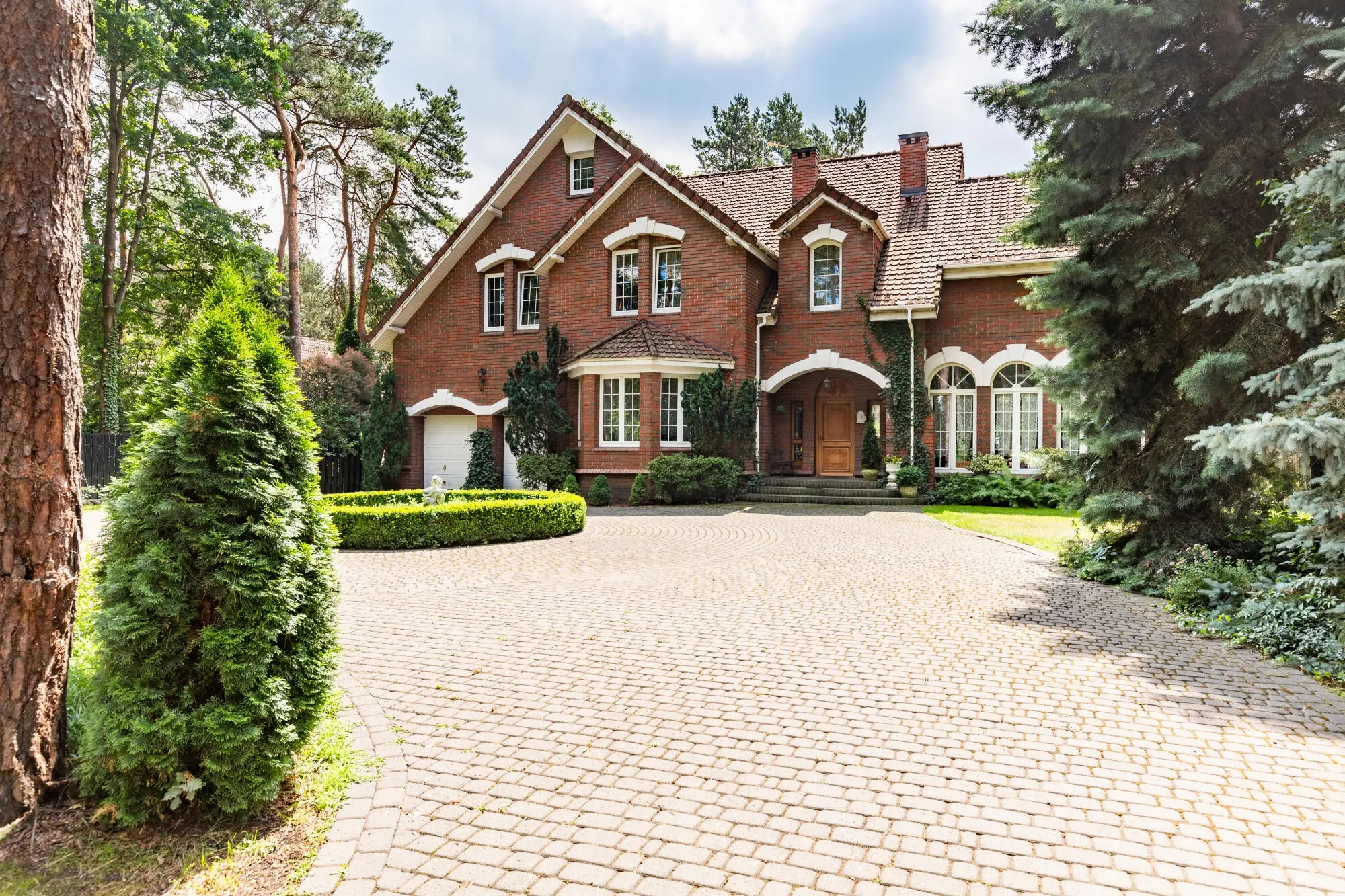
Curb appeal is another important part of the decision. The driveway should work well with the design of your home.
Asphalt gives a simple, clean look. It may fade over time and may need a new seal coat to keep the surface looking fresh.
Concrete offers more design choices. It can be stamped, colored, or finished in different ways. This can make it easier to match walkways, patios, or other outdoor areas. Permeable surfaces can create a natural look, especially when gravel or decorative pavers are used.
Choose a Driveway That Fits Your Home
The right driveway material depends on your climate, budget, traffic, and design goals. Asphalt, concrete, and permeable surfaces can all work well when used in the right setting.
Compare the cost of installation with the long-term care each material needs. Also think about drainage and how the driveway will look next to your home.
Talk with a local paving professional before making a final decision. A careful choice can give you a driveway that looks good, works well, and lasts for many years.
Also Read-How to Stage Your Home for a Quick Sale