Why the First Quote May Not Tell the Whole Story
Once a tree is removed, the remaining stump can look like a simple finishing task. In practice, roots may extend far beyond the visible wood, the ground may be rocky or compacted, and equipment may have limited room to operate. That is why a reliable stump removal cost estimate should account for the entire work area, not just the stump’s diameter. Pricing in 2026 varies substantially by project and location. Many routine jobs fall within the low hundreds, while large stumps, difficult access, deep roots, and restoration work can push the total higher. Local labor rates, travel distance, disposal fees, and the amount of cleanup included all matter.
The Main Factors That Shape Stump Removal Prices
Stump Diameter
Diameter is usually the easiest starting point for an estimate. Measure across the stump at its widest point near ground level. Small stumps may be quick to grind, but many contractors charge a minimum service fee to cover transportation, setup, and equipment time. Medium and large stumps generally require more passes with a grinder or more excavation during extraction.
Root Spread and Tree Type
The visible stump is only part of the job. Broad, deep, or tangled roots can slow excavation and complicate future landscaping. Dense hardwoods, including many mature oak varieties, often take longer to cut or grind than softer wood. A contractor may also charge more when large surface roots must be removed beyond the main stump.
Soil and Ground Conditions
Clay, compacted soil, rocks, wet ground, and hidden construction debris can affect both speed and equipment choice. Grinding can be slowed by stones around the stump, while full extraction becomes more demanding when the soil is heavy or saturated. Sloped sites may also require extra planning to prevent lawn damage or equipment instability.
Access to the Work Area
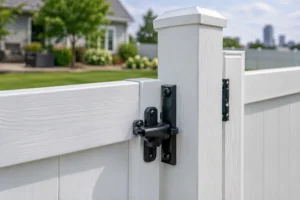
A stump in an open front yard is normally easier to handle than one behind a narrow gate or beside a fence, pool, wall, driveway, or garden bed. Steps, soft turf, tight turns, and nearby utility lines can limit machine access and increase labor.
Comparing the Main Removal Methods
Stump Grinding
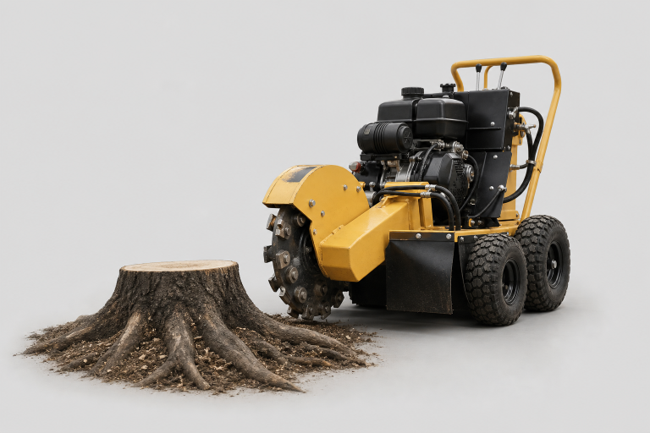
Grinding uses a specialized machine to cut the visible stump below soil level. It is often the practical choice for restoring a lawn, covering the area with mulch, or creating a basic planting bed. Most roots remain underground and slowly decay, allowing the site to settle slightly over time. Grinding also produces wood chips, which can be spread on-site or hauled away.
Full Stump Extraction
Extraction removes the stump and a larger portion of the root system through digging, cutting, and lifting. It can be a better option when the area will become a driveway, patio, foundation area, or location for a new tree. However, it is usually more disruptive and may leave a larger hole that needs soil, grading, and lawn repair.
Natural Decay and Chemical Options
Allowing a stump to decay naturally, or using a product intended to speed decomposition, may work in an out-of-the-way area where time is not a concern. These methods can take years and may not address tripping hazards, insects, mowing problems, or plans for immediate landscaping.
Extra Charges That Can Appear on a Quote
The removal price is not always the full project price. Ask whether the estimate includes the work needed to leave the area usable afterward. Possible add-ons include:
- Wood chip hauling or spreading
- Removal of roots outside the main stump
- Topsoil, fill dirt, grading, grass seed, or sod
- Travel, equipment setup, or a small job minimum
- Work on slopes, in tight spaces, or near structures
- Permit requirements or private irrigation-line repairs
How to Compare Stump Removal Quotes
- Measure the stump and take clear photos showing access routes and nearby obstacles.
- Confirm whether the quote is for grinding, full extraction, or another method.
- Ask how far below grade the stump will be ground or how much root material will be removed.
- Clarify who handles chips, roots, fill soil, and final cleanup.
- Check whether taxes, travel, hauling, and restoration are included.
- Request proof of insurance when heavy equipment will be used.
- Get the complete scope and final price in writing before work starts.
DIY or Professional Work?
When DIY May Be Reasonable
Hand removal may be manageable for a small, shallow stump in open ground, especially when roots are limited, and the site is far from utilities or structures. Even then, it requires patience, physical effort, sharp tools, gloves, eye protection, and a clear work zone. Burning a stump can create fire and local code concerns, so it is rarely a simple shortcut.
When Professional Equipment Makes More Sense
Professional help is usually the safer choice for large stumps, dense roots, rocky soil, slopes, narrow access, or areas near buildings, fences, septic systems, irrigation, and buried utilities. Renting a grinder may seem economical, but improper operation can damage property or cause serious injury.
How to Prepare the Yard Before Work Begins
- Move furniture, toys, hoses, planters, and decorations away from the work zone.
- Keep children and pets indoors or well away from equipment.
- Point out irrigation lines, drains, wells, septic components, and hidden landscaping features.
- Clear a practical path through gates or along the side yard for machinery.
- Decide whether chips should remain as mulch or be removed.
What to Do After the Stump Is Gone
After removal, clear excess wood chips from areas intended for grass or new plants. Fill the hole with suitable soil rather than burying large pieces of wood, then grade the surface so water drains properly. Watch for settling after rain, repair turf once the soil is stable, and avoid planting a new tree directly in the old root zone when possible.
Common Questions About Stump Removal Prices
Does a Bigger Stump Always Cost More?
Usually, but not always. Size is important, yet access, soil, roots, cleanup, and nearby obstacles can make a smaller stump more difficult to work with than a larger one in open ground.
Is Grinding Cheaper Than Full Removal?
Grinding is often less expensive because it is faster and causes less excavation. Full removal may be worth the added cost when construction, paving, or replanting requires more root clearance.
Can Several Stumps Be Removed During One Visit?
Often, yes. Combining work can reduce repeated travel and setup costs, but request a written multi-stump quote that identifies the price for every stump and the cleanup plan.
Final Checklist Before Booking
- Measure the stump and identify the planned use of the space.
- Choose grinding or extraction based on that future use.
- Identify utilities, irrigation, access limits, and property risks.
- Confirm whether cleanup and soil replacement are included.
- Make sure the final scope, price, and responsibilities are written down.
Conclusion
Stump removal pricing depends on the whole site, not only the stump itself. By considering factors such as stump size, root system, accessibility, removal method, cleanup requirements, and any needed yard restoration before booking, homeowners can compare quotes more fairly and avoid unexpected charges. A complete assessment also helps determine the most practical approach for the property, whether the goal is replanting, expanding usable space, improving curb appeal, or preventing future maintenance issues. Understanding what is included in the service agreement can make the process smoother and ensure the final result meets expectations. With proper planning and a clear estimate, stump removal can create a safer, cleaner, and more functional outdoor area.
Read more: Planning a Backyard Deck for Comfort, Function, and Everyday Use
How to Plan a Stronger, Safer Waterfront Shoreline
7 Enterprise Hiring Partners That Create A Connected Recruitment Ecosystem