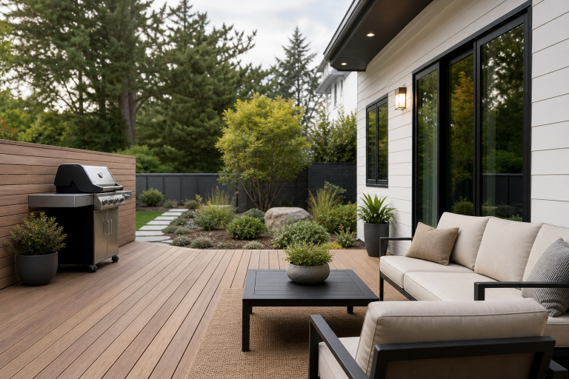
A backyard deck should do more than add square footage to a home. It should make everyday routines easier, whether that means carrying dinner outside, watching children play, hosting friends, or enjoying a quiet morning. A thoughtful plan can turn an underused yard into a radically improved outdoor living area that feels connected to the rest of the property. Before choosing board colors, railing styles, or built-in features, start with function. The best deck is not necessarily the largest or most elaborate option. It is the one that supports the people who use it, handles weather well, and remains manageable to maintain over time.
Start With How the Space Will Be Used
Picture a normal week, not just a holiday gathering. Consider how many people may use the deck at once and whether it needs to accommodate outdoor dining, grilling, lounging, gardening, play, or pets. Also, consider whether furniture will remain outdoors throughout the season and whether children, older adults, or guests with mobility concerns will regularly use the space. A compact deck with enough room to pull out dining chairs and walk around the grill can be more useful than a large platform with awkward circulation. Measure the furniture you already own or expect to buy. Leave room for doors to swing open, people to pass behind chairs, and a clear route from the house to the yard.
Choose the Best Location
Placement shapes comfort as much as size. Watch the yard at different times of day to understand sun exposure, shade, prevailing wind, privacy, and the views worth preserving. A deck near the kitchen may make meals and cleanup easier, while a seating area placed farther from a busy door may feel more relaxing. Look closely at trees, overhead utilities, property lines, slopes, existing patios, and drainage routes. Door placement matters because it naturally determines where people enter and exit. Before finalizing a location, verify zoning setbacks, homeowner association requirements, permits, and inspection rules with the local authority that governs your property.
Plan a Layout That Feels Natural
Simple rectangular decks are often the most cost-effective option, and they make furniture placement straightforward. L-shaped decks can create a natural separation between cooking and seating. Wraparound designs can connect several doors or capture views from multiple sides of a home. Multi-level decks may suit sloped yards or households that want distinct activity areas, but they add stairs, framing, and complexity.
Create Clear Activity Zones
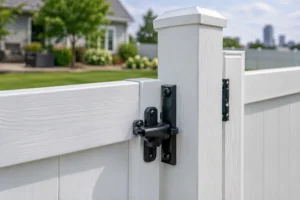
Divide the space according to how it will be used. Put dining near the kitchen, locate the grill where smoke and heat will not crowd the table, and reserve a quieter corner for chairs or a small fire feature, if local rules allow. For example, a family may place the grill near the back door for easy food prep while positioning the main seating area farther from traffic and cooking smoke. Stairs, gates, and walkways deserve the same attention as the deck surface. People should be able to move from the house to the yard without cutting through a dining area or squeezing past railings. A gate may be important where young children or pets need an added boundary.
Build Safety Into the Plan
Structural details should never be treated as finishing touches. Strong footings, properly supported framing, appropriate connectors, secure fasteners, stable stairs, and sturdy railings all work together to make a deck dependable. Requirements can vary based on location, deck height, property type, and the version of the local building code in effect, so confirm the applicable permit and inspection process before construction begins. Regular checks remain important after the project is complete. The deck safety guidance published by the North American Deck and Railing Association reinforces the value of ongoing attention to outdoor structures rather than waiting for an obvious failure.
Warning Signs to Address Promptly
- Soft, split, or crumbling wood.
- Loose railings, popped fasteners, or rusting metal connectors.
- Wobbly stairs or noticeable movement underfoot.
- Water pooling around posts or near the home.
- Visible sagging, separation, or damage where the deck meets the house.
Compare Decking Materials
Pressure-treated lumber is widely used because it is typically budget-friendly and repairable, but it needs regular cleaning and periodic sealing or staining. Cedar offers a natural appearance and can be lighter in weight, though it requires weather protection and may cost more than basic treated wood. Composite decking typically reduces routine staining and sealing, while offering consistent color options, though its upfront cost can be higher. PVC decking is another low-maintenance choice that resists moisture, but it can also carry a premium price and may have a different look or feel from wood. Review manufacturer instructions for approved cleaners, board spacing, fasteners, ventilation, and installation methods before selecting a product.
Plan for Water, Drainage, and Weather
Water management protects both the deck and the home. Poor grading, missing flashing, trapped debris, and water that collects near posts can contribute to staining, rot, erosion, and foundation-related concerns. Plan for water to move away from doors, stairs, low areas of the yard, and the home’s foundation. Raised decks require attention below the surface as well. Consider whether the area underneath will remain open, serve as storage, or require a drainage system to direct runoff. Seasonal conditions matter too. Snow, ice, heavy rain, strong wind, and intense sun can all influence material selection, railing choices, shade structures, and maintenance needs. The City of Virginia Beach advises homeowners to have decks, porches, and balconies inspected before periods of heavy seasonal use, a sensible habit for outdoor structures in any climate.
Set a Realistic Budget and Timeline
Total square footage is only one cost factor. Deck height, material choice, stairs, railings, footings, site access, drainage work, lighting, built-in seating, and shade features can all affect the final price. Request written estimates that clearly state what is included, what is excluded, and which selections are allowances rather than fixed costs. Leave room in the budget for surprises, particularly when replacing an older structure. Hidden rot, damaged siding, weak framing, or drainage corrections may not be visible until demolition begins. Permit review times, weather, material availability, and site conditions can also affect the construction schedule.
Know What to Ask a Deck Professional
- Are permits, drawings, and inspections required?
- How will the deck connect to the home and manage water?
- Which decking, fasteners, railings, and framing materials are included?
- Who is responsible for protecting landscaping and cleaning the site?
- What happens if hidden damage or unsuitable conditions are discovered?
- What maintenance will the finished deck require?
Use a Pre-Construction Checklist
- Confirm the deck’s main purpose and expected number of users.
- Measure furniture, grills, doors, stairs, and walking paths.
- Review sunlight, shade, wind, privacy, views, and drainage.
- Check property lines, permits, local codes, and restrictions.
- Choose materials based on budget, appearance, and upkeep needs.
- Plan railings, lighting, storage, gates, and future maintenance access.
Make the Deck Fit Real Life
A successful deck is defined by more than its size or style. It should support daily routines, allow people to move safely, direct water away from vulnerable areas, and remain practical to care for year after year. Planning these details early helps prevent expensive changes later and creates an outdoor space that feels useful from the first day.
Conclusion
A well-planned backyard deck should feel like a natural extension of the home rather than simply an added platform in the yard. By starting with how the space will actually be used, homeowners can create practical areas for dining, grilling, relaxing, entertaining, and everyday family activities without wasting space on rarely used features. Careful attention to the property’s layout, drainage, sunlight, privacy, materials, structural requirements, and local regulations can also prevent costly problems during and after construction. A realistic budget and clear agreement with the deck professional provide additional confidence throughout the project. Ultimately, the most valuable deck is one that balances comfort, safety, appearance, durability, and maintenance while fitting naturally into the home and the household’s outdoor living.
Read more: How to Plan a Stronger, Safer Waterfront Shoreline
7 Enterprise Hiring Partners That Create A Connected Recruitment Ecosystem
Jenkins Eye Care Can Help Patients Seeking EVO ICL Lens Correction