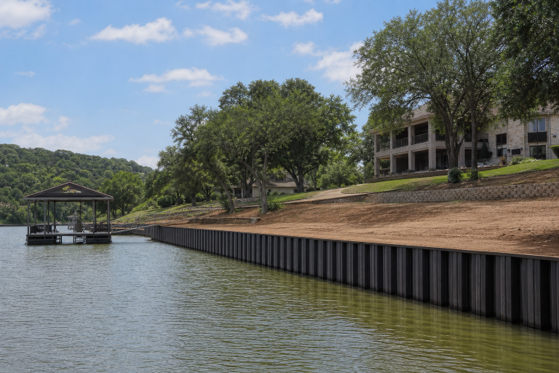
Shoreline erosion rarely begins as an obvious emergency. A small void beneath a wall, a soft patch of ground, muddy water at the bank, or a cracked cap can signal that water and soil are moving where they should not. For Central Texas owners who need a site-specific solution, seawall construction company Lakeside Structures provides seawall, bulkhead, and waterfront construction services with custom design, in-house permitting coordination, and experience across Lake Travis, Lake Austin, New Braunfels, Lake McQueeney, Lake Dunlap, and the Guadalupe River region.
A durable shoreline plan starts with understanding the cause of damage, not simply choosing the material that looks best. Water movement, soil pressure, changing lake levels, drainage, access limitations, and nearby structures all influence the right approach.
Early Signs of Shoreline Trouble
Damage often develops gradually, especially where rainfall, wakes, or seasonal water-level changes repeatedly affect the bank. Watch for leaning or bowing wall sections, separation between panels, exposed anchors, cracks in concrete, missing soil, and wet spots behind the shoreline edge. Photographs change after storms or unusually high water, so you can identify whether the condition is growing.
Do not assume loose soil, decorative rock, or a patch of concrete will solve the problem. Those measures can hide the symptoms while the washout continues below the surface. A void may be caused by failed drainage, erosion at the toe of the wall, settlement, or structural movement that requires a more complete repair.
What a Proper Site Review Should Cover
The essential question is simple: what forces must this shoreline structure resist? The answer may include soil pressure from the property side, water pressure from the shoreline side, wave and wake action, erosion below the structure, runoff from higher ground, and loading from nearby docks, patios, utilities, or trees.
- Measure the shoreline length, bank height, and approximate water depth.
- Document existing damage, repairs, drainage outlets, and property improvements.
- Identify equipment access, staging space, and constraints at the water’s edge.
- Review soil conditions and areas where water collects after rain.
- Consider how docks, walkways, boat traffic, and changing water levels affect the design.
Comparing Shoreline Protection Options
Steel Sheet Piling
Steel sheet piling can be a strong choice for demanding sites with significant soil loads, deep water, recurring wake exposure, or high banks. Its performance depends on proper embedment depth, connection details, corrosion protection, anchoring, and a drainage system that relieves pressure behind the wall.
Vinyl and Composite Systems
Vinyl and composite systems offer corrosion resistance and a clean appearance that can suit many residential waterfront properties. They still require proper reinforcement, anchoring, backfill, and installation for the specific soil and water conditions. Material alone does not determine structural performance.
Concrete Walls and Panels
Concrete can create a durable, finished shoreline edge when it is engineered and installed correctly. However, concrete is not maintenance-free. Cracks, settlement, undercutting, and blocked drainage can shorten the useful life of an otherwise substantial wall.
Rock, Revetments, and Nature-Based Features
Sloped rock protection, planted banks, fiber materials, and other nature-based features may work where there is room for a gradual shoreline transition. These approaches can also complement structural protection. Because wetlands can support water quality, wildlife habitat, floodwater storage, and surface-water flow, projects near sensitive areas should account for wetlands protection and restoration early in the planning process.
Why Drainage Belongs in the Design
Water trapped behind a wall creates pressure, moves soil, and can force its way through gaps. That means drainage is not an optional finishing detail. Depending on the site, a plan may include drainage stone, filter fabric, weep holes, perforated pipe, swales, and protected discharge points.
- Direct roof and yard runoff away from the shoreline when practical.
- Keep drain outlets clear of leaves, roots, mud, and debris.
- Use filter materials that keep backfill from washing through outlets.
- Inspect the area after heavy rainfall for wet spots, settlement, or escaping soil.
Permits, Rules, and Project Planning
Waterfront work can involve local, state, and federal review, particularly if construction changes the shoreline, disturbs the lakebed, affects wetlands, or places fill in regulated waters. The regulatory program and permits process administered by the U.S. Army Corps of Engineers is one reason property owners should confirm requirements before scheduling equipment or ordering materials.
Ask who will prepare drawings, submit applications, coordinate inspections, and respond to agency questions. Also, verify setback rules, height limits, allowed materials, utility locations, access restrictions, and whether a repair is treated differently from a complete replacement.
A Practical Construction Process
- Consultation: Define the problem, goals, budget, and access constraints.
- Field assessment: Review soil, water exposure, drainage, existing structures, and site conditions.
- Design and permitting: Select materials, reinforcement, drainage details, and the approval path.
- Construction: Prepare the site, install the structural system, complete drainage and backfill, then finish caps or shoreline features.
- Final walkthrough: Review completed work, cleanup, warranty information, and maintenance needs.
Maintenance After Construction
A shoreline system is a long-term asset, not a one-time purchase. Inspect it seasonally and after severe storms, flooding, or unusual water-level swings. Look for new cracks, gaps, leaning sections, exposed backfill, missing rock, clogged drains, corrosion, and soil loss beneath or behind the wall. Keep dated photos and contact a qualified marine construction professional when damage appears to be progressing.
Final Planning Checklist
Before approving shoreline work, make sure you understand the source of erosion, the forces acting on the site, the proposed material and structural details, the drainage plan, permit responsibilities, construction timeline, and maintenance expectations. The strongest waterfront projects fit the property’s actual conditions, protect usable land, manage water responsibly, and remain practical to inspect for years to come.
Reda more: 7 Enterprise Hiring Partners That Create A Connected Recruitment Ecosystem
Jenkins Eye Care Can Help Patients Seeking EVO ICL Lens Correction
Choosing Healthcare Providers Based on Individual Care Preferences