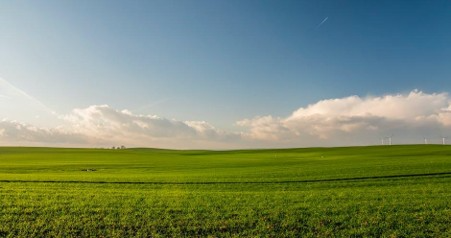
What looks like a peaceful stretch of open land can hide costly problems beneath the grass? Buying land in a rural area takes more than finding a view you love or a price that fits your budget. You need to know what you can build, how you will reach the site, and whether basic services are close by.
A careful review can help you avoid delays, surprise costs, and limits on your plans. Read on to learn the key questions to ask, the records to check, and the steps that can help you choose rural acreage with confidence before signing.
Start By Asking What You Can Use The Land For
Before you make an offer, ask what you may legally do on the land. Your plans may include building a home, raising animals, growing crops, or holding the parcel as an investment. The answer can affect both its value and its fit for your needs.
Ask the local planning office about zoning laws and rules for the parcel. Some areas limit home size, building sites, farm use, or the number of animals you may keep. Also check deed limits and plans for nearby roads or new development.
Check Access Before You Fall In Love With The View
Ask how you will reach the acreage in every season. A dirt road may be easy to use in summer but muddy or blocked after heavy rain or snow. Find out who owns the road and who pays to repair, grade, or clear it.
Confirm that the parcel has legal access from a public road. A path across a neighbor’s land does not always give you the right to use it. Ask for recorded access easements, and check whether bridges, gates, steep slopes, or weak roads could limit trucks and emergency vehicles.
Find Out Which Utilities Are Ready And Which Are Not
Rural land may not have the services found in town. Ask whether power, internet, phone service, and public water reach the property line. If they do not, get written estimates for bringing them to the site.
A well may be needed where public water is not available. Ask about water quality, supply, permits, and testing, and find out whether a safe well site is possible. If there is no public sewer, ask whether the soil can support a septic system and whether permits or past tests are on file.
Ask What The Soil And Land Can Support
The look of raw acreage does not tell you everything about its condition. Low areas may hold water, slopes may be hard to build on, and some soils may not support roads or foundations. Walk the land after rain and note streams, wet spots, rocks, and steep ground.
Ask whether soil tests, drainage reports, or environmental reviews have been done. If the land was used for farming or industry, ask about past chemical use or buried waste. Also consider the cost of clearing brush, fixing fences, controlling invasive plants, and managing drainage.
Make A Property Survey Part Of Your Review
A current property survey can show the true size and shape of the parcel. It may mark boundary lines, roads, easements, and nearby features that affect how you can use the land. Ask whether the seller has a recent survey and who prepared it.
Do not assume fences, tree lines, or old markers show the legal boundary. Compare the survey with the deed and county records, and look for shared driveways or utility rights. If the survey is missing or old, hire a licensed surveyor before closing to reduce the risk of a boundary dispute.
Ask whether the parcel has been part of a larger tract or split from one. Past divisions can affect access, permits, and future sales. Confirm that the parcel has its own legal description and tax record.
Understand The Full Cost And Your Financing Choices
The asking price is only one part of the cost of rural land. Add likely expenses for surveys, tests, legal help, permits, road work, utilities, taxes, and insurance. Ask local contractors for estimates instead of guessing what each job may cost.
Financing land can differ from a home loan. Some lenders ask for a larger down payment, a shorter term, or stronger credit because vacant land may be harder to sell. Compare rates, fees, payment dates, and early payment rules, and keep savings for work after the sale.
Review The Seller And The Records With Care
Ask why the owner is selling and how long the land has been listed. Request tax records, past permits, access papers, and details about leases or farm agreements. The seller’s answers can offer context, but they should not replace your own checks.
Check whether a tenant, neighbor, utility company, or public group has rights to use the land. Have a local lawyer review the deed, title report, and contract before you agree to buy. Compare nearby sales with similar size, access, terrain, services, and allowed uses to judge the asking price.
Compare Parcels Before You Make An Offer
Try to visit more than one property before you decide. A lower price may come with poor access, costly utility work, or limits on building. A higher price may be better value if the land is ready for your plans.
Use the same questions for each parcel and note what still needs proof. If you are searching in the Midwest, review Midwest Land Management listings to see parcels offered for sale. Treat each listing as a starting point, then confirm key facts with local offices and experts.
Buy With Clear Answers And A Practical Plan
Buying land can be a strong step when the property fits your goals and budget. Before you sign, confirm the rules, legal access, utility options, soil limits, and boundaries. Review the title and costs with experts, and make sure needed checks are part of the purchase terms.
Take your time if an answer is unclear or a record is missing. A careful review can protect your plans and savings. With the right facts, you can choose rural acreage with less risk.
Did this guide help you? Browse the rest of this section for more advice on a variety of topics.
Read more: https://englishsharpmind.com/consider-these-7-things-before-booking-your-next-travel-stay/
https://englishsharpmind.com/solar-wind-or-both-how-i-sorted-out-backup-power-at-home/
https://englishsharpmind.com/how-to-elevate-your-homes-fall-aesthetic-outdoors/