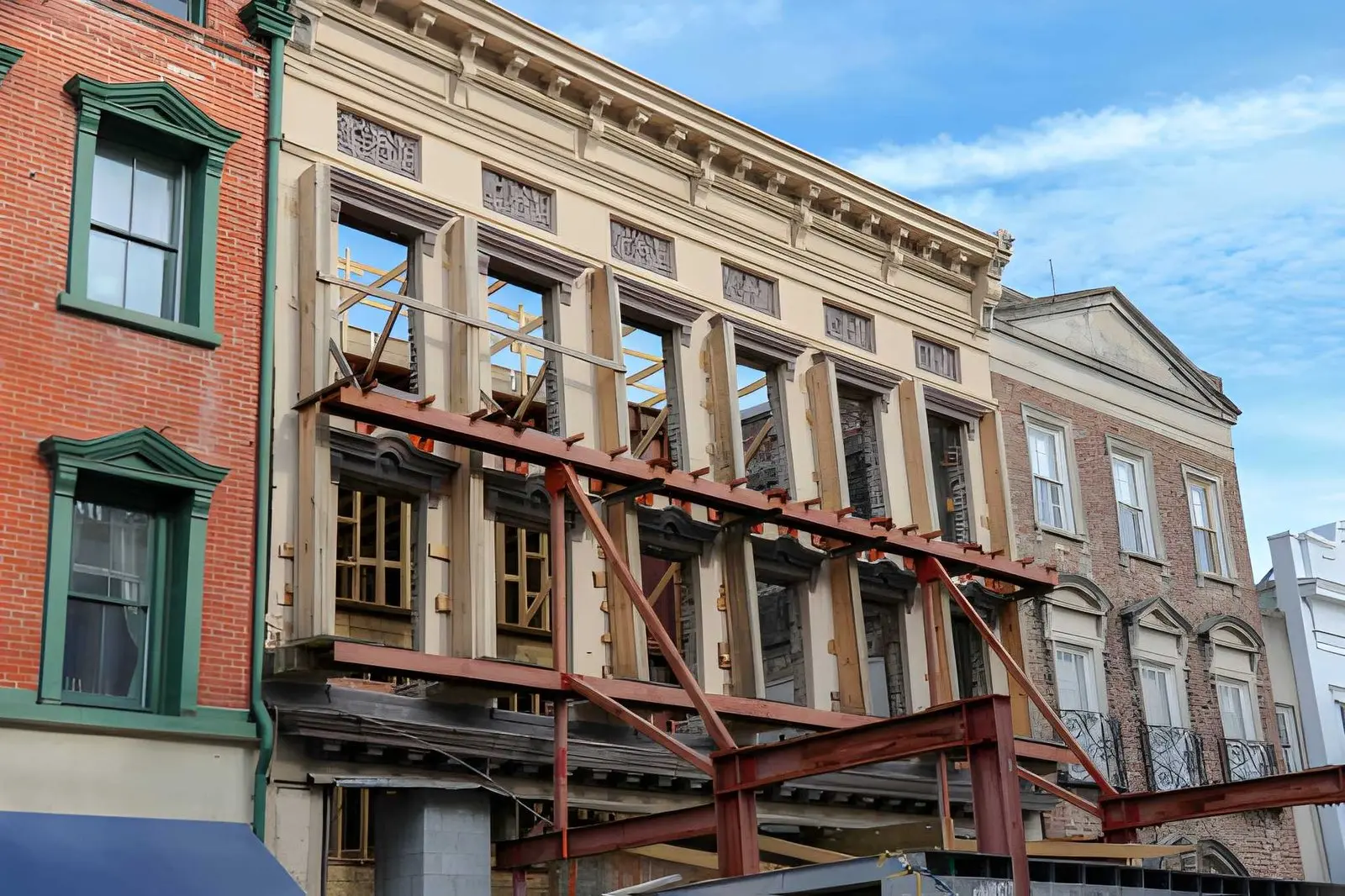
There is a quiet artistry to restoring an aging building that most people never pause to consider. We walk past beautifully maintained older structures every day, admiring their character without realizing the depth of skill required to keep them standing strong. Building restoration is far more than ordinary construction work. It is a craft — a demanding blend of technical knowledge, hands-on skill, patient diagnosis, and respect for the materials and methods of the past. Behind every successfully restored facade lies a process that rewards expertise and punishes shortcuts. Understanding that craft offers a new appreciation for the buildings that endure around us.
A Discipline That Demands True Skill
Restoration occupies a unique space in the building trades. Where new construction begins with a blank canvas, restoration must work with what already exists — aged materials, original construction methods, and decades of accumulated wear. This makes it inherently more challenging and more nuanced. A restoration specialist cannot simply impose modern solutions; they must understand how a building was made, how it has aged, and how to renew it in a way that honors its original integrity.
This is precisely why experience matters so profoundly in the field. Established firms such as Adriatic Restoration Corporation have built their reputations on exactly this kind of expertise, combining a deep understanding of traditional materials with modern restoration techniques to bring aging structures back to sound, lasting condition. The craft is not learned overnight; it is developed over years of working with brick, stone, concrete, and mortar, and of learning to read the subtle signs of how and why a building deteriorates.
Marrying Old Methods With New Technology
One of the most fascinating aspects of restoration is how it bridges past and present. A skilled restorer must be fluent in the building traditions of earlier eras — how mortar was mixed, how masonry was laid, how facades were assembled — while also wielding the advanced materials and diagnostic tools available today.
This balance is delicate. Use methods or materials that are incompatible with the original construction, and the restoration may fail or even accelerate deterioration. Modern cement applied to a structure built for softer historic mortar, for instance, can cause more harm than good. The true craftsman knows when to honor traditional techniques and when modern innovation offers a genuine improvement. It is this judgment — knowing what to preserve and what to upgrade — that separates skilled restoration from mere repair.
Reading a Building Like a Story
Perhaps the most underappreciated skill in restoration is diagnosis. Before any hands-on work begins, an experienced professional must assess the structure and understand not just what has gone wrong, but why. Deterioration is rarely random. A crack, a stain, a patch of crumbling mortar — each tells a story about water, movement, age, or stress, and each points toward an underlying cause.
This diagnostic ability is what allows a restorer to treat causes rather than symptoms. Anyone can patch a visible crack, but only an expert can determine whether that crack stems from water intrusion, structural movement, material failure, or some combination of factors. Misreading the building leads to repairs that fail and problems that recur. Reading it correctly is the foundation upon which all good restoration is built. It requires not only technical knowledge but the kind of intuition that comes only from extensive experience.
The Hands-On Artistry of the Work
Once a building has been properly assessed, the physical craft begins, and it is here that the artistry becomes most visible. Repointing mortar joints, for example, is far more skilled than it appears. The new mortar must match the old in composition, color, and texture, and it must be applied with a precision that ensures both function and visual harmony. Replacing damaged brick or stone requires sourcing or matching materials that blend seamlessly with the original.
Restoring carved details, stabilizing parapets, repairing facades, and renewing weathered surfaces all demand a steady hand and a trained eye. The goal is not merely to make a building sound but to do so in a way that respects its appearance and character. A poorly executed restoration announces itself with mismatched materials and clumsy patches; a masterful one is nearly invisible, leaving the building looking as though time had simply been kind to it. That seamlessness is the mark of genuine craft.
Respecting the Building’s Original Character
Underlying the entire discipline is a philosophy of respect. Good restoration does not seek to erase a building’s history or impose something foreign upon it. Instead, it aims to preserve and honor the original character while restoring soundness and function. This respect for the building as it was intended to be is what distinguishes thoughtful restoration from careless renovation.
This is especially important with older and historic structures, where the materials, proportions, and details carry real significance. A restorer working on such a building must act almost as a steward, preserving what makes the structure distinctive while quietly reinforcing its ability to endure. It is a responsibility that calls for humility as much as skill — an understanding that the craftsman is adding one more chapter to a long story, not rewriting it.
The Particular Challenge of Aging Structures
Aging buildings present challenges that newer ones simply do not. Materials have weathered and weakened, original construction methods may differ from modern standards, and decades of repairs — some good, some not — may have layered complications upon the original structure. Hidden deterioration often lurks beneath the surface, revealing itself only once work begins.
Navigating these uncertainties requires adaptability and deep experience. A skilled restorer anticipates surprises, adjusts plans as conditions reveal themselves, and solves problems that no checklist could fully predict. This is part of why restoration resists standardization and remains, fundamentally, a craft. Every aging building is unique, and each demands a tailored response rather than a formulaic one.
Craft Meets Coordination in Larger Buildings
For commercial and multifamily structures, the craft of restoration carries an added dimension: the work must be performed while the building remains occupied and functional. Residents need access to their homes, businesses must continue operating, and common areas have to stay usable throughout. This requires the restorer’s technical artistry to be matched by careful project management and clear communication with property managers, boards, and occupants.
Sequencing the work in phases, minimizing disruption, and respecting budgets and timelines all become part of the craft in these settings. The most accomplished restoration professionals combine hands-on skill with the organizational ability to manage complex, occupied projects smoothly. In this way, the craft extends beyond the physical work to encompass the entire experience of restoring a living, working building.
An Enduring Craft Worth Appreciating
The restoration of aging and historic buildings is one of those crafts that hides in plain sight. Its successes are, by design, understated — a facade that looks effortlessly sound, masonry that blends seamlessly, a structure that quietly continues to serve for decades more. Behind that understated result lies a remarkable depth of knowledge, skill, and care. It is work that honors the past while securing the future, demanding both technical mastery and genuine respect for the buildings entrusted to it. The next time you pass a gracefully aging structure that has stood the test of time, it is worth remembering the craft — and the craftspeople — that keep it standing.
Also Read
- Improving Patient Experience with Modern Appointment Scheduling Solutions
- 30 Other Ways to Say “Happy Married Life” (With Examples)
- The Growing Role of AI in Logistics Planning, Visibility and Execution