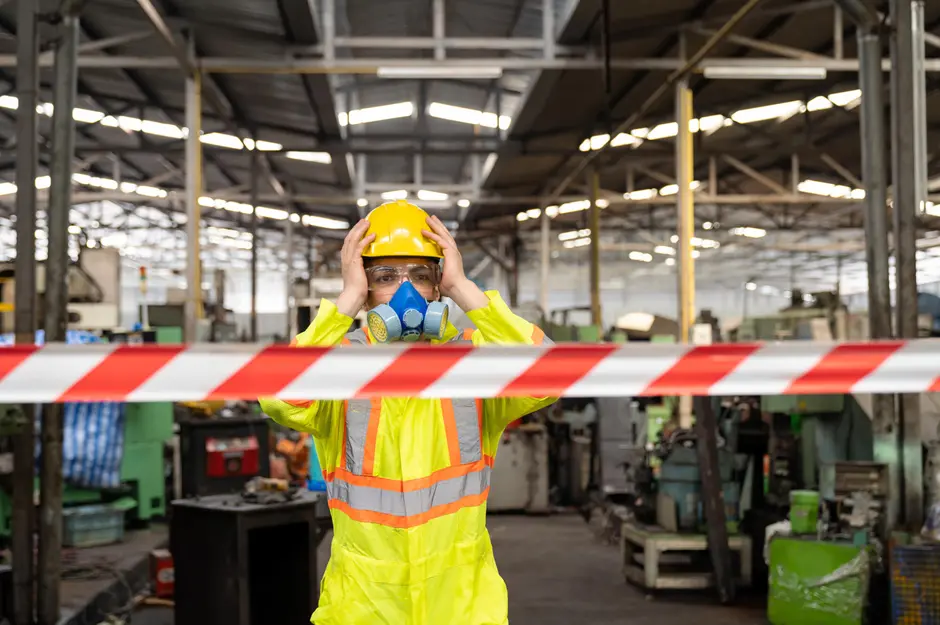
Workplace safety depends on how people think and act each day. Workers may see risks differently, even when they follow the same written rules. Understanding these thoughts can help companies create simple safety steps that workers can follow.
Safety rules can feel like a task instead of something important. Better results come when leaders help workers understand why safety matters. Changing daily habits can lead to safer work across the whole company.
Continue reading to discover everything you need to know!
Cognitive Biases and Risk Perception
Employees constantly calculate personal hazards on the active job site. Effective safety & compliance training builds long-term habits by addressing these mental shortcuts directly. Staff members feel safer when managers value clear feedback during daily tasks.
Optimism bias makes individuals believe severe accidents only happen to other people. Experience can sometimes create false confidence among veteran workers on high-risk job sites. This misplaced confidence leads people to skip basic protective steps during routine shifts.
Leaders must counter these biases with clear reminders integrated into daily shift huddles. Small adjustments in habit yield major long-term improvements in site safety routines. Consistent messaging keeps risk awareness high throughout the work week.
Psychological Safety Drives Hazard Reporting
Workers need to feel safe when they report problems at work. They should be able to speak about risks without fear of being blamed or punished. Research from 2024 found that companies with high levels of workplace trust had better profit results than many competitors.
Workers who fear punishment may hide small mistakes or equipment problems. These hidden problems can grow and later cause serious accidents, damage, or lost work time.
Trust helps teams deal with safety problems early. Easy ways to report issues can encourage workers to speak up during every shift. Managers should listen to these reports and take them seriously.
Team Dynamics and Unwritten Cultural Norms
What coworkers do each day can affect work habits more than written rules. A 2025 industry journal found that feeling safe at work is a key part of strong teams. Managers and supervisors shape workplace culture through their daily actions and how they respond to problems.
Good teamwork depends on the same safe habits across the company:
- Talk about equipment checks
- Praise safe work habits
- Fix hazards right away
Workers often follow what their coworkers do, even when training says something different. Clear team expectations can help keep everyone safe during each shift.
Behavioral Nudges and Daily Habits
Small changes at work can help workers make safer choices without extra effort. Signs, pictures, and clear floor lines can remind workers about safety steps. A good workplace layout can keep workers away from areas where accidents are more likely to happen.
Positive feedback can help workers repeat safe habits. People are more likely to keep doing something when managers notice and praise their good work.
Safety habits should be checked and improved over time. Teams can review safety records and work results together to find problems. These talks can help workers understand risks and take part in making the workplace safer for everyone.
Master Safety Compliance Through Psychology
Understanding human psychology transforms how modern companies approach physical protection. True compliance grows from organizational trust, shared responsibility, and clear daily habits.
Organizations that address mindsets build far more resilient workplaces for the future. Safe behaviors become natural choices when operational culture supports individual well-being. Prioritizing human psychology lays the foundation for sustainable success across all teams.
If you’d like to learn more, check out more articles on our blog.
Also Read
- How Blockchain Technology Works in Simple Terms
- What Do FS Mean in Text: Meaning, Usage, and Real-Life Examples