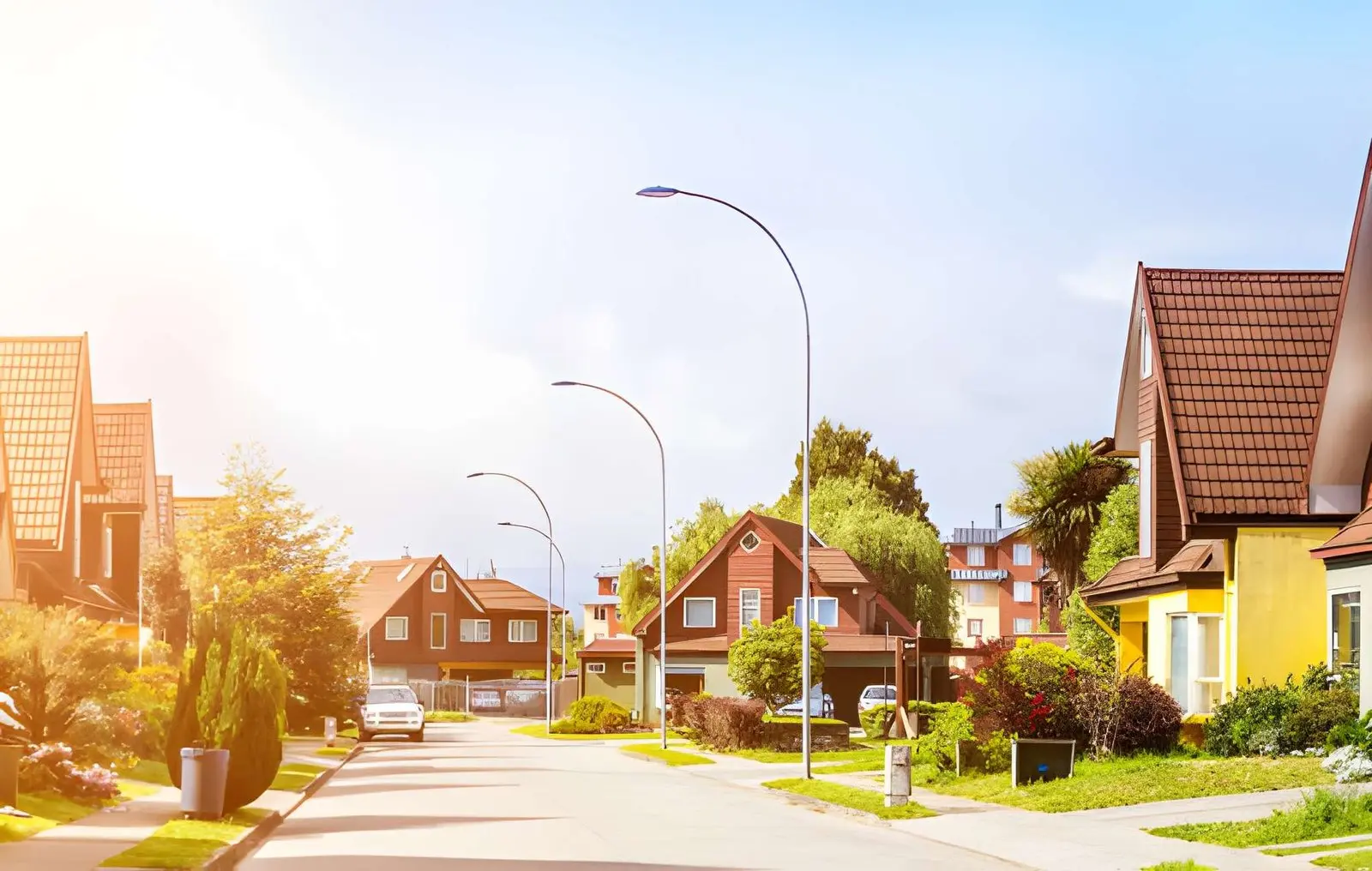
Buying into a neighborhood that’s still visibly changing, construction on one block, a quieter one two streets over, feels riskier than buying somewhere already settled. It’s a reasonable instinct. Nobody wants to bet on a place that might not turn out the way they’re hoping. But the neighborhoods that end up rewarding early buyers the most are almost always the ones that were still figuring themselves out when those buyers showed up.
That’s a harder thing to act on than it sounds, mostly because “still figuring itself out” and “on its way to losing everything that made it worth living in” can look identical from the outside, at least until enough time has passed to tell the difference.
Why Getting In Early Sounds Riskier Than It Actually Is
The hesitation makes sense on the surface. An unfinished neighborhood doesn’t come with guarantees, and it’s harder to picture the end result when half the block is still under construction. But that discomfort is doing a lot of the work in making early-stage neighborhoods look riskier than they typically are.
What actually determines the outcome isn’t whether a neighborhood is changing, almost every desirable neighborhood changes eventually. It’s whether the change strengthens what already made the place work, or erases it entirely. Those are two very different trajectories that can look nearly identical in the first year or two, which is exactly why so many buyers either miss the opportunity or misjudge the risk.
What Separates a Neighborhood That Evolves Well From One That Doesn’t
A neighborhood that evolves well tends to add density, amenities, and investment without losing the specific character that made people want to live there in the first place. A neighborhood that evolves poorly does the opposite: it trades away its identity for generic development and ends up feeling like anywhere else.
The difference usually shows up in small, observable details. Does new construction sit alongside the older housing stock, or does it wholesale replace it? Are the small, independent businesses that gave the area its personality still there, or have they been priced out entirely? Is there still a reason to walk down the main commercial street, or has it become interchangeable with any other retail corridor in the city?
What This Looks Like in a Neighborhood Actually Going Through It
For buyers actually weighing whether to get in now, Ballard neighborhood is a live example of the pattern in progress. New townhouse construction is going up on blocks that used to hold single detached homes, and the neighborhood’s working-waterfront identity, an active fishing fleet, a long-running Sunday market, a commercial strip that still feels distinct rather than interchangeable, has held up so far rather than being replaced outright.
That combination, real change plus a retained identity, is exactly the pattern that tends to separate neighborhoods that reward early buyers from ones that simply become generic over time. It’s also the kind of thing that’s genuinely hard to fake, a neighborhood either keeps the businesses and rhythms that made it distinct, or it doesn’t, and that becomes obvious fairly quickly to anyone actually watching how individual blocks are changing rather than reading a summary after the fact.
The Research Behind Why This Isn’t Just Luck
This isn’t just an intuition agents repeat to buyers, it has real academic grounding. Research on neighborhood transition, going back to foundational work published in the Journal of the American Institute of Planners, describes what’s sometimes called an arbitrage model of neighborhood succession, essentially, that real estate value trends can be used as a direct indicator of whether a neighborhood is upgrading or downgrading over time, rather than assuming all changing neighborhoods follow the same predictable decline. The core insight is that neighborhood change isn’t inherently good or bad, it’s directional, and that direction tends to become visible in property values well before it’s obvious to a casual observer.
That’s the theoretical version of what buyers are actually trying to spot in practice: is this specific neighborhood heading toward a stronger version of itself, or a diluted one, and is that direction already showing up in how the market is pricing it.
The Risk Nobody Should Ignore
None of this means every changing neighborhood is a safe bet, plenty of them lose what made them distinct and never get it back. The buyers who benefit most from early-stage neighborhoods aren’t the ones who buy into any construction zone and hope for the best, they’re the ones who can actually tell the difference between change that’s additive and change that’s erasive.
That distinction takes more than checking a listing price or a walkability score. It takes actually walking the blocks, talking to people who’ve been there a while, and paying attention to whether the things that made the neighborhood worth caring about in the first place are still standing once the dust settles.
The Takeaway for Buyers Weighing an In-Transition Neighborhood
Buying into a neighborhood before it’s finished will always feel less certain than buying into one that’s already settled. That discomfort isn’t a reason to avoid it entirely, it’s a reason to look closer at what kind of change is actually happening. The neighborhoods that come out the other side stronger, not just denser, tend to be exactly the ones that reward the buyers who paid attention early, rather than waiting until the outcome was already obvious to everyone else.
By the time a neighborhood’s evolution is undeniable to every buyer looking at it, the early-mover advantage has usually already been priced in. The harder, more useful skill isn’t waiting for certainty, it’s learning to read the difference between genuine momentum and a neighborhood quietly losing what made it worth choosing in the first place.
Also read
- How Blockchain Technology Works in Simple Terms
- How to Tell If a Used Car Dealer Is Worth Your Trust