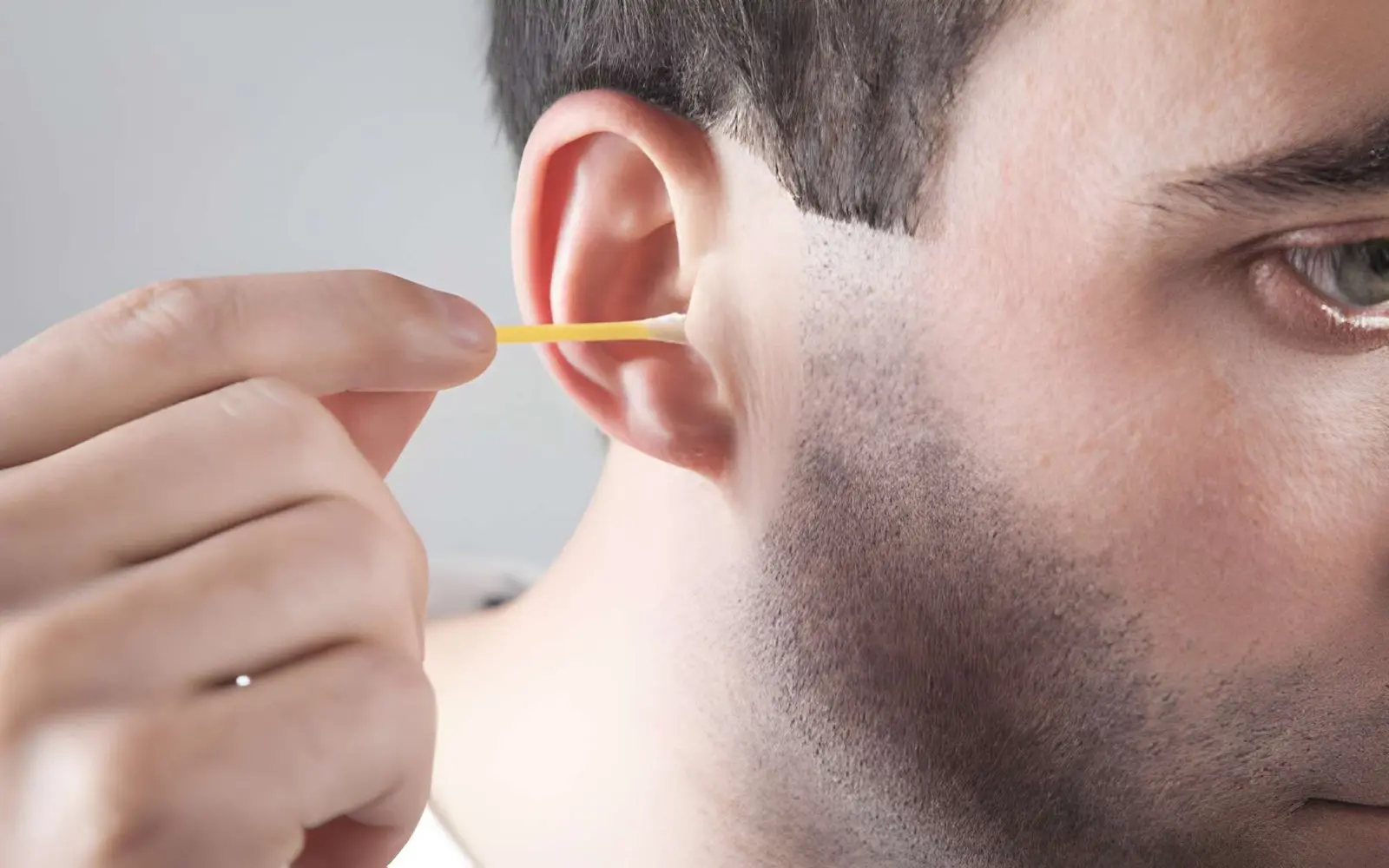
Most people don’t think much about earwax until it starts causing problems. One day your hearing feels muffled, your ear feels blocked, or you notice an annoying ringing sound that wasn’t there before. While earwax plays an important role in protecting your ears, too much of it can become uncomfortable and even affect your daily life.
Many people try cotton buds, ear candles, or home remedies first. Unfortunately, these approaches often push wax deeper into the ear canal or create even more irritation. When symptoms persist, professional treatment is often the safest option.
Why Earwax Builds Up
Earwax, also known as cerumen, helps trap dust, dirt, and bacteria before they reach the delicate parts of your ear. Under normal circumstances, your ears naturally clean themselves.
However, earwax can build up when:
- You frequently wear earbuds or hearing aids.
- You regularly use cotton buds.
- Your ear canals are naturally narrow.
- Your body simply produces more wax than average.
- Age changes the consistency of the wax, making it harder to exit naturally.
A buildup doesn’t necessarily happen overnight. It often develops gradually until you suddenly notice changes in your hearing or comfort.
Signs You May Need Professional Help
A blocked ear isn’t always caused by wax, but several symptoms commonly point in that direction.
Reduced Hearing
One of the most common complaints is hearing that suddenly seems dull or muffled. Many people compare it to having water trapped inside the ear.
Feeling of Fullness
Your ear may feel constantly plugged, almost as if it needs to pop but never does.
Ringing or Buzzing
Excess wax can sometimes contribute to tinnitus, making existing ringing more noticeable.
Mild Discomfort
Although earwax itself isn’t painful, pressure from a blockage can create discomfort or irritation.
If these symptoms continue for several days or worsen, it’s a good idea to have your ears examined by a healthcare professional.
Why DIY Removal Isn’t Always Safe
It’s tempting to solve the problem yourself, especially when so many products claim to remove earwax at home.
The problem is that many home methods carry risks.
Cotton buds often push wax deeper into the canal rather than removing it. Ear candles have little scientific support and may even cause burns or injury. Sharp objects should never be placed inside the ear, even if they seem small enough to fit comfortably.
Ear drops can soften wax, but they don’t always remove larger or impacted blockages. In some cases, softened wax simply shifts position and continues causing symptoms.
What Happens During Ear Syringing?
Professional ear syringing is performed after an assessment confirms that it’s appropriate for your situation.
During the procedure, warm water is carefully introduced into the ear canal to gently flush out softened wax. The process is controlled and designed to minimise discomfort while protecting the ear.
Before treatment, a clinician will typically check your ears to ensure there are no conditions that would make syring unsuitable, such as a perforated eardrum or an active infection.
If you’re considering professional ear syringing services, it’s reassuring to know that qualified practitioners assess each patient individually rather than applying the same approach to everyone.
Who Benefits Most?
Professional removal may be particularly helpful if you:
- Experience recurring wax buildup.
- Wear hearing aids.
- I have difficulty hearing because of blocked ears.
- Have already tried ear drops without success.
- Need a clear ear canal before a hearing assessment.
Some people naturally experience repeated wax accumulation throughout their lives, making occasional professional cleaning part of their routine healthcare.
What to Expect Afterwards
Most people notice an immediate improvement in hearing once the blockage has been removed.
You might also notice:
- Less pressure inside the ear.
- Improved sound clarity.
- Greater comfort throughout the day.
Occasionally, your ears may feel unusually sensitive for a short period because they’ve become accustomed to the blockage. This usually settles quickly.
Your clinician may also provide advice on preventing future buildup, depending on your individual situation.
Preventing Future Earwax Problems
Although you can’t stop your ears from producing wax, you can reduce the chances of future blockages.
Some simple habits include:
Avoid Cotton Buds
The ear is remarkably good at cleaning itself. Cotton buds usually interfere with that natural process.
Use Earbuds Carefully
Frequent earbud use can slow the natural movement of wax out of the ear canal.
Follow Professional Advice
If you’re prone to excessive wax, your healthcare provider may recommend occasional softening drops or periodic ear examinations.
Don’t Ignore Persistent Symptoms
Not every blocked ear is caused by wax. If symptoms continue despite treatment, further assessment may be needed to rule out other conditions.
Knowing When to Seek Care
While earwax is usually harmless, there are situations where prompt medical assessment is important. Severe pain, bleeding, sudden hearing loss, dizziness, or discharge from the ear should not be treated as routine wax buildup.
Professional evaluation helps identify the true cause of your symptoms and ensures you receive the most appropriate treatment.
Healthy ears contribute to better communication, balance, and overall quality of life. When earwax becomes more than just a minor inconvenience, having it managed safely by trained professionals can provide fast relief while reducing the risk of unnecessary complications.
Also Read
- 5 Ways Online Interactive Games Are Changing At-Home Entertainment in 2026
- 30 Other Ways to Say “Happy Married Life” (With Examples)
- Top 8 Medical Billing Software Platforms for HME Businesses