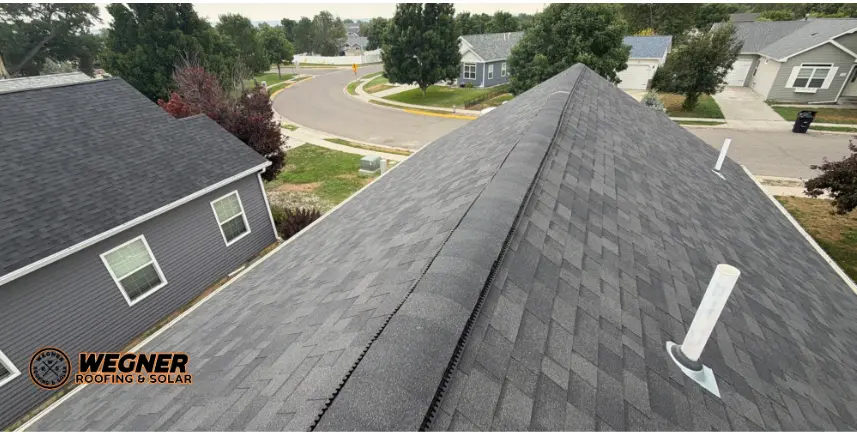
A roof protects far more than the rooms beneath it. It helps shield insulation, framing, electrical systems, furnishings, and the people who occupy the property.
When leaks, missing shingles, storm damage, or aging materials appear, choosing among roofing companies in Nashville TN becomes an important property decision rather than a routine purchase.
Homeowners do not need to make that decision based on advertising or price alone. A professional inspection, documented recommendations, and a clearly defined project scope provide a stronger foundation.
Scheduling an assessment early can also help determine whether focused roof repair services are appropriate or whether broader work should be considered.
Look for Relevant Local Experience
Local experience matters because roofing systems must perform under the conditions affecting the surrounding area. A qualified Nashville roofing contractor should understand common residential designs, drainage concerns, ventilation requirements, flashing details, and the types of damage that may follow wind or hail events.
Homeowners can ask how frequently the contractor works on comparable properties and roofing materials. The answer should be specific enough to demonstrate familiarity without relying on vague claims.
Contractors should also be able to explain how roof slope, penetrations, valleys, gutters, and surrounding trees may influence the recommended solution.
Verify Credentials Before Discussing the Project
Credentials are an essential screening tool. The Tennessee Board for Licensing Contractors provides public resources for checking contractor and qualifying-agent information.
Tennessee also applies licensing requirements according to project type, value, and location, including specific home-improvement requirements in Davidson County. Homeowners should confirm which rules apply to their project rather than relying only on a salesperson’s assurances.
Proof of liability insurance and workers’ compensation coverage should also be requested when applicable. Names on estimates, contracts, licenses, and insurance documents should be consistent. Any uncertainty should be resolved before work begins.
Expect a Thorough Roof Inspection
A responsible recommendation begins with an inspection rather than an immediate sales pitch. The contractor should evaluate shingles or other surface materials, flashing, roof penetrations, drainage points, visible decking concerns, and accessible attic conditions when appropriate.
The written findings should distinguish urgent problems from maintenance items. Photos can make the explanation easier to understand, particularly when damage is located on a steep or inaccessible section.
Homeowners should be cautious when a major roof replacement is recommended without supporting observations.
Compare the Scope Instead of the Bottom Line
Roofing estimates may vary because they include different materials, labor, ventilation, flashing, disposal, warranties, or decking allowances. Homeowners should compare the full scope rather than choosing the lowest price.
A clear estimate should identify:
- Roofing materials and underlayment.
- Flashing and ventilation work.
- Cleanup and disposal.
- Payment terms and timeline.
- Procedures for unexpected repairs.
Multiple written estimates make it easier to compare overall value and avoid missing services.
Understand Repair and Replacement Recommendations
Not every leak requires a new roof. Localized flashing problems, missing shingles, or limited wind damage may be repairable.
Replacement may be more practical when there are recurring leaks, widespread deterioration, major storm damage, or weakened decking.
Contractors should explain:
- Why repair or replacement is recommended.
- How long a repair may remain effective.
- Whether matching materials are available.
- How much service life remains in the surrounding roof.
Evaluate the Complete Roofing System
A roof includes more than shingles. Underlayment, flashing, ventilation, decking, drip edge, gutters, sealants, and penetrations all help control moisture and airflow.
Material recommendations should reflect the property’s slope, design, ventilation, budget, and maintenance needs. Homeowners should also understand the manufacturer warranty and the contractor’s workmanship coverage.
Review Communication and Warning Signs
Reliable contractors communicate clearly, provide documents promptly, explain schedule changes, and identify who will manage the project.
Homeowners should be cautious when a contractor:
- Pressures them to approve work immediately.
- Demands a large or unexplained cash payment.
- Refuses to provide insurance or licensing information.
- Avoids putting promises in writing.
- Makes unclear claims about pricing or warranties.
Emergency work and long-term repairs should be listed as separate items.
Make a Confident Final Decision
The strongest choice usually combines local experience, verified credentials, a careful inspection, a transparent scope, suitable materials, and dependable communication.
Property owners in Nashville and Middle Tennessee can contact Wegner Roofing & Solar for a professional roof evaluation.
Before approving a project, homeowners should confirm that the proposed solution addresses the roof’s actual condition, understand the warranty, and resolve any unanswered questions. Careful comparison can lead to clearer expectations and a more accountable working relationship.
FAQs About Roofing Companies in Nashville TN
How can a homeowner tell whether a roofing contractor is reputable?
A homeowner can verify applicable licensing, request insurance documentation, read recent reviews carefully, obtain written estimates, and confirm that the contract identifies materials, labor, payment terms, and expected dates. Pressure tactics and undocumented promises should be treated cautiously.
What factors determine whether a roof should be repaired or replaced?
The appropriate solution depends on the location and extent of the damage, the roof’s overall condition, material availability, and the likelihood of additional failures. A contractor should document the findings and explain the expected value and limitations of each option.
How many roofing estimates should a homeowner obtain?
Multiple written estimates allow homeowners to compare scope, materials, warranties, and pricing. The FTC advises consumers to obtain more than one estimate and not automatically select the lowest bidder without understanding significant differences.
Read Also: roof truss design