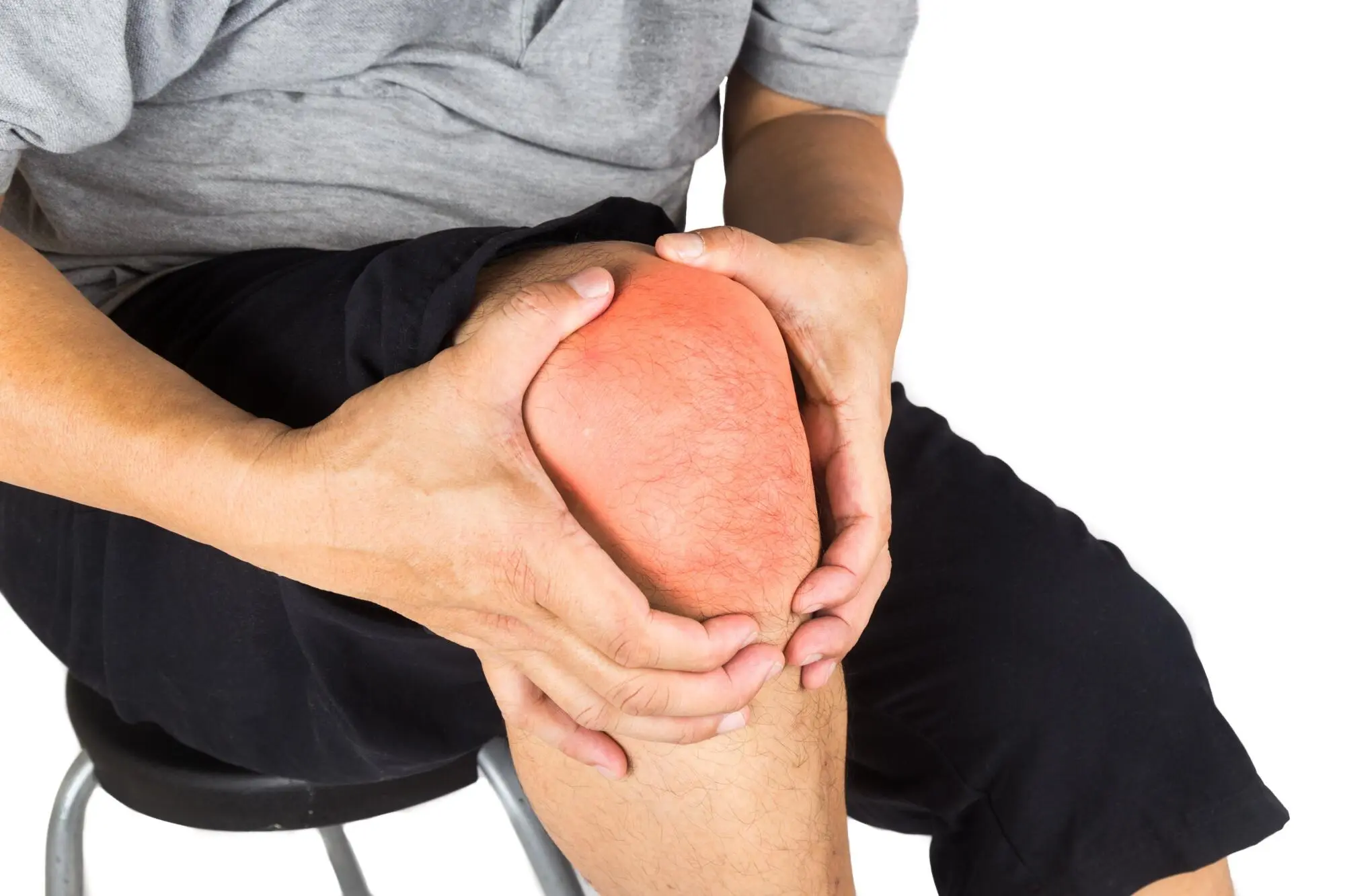
Joint surgery offers a fresh start for men and women dealing with chronic pain. The procedure repairs damaged surfaces and helps you regain normal joint function.
Leaving the hospital marks the true beginning of your healing journey. Committing to a daily plan makes your recovery smooth and successful.
Preparing Your Home for Safe Healing
Setting up your living quarters ahead of time prevents avoidable accidents after discharge. Clear wide paths between your bed and the bathroom so you can walk freely with a walker.
Simple adjustments throughout your living area protect your body from risky twists and slips. Anyone gathering helpful info about hip replacement surgery must prepare room layouts before returning home. Firm handrails along stairways and textured mats inside the shower create a secure environment.
Keep everyday objects within arm’s reach to stop unnecessary bending toward the floor. Placing phone chargers, medications, and reading glasses on waist-high tables keeps daily tasks manageable.
Moving Early with Guided Physical Therapy
Gentle movement after surgery helps improve blood flow and reduce leg pain. Simple foot movements and short walks can help keep blood moving and prevent stiffness.
A medical update explains that walking early with help can lower the risk of problems like blood clots. Your physical therapist will show you how to walk safely with crutches or a cane. These movements help support the new joint without putting too much pressure on it.
Try to follow your therapist’s daily plan:
- Do ankle pumps every hour
- Walk short halls four times
- Rest with feet raised
Rebuilding Strength Step by Step
Building muscle strength around a new joint takes time and care. It is important to follow a steady plan instead of rushing. Pushing through severe pain can hurt healing tissues and make recovery slower.
A surgery report says that most patients can walk hundreds of feet on the day of surgery. This shows how modern surgery can help people move sooner. Simple exercises, such as tightening the thigh muscles and lifting the leg, can help maintain progress.
Short exercise sessions throughout the day are often better than one long workout. Listen to your body and take breaks when needed. If swelling or pain increases, stop and rest.
Managing Swelling and Nourishing Your Body
Controlling local inflammation keeps you comfortable and helps you complete daily rehabilitation exercises. Cold therapy calms irritated nerves and brings down stubborn puffiness.
Applying cold wraps for 20 minutes at a time relieves pressure around the joint incision. Pairing cold treatments with a $30 compression sleeve gives your healing limb extra stability. Taking prescribed medications on a strict timetable stops soreness before it limits your mobility.
Nutrient-dense foods provide the raw materials needed to mend tissue and build bone. Drinking 8 glasses of pure water every day keeps joint cartilage supple and flushes waste. Lean meats, leafy greens, and citrus fruit give your cells the protein and minerals required for tissue rebuilding.
Learn More About Fast Recovery After Joint Surgery
Healing from joint surgery requires patience, discipline, and steady effort each week. Small daily victories add up to major improvements in strength and movement.
Follow your physical therapy plan, maintain a safe living space, and stay in touch with your care team. With dedicated practice, you will regain your active lifestyle. If you’d like to learn more, check out more articles on our blog.
Also Read
- SBOBET88 Slot Goceng: A Trusted Choice for Online Gaming
- Best SEO Chrome extension for on-page audits: what to look for in 2026
- How IPL Teams Build Loyal Fan Communities