Severe storms can damage a home in only a few minutes. Heavy rain, strong wind, hail, and falling branches can harm roofing, siding, windows, gutters, and outdoor structures. After the storm passes, homeowners may feel unsure about what to check first or how serious the damage might be.
The first goal should always be safety. Some storm damage is easy to see, while other problems may be hidden behind walls or under roofing materials. A small leak can also grow into a much larger repair if water continues to enter the home.
A clear plan can make the recovery process easier. Homeowners should inspect the property carefully, prevent more damage when it is safe, keep good records, and contact qualified professionals when repairs are needed. Taking each step in the right order can help protect the home and reduce stress after severe weather.
Put Personal Safety Before Property Damage
Do not rush outside as soon as a storm ends. Strong winds, lightning, flooding, or falling branches may still create danger even when the worst weather seems to have passed.
Look through windows first and check the area around your home. Watch for fallen trees, loose power lines, broken glass, damaged fences, and standing water. Never touch a fallen electrical line or anything that may be touching one.
Avoid climbing onto the roof yourself. Storm damage can make roofing materials loose, wet, or weak. Even a roof that looks safe from the ground may have damaged sections that cannot support your weight.
If there is major structural damage, leave the home and stay in a safe location. Serious roof movement, large wall cracks, or a strong smell of gas should be treated as urgent concerns. Contact emergency services or the proper utility company when needed.
Your home can be repaired later. Your safety and the safety of your family should always come first.
Inspect the Property From the Ground
Once conditions are safe, walk around the outside of your home and look for signs of damage. Stay on the ground and use a camera or phone to take closer photos if needed.
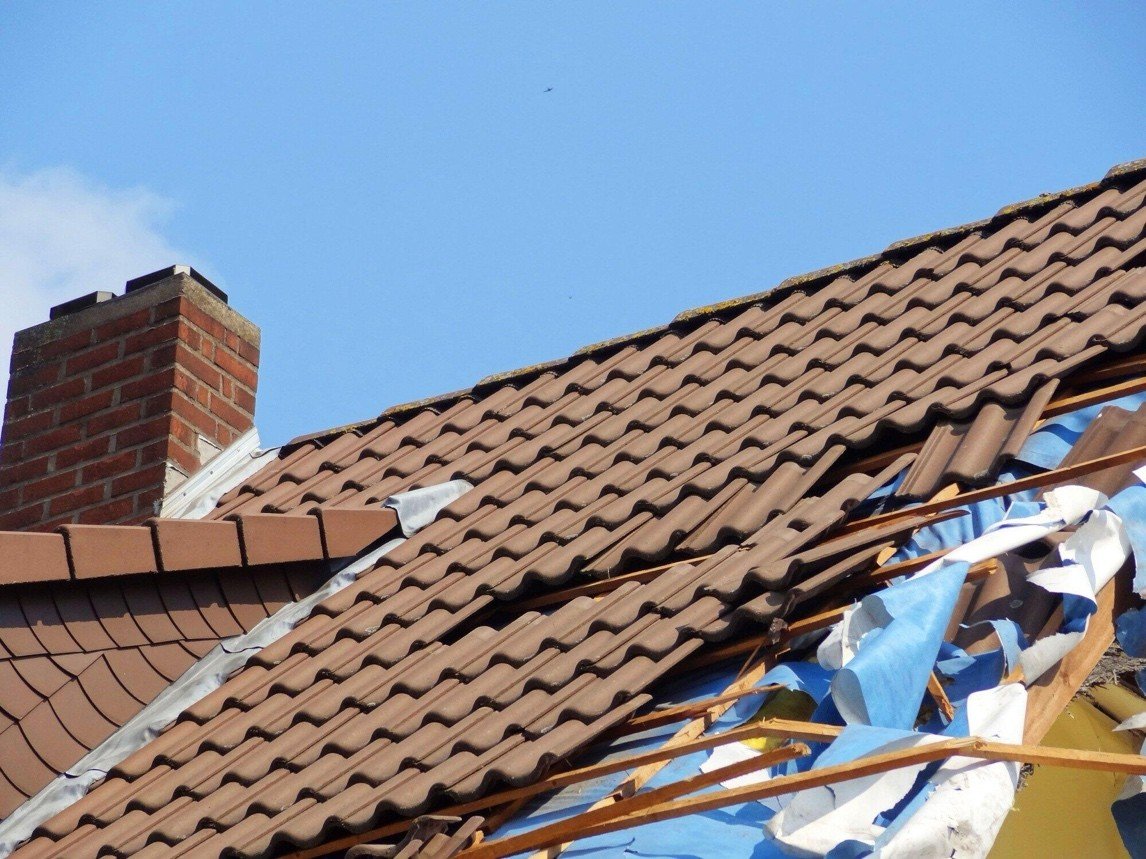
Look at the roof for missing shingles, lifted edges, damaged flashing, or areas where branches may have landed. Hail can also leave dents or marks that are difficult to see from a distance.
Check the siding for cracks, holes, loose panels, or sections that have pulled away from the wall. Strong winds can push rain behind damaged siding and allow moisture to reach the structure underneath.
Windows, doors, gutters, and downspouts should also be checked. Look for broken glass, damaged frames, loose gutters, and downspouts that are no longer connected.
Do not forget outdoor items such as sheds, fences, decks, and air conditioning units. Storm damage may affect several parts of the property at the same time.
Look for Signs of Roof Leaks Indoors
Roof damage does not always appear as a large hole. Water may enter through small cracks or loose roofing materials and travel before it becomes visible inside.
Check ceilings and upper walls for wet spots, stains, peeling paint, or dripping water. Attics should also be inspected if they can be entered safely.
Use a flashlight to look for damp insulation, wet wood, or water marks. A musty smell can also point to hidden moisture. Place buckets under active leaks to protect floors and furniture.
Move valuable items away from wet areas when possible. Do not touch wet electrical fixtures, outlets, or wiring. Water and electricity create a serious safety risk.
If water is near electrical equipment, turn off power only if it can be done safely. Finding leaks early can help reduce damage to ceilings, insulation, flooring, and walls.
Prevent More Damage When It Is Safe
After a storm, homeowners should take reasonable steps to keep damage from getting worse. However, temporary repairs should only be made when they can be completed safely.
For example, you may move furniture away from a leak, place containers under dripping water, or cover damaged indoor items. A broken window may be covered from a safe location with a temporary barrier.
Roof tarps may help stop more rain from entering, but installing one can be dangerous. A trained roofing professional is often the safer choice when roof access is required.
Avoid making large permanent repairs before the full damage has been reviewed. Quick repairs can sometimes hide problems that need to be documented for an insurance claim.
Keep receipts for temporary materials or emergency services. These records may be useful later. The goal is to protect the home from more damage without putting yourself at risk or making the repair process more difficult.
Document Every Area of Damage
Good records can make insurance discussions and repair planning much easier. Take photos and videos of all visible damage before moving or repairing anything. Capture wide views of each area and close-up images of specific problems.
Photograph damaged roofing, siding, windows, gutters, furniture, flooring, and personal belongings. If water entered the home, record where it came in and which rooms were affected.
Write down the date of the storm and when you first noticed each problem. You can also make a simple list of damaged items.
Include details such as:
- Location of damage
- Type of damage
- Approximate age of the item
- Repair or replacement needs
- Photos or video numbers
Do not throw away damaged materials too quickly unless they are unsafe or your insurance company tells you to remove them. Clear records can help show what happened and make it easier to compare repair estimates.
Review Roofing and Siding Together
Storms often damage more than one part of the home’s exterior. Roof problems may be the most obvious, but siding can also be affected by wind, hail, and flying objects.
Damaged siding may allow water to reach insulation or wall materials. Loose panels can also continue to move in later storms and cause more damage.
Homeowners who need several exterior repairs may want to compare roofing and siding services at the same time. Working with professionals such as a siding installation company in Shepherdsville may be one option to review when planning repairs to storm-damaged exterior areas.
Ask the contractor to inspect how the roof, siding, flashing, gutters, and trim work together. Water can travel between these areas, so treating each problem separately may miss part of the damage. A full exterior review can help create a clearer repair plan and reduce the chance of hidden moisture problems.
Contact Your Insurance Company Early
If your home has serious storm damage, contact your insurance provider as soon as practical. Report the event and ask what steps are required to begin a claim.
Have your policy number ready if possible. Give clear information about the storm date, the type of damage you noticed, and whether emergency repairs were needed.
Ask for a claim number and write it down. Keep notes about every phone call, including the date, the person you spoke with, and any instructions you received.
Your insurer may send an adjuster to inspect the property. Ask whether you should wait for that inspection before making permanent repairs.
Review your policy so you understand your deductible and coverage limits. Damage caused by wind or hail may be treated differently from flooding or other events.
Do not assume that every type of storm damage is covered. The exact policy language matters.
Be Careful When Choosing Contractors
Storms often bring many repair companies into damaged areas. Some are experienced professionals, while others may use pressure to get homeowners to sign quickly. Take time to compare contractors before agreeing to major work.
Ask about licenses, insurance, local experience, warranties, and the type of repairs they perform. Request written estimates that explain materials, labor, and the expected scope of the project. Avoid contractors who demand full payment before work begins or who pressure you to sign immediately.
A clear estimate should explain what will be repaired and whether damaged materials will be removed. It is also useful to ask how the contractor handles hidden damage found during the job.
Check references or reviews when possible. Choosing a reliable company can make the repair process much smoother and reduce the risk of poor work.
Understand the Difference Between Repairs and Replacement
Not every damaged roof or siding system needs to be fully replaced. A few missing shingles may only require local repairs. A larger area with torn roofing, damaged decking, or repeated leaks may need more work.
The same is true for siding. One damaged panel may be easy to replace, while widespread hail or wind damage may affect a much larger section.
Age matters too. Older roofing or siding may be harder to match with new materials. In some cases, replacement may provide a more consistent result.
Ask the contractor to explain why they recommend repair or replacement. They should be able to show which areas are damaged and how the proposed work will solve the problem.
Do not choose the largest project automatically. The best option should match the actual condition of the home. A second opinion may also be helpful when the repair cost is high.
Watch for Hidden Water and Moisture Problems
Water damage may continue long after the storm ends. Moisture can become trapped behind siding, under roofing, inside insulation, or between walls. These areas may stay wet even when surfaces appear dry.
Watch for signs such as stains, soft drywall, peeling paint, warped flooring, or musty odors. If the home experienced a large leak, professional drying equipment may be needed. Fans alone may not remove moisture from deeper building materials.
Wet insulation may also lose some of its ability to control temperature. Hidden moisture should be handled quickly because it can damage wood, drywall, flooring, and other materials.
Do not simply paint over stains or close walls before the inside is dry. A roofing, siding, or water damage professional may use moisture tools to check areas that cannot be seen easily. Finding hidden water early can prevent a small problem from becoming a larger repair.
Prepare for Future Storms
Once repairs are complete, think about ways to make the home more ready for the next severe storm. Start by keeping the roof, gutters, and siding in good condition. Small problems are more likely to become serious when strong wind or heavy rain arrives.
Trim weak or dead branches near the house. Keep gutters clear so water can move away from the roof. Check that downspouts direct water away from the foundation.
Loose outdoor items should also be secured before severe weather. You may want to ask a contractor about stronger roofing materials, improved flashing, or other upgrades when repairs are already being made. Keep important documents, insurance details, and contractor contact information in a safe place.
It can also help to create a simple storm plan for the family. Know where to go during severe weather and where emergency supplies are stored. Preparation cannot prevent every type of damage, but it can reduce risk and make recovery easier.
Keep Records Through the Entire Repair Process
Storm recovery may take weeks or even months, especially when many homes in the area are damaged. Create one folder for all records related to the storm. This may include photos, insurance forms, repair estimates, receipts, emails, and contractor agreements.
Keep a simple timeline showing when inspections happened and when repairs were completed. If an insurance payment is made, record which work it is meant to cover. Save copies of warranties for new roofing, siding, windows, or other materials.
Before final payment to a contractor, inspect the work and ask questions about anything that seems incomplete. Make sure debris is removed and the property is left safe.
Good records can also be helpful years later if you sell the home or need future repairs. Staying organized reduces confusion and helps you keep track of each step from the first inspection to the final repair.
Recover From Storm Damage With a Clear Plan
Storm damage can feel overwhelming, but homeowners do not need to solve every problem at once. Start with safety, then inspect the home from the ground and look for signs of leaks or structural damage.
Document everything before major repairs begin. Contact your insurance company, compare qualified contractors, and make temporary repairs only when they can be done safely.
Pay attention to both visible and hidden problems. Roof damage, damaged siding, wet insulation, and water behind walls can all create larger issues if they are ignored.
Check out the rest of our site for more!
Read more: How to Financially and Operationally Prepare for Business Expansion into Southeast Asia
Top Financial Tips for Buying Your First Car
How the Right Accent Pieces Can Transform a Neutral Living Room