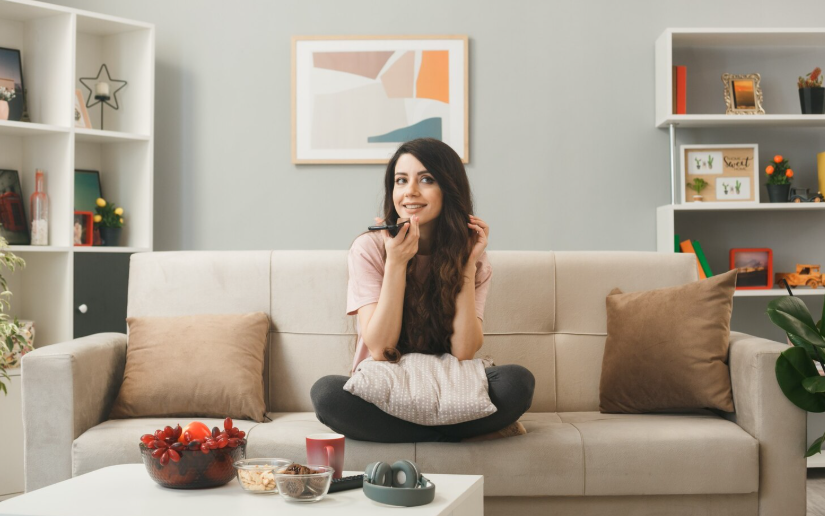
There’s a particular kind of frustration that comes with a neutral living room. You love the calm. You love the sophistication. But somewhere between “intentionally minimal” and “actually finished,” the room starts feeling a little… empty. A little forgettable. Like a hotel suite that nobody actually lives in.
The difference between a neutral room that feels curated and one that feels abandoned almost always traces back to accent pieces. The right ones bring soul, warmth, and genuine personality, without blowing up the peaceful base you worked so hard to build. Let’s talk about how to make that happen.
Why Accent Pieces Are Everything in a Neutral Space
Neutral rooms are simultaneously forgiving and completely unforgiving. Grays and beiges don’t compete with anything, which is great. But they also don’t hide neglect. Without deliberate texture, visual anchors, and a few personality-driven choices, your space can feel sterile rather than serene.
What Colors Work Best Against a Neutral Base?
For 2026, the most compelling accent tones are muted metallics, terracotta, deep greens, and ceramic blues. None of these scream for attention. But all of them create quiet visual energy that a beige or gray room desperately needs.
Where you place them matters just as much as which ones you pick. A terracotta planter on a coffee table anchors the lower visual field. A deep green canvas above the sofa pulls the eye upward. Use both strategies together, and the whole room starts to feel intentional rather than staged.
The Accent Categories That Create the Biggest Impact
Not every accent piece punches equally hard. Knowing which categories deliver the most visual return on investment, especially when you’re working with a limited budget or a smaller space, changes everything.
Functional Pieces That Pull Double Duty
Here’s one that surprises people: furniture itself can function as an accent. Specifically, a well-chosen end table for living room setup can do a whole lot more than just hold a coffee mug. The right one brings in contrasting texture, introduces an interesting material, and creates a visual anchor beside your sofa that ties the whole vignette together. A sculptural marble base, a warm rattan frame, a sleek dark wood finish- these details matter more than most people realize when they’re shopping for something they think of as purely functional.
Multi-purpose pieces like ottomans, poufs, and small benches layer in texture while solving real problems: extra seating, hidden storage, a spot to rest your feet. Statement cushions in trending shades like dusty rose, warm camel, or deep sage can shift a room’s entire mood without requiring a single permanent change.
Statement Art and Sculptural Objects
Statement artwork is probably the fastest shortcut to personality in a neutral room. Oversized canvases, abstract prints, or nature-inspired pieces can anchor an entire wall without needing anything else around them. Don’t size down out of fear. Go bigger than feels comfortable. It almost always works better.
Sculptural vases, decorative bowls, and ceramic planters add organic dimension that no amount of throw pillows can replicate. Mirrors deserve more love than they typically get; they bounce light, create an illusion of space, and add a touch of quiet glamour. These are genuinely among the best accent choices for neutral rooms, regardless of your personal style direction.
Lighting as Sculpture
Lighting is genuinely underrated as an accent modification. An arched floor lamp beside a neutral sofa doesn’t just illuminate; it creates a visual pause, a moment of drama, a reason for the eye to stop and linger.
The shape of your lamp matters as much as the light it puts out. Rattan pendants, marble-base table lamps, and dramatically arced floor fixtures all bring sculptural value on top of warm, ambient illumination. If your lighting is boring, your room is going to feel boring, no matter how good everything else is.
How to Layer Texture Without Making it Look Busy
Layering is where neutral rooms graduate from acceptable to genuinely memorable. It’s less about accumulating more stuff and more about how intentionally you combine what’s already there.
Mix Your Materials Deliberately
Wood, marble, linen, glass, ceramics- each one carries a different visual and tactile quality. Mixing them creates a curated richness that feels natural rather than overthought. A jute rug under a smooth marble coffee table, linen curtains catching afternoon light, a ceramic lamp on a wooden side table- that combination builds real depth without introducing a single bold color. Contrast is the tool. Neutrality is the canvas.
Add Movement Through Unexpected Choices
Artisan wall baskets, vintage finds, and handwoven tapestries bring handmade warmth that mass-produced pieces simply can’t replicate. There’s something about knowing something was made by someone’s hands that you can actually feel in a room.
Rotating seasonal decor keeps the space evolving without creating chaos. Swap out throws for something lighter in spring. Swap in deeper textures come fall. It costs almost nothing and keeps the room feeling alive.
Arrangement Strategies That Make Everything Click
You can have ten beautiful objects and still end up with a room that feels chaotic. Cohesion comes from placement and a clear visual story, not just good taste in shopping.
Work Both Symmetry and Asymmetry
Symmetry creates calm. Matching lamps on either side of a sofa, identical cushions at each end, paired side tables- these choices give the eye a predictable rhythm that reads as polished. Asymmetry, done carefully, creates energy. A single tall sculptural vase offset by a small cluster of objects on the opposite side. Both approaches work. Using them together is where things get interesting.
Make it Personal, That’s the Part Nobody Can Buy
No store can sell you a travel memento from somewhere that actually meant something to you. No brand can replicate a stack of genuinely well-loved books or a framed photograph with a real story behind it.
Personal objects bring authenticity that even beautifully sourced showroom pieces can’t touch. A hand-painted ceramic pot, a refurbished vintage mirror, a handmade textile from a local maker- these are often the first things guests comment on.
Quick-Reference Styling Checklist
| Accent Category | Purpose | Styling Tip |
| End table | Function + texture | Choose contrasting material to sofa |
| Floor or table lamp | Lighting + sculpture | Pick an interesting base shape |
| Bold artwork or gallery wall | Visual anchor | Go larger than feels comfortable |
| Decorative vases or bowls | Organic form | Cluster in odd numbers |
| Plush throws and textiles | Warmth + texture | Layer two different weights |
| Accent cushions | Color introduction | Limit to 2–3 coordinating tones |
| Mirrors or metallic details | Light + dimension | Position opposite natural light |
| Statement plants + planters | Life + color | Choose architectural plant shapes |
Keeping Your Room Feeling Fresh Over Time
A beautifully styled room still needs a little ongoing attention. Not a lot, just enough to keep things from going stale.
Switching pillow covers seasonally, rotating small art pieces, and refreshing surface arrangements costs almost nothing but delivers surprisingly noticeable change. Autumn calls for heavier textures and deeper, warmer tones. Spring wants lighter linens and fresh greenery. Even just washing your throws and fluffing your cushions regularly makes a bigger difference than most people expect.
Common Questions, Answered Honestly
Which accent pieces make the strongest impact without overwhelming a neutral palette?
Sculptural vases, oversized art, and statement lamps. They draw attention without introducing harsh contrasts or visual noise.
How do you mix textures effectively?
Pair hard and soft materials, linen cushions against a wooden side table, a ceramic vase beside a woven basket. Contrast creates depth without bold color shifts.
Best budget-friendly way to introduce color?
Accent cushions, affordable prints, and small ceramic pieces. Rotate them seasonally to keep costs down while experimenting freely.
What’s the most common mistake in neutral rooms?
Playing it too safe. Matching everything perfectly creates visual monotony. One unexpected piece- an unusual shape, a bold texture- is usually all it takes to lift the whole room.
Start Somewhere: Your Neutral Room Has More to Give Than You Think
The truth is, transforming a neutral living room isn’t about spending more or buying more. It’s about choosing more intentionally. Accent pieces are the primary storytellers in any neutral space; every lamp, throw, and sculptural object contributes to the larger conversation your room is having with everyone who walks into it.
You don’t have to overhaul everything at once. Start with one statement piece. Build from there. Trust your instincts more than you trust trend roundups. The creative freedom inside a neutral palette is genuinely remarkable, and you’re probably closer to a room you love than you realize.
Read more: What Drives Tree Stump Removal Prices and How to Plan the Work
Planning a Backyard Deck for Comfort, Function, and Everyday Use
How to Plan a Stronger, Safer Waterfront Shoreline