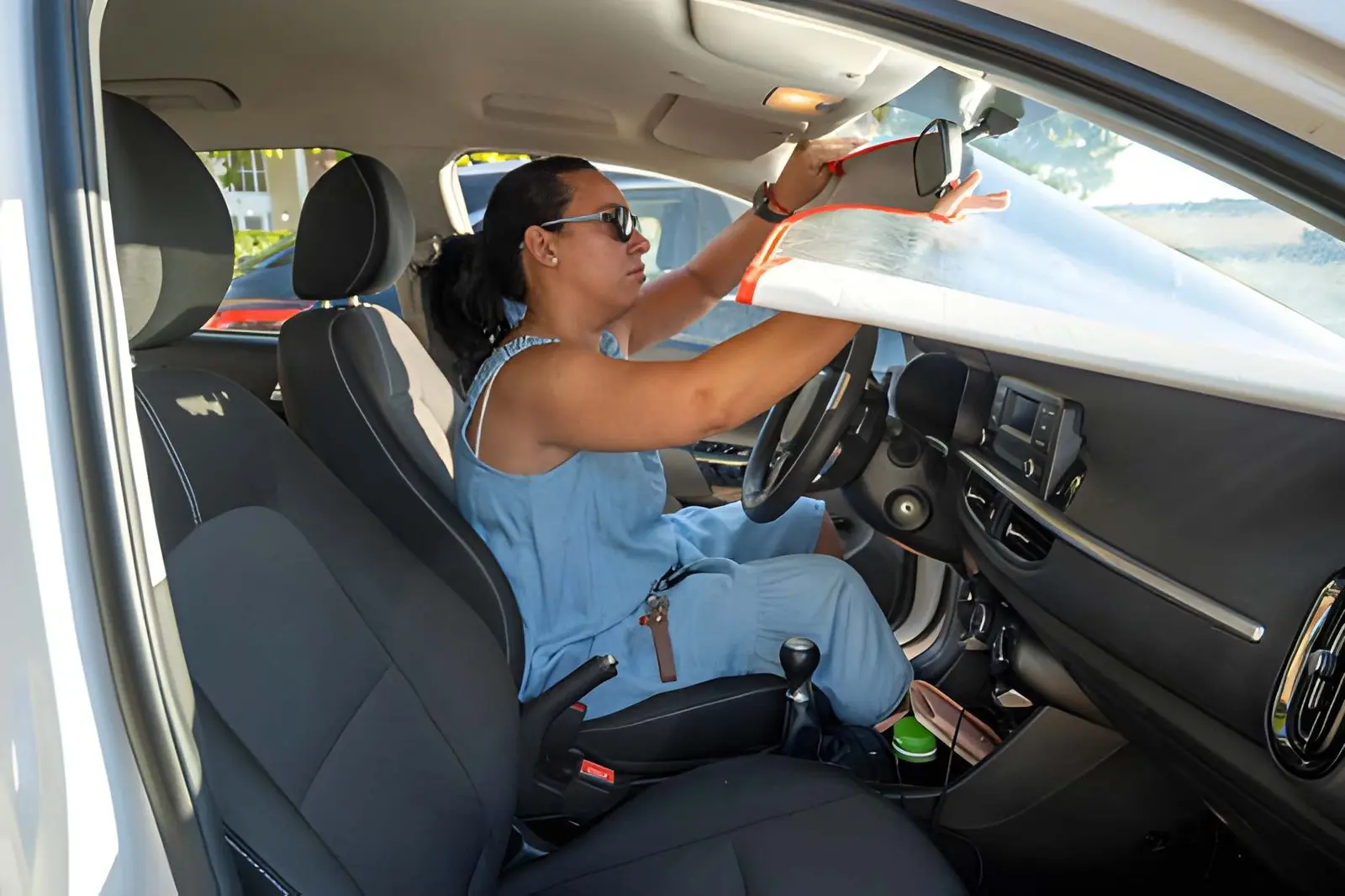
Summer weather often inspires road trips and scenic drives, but the intense seasonal sunshine can quickly become your vehicle’s worst enemy. A parked car functions much like a greenhouse. The glass windows allow shortwave solar radiation to enter, which then heats up the solid surfaces inside. Those surfaces radiate longwave heat that cannot easily escape through the glass, creating a dangerous and damaging environment in a remarkably short amount of time. In fact, according to the National Highway Traffic Safety Administration, a car’s interior can exceed 115 degrees even when it is only 70 degrees outside.
This extreme heat buildup does more than just make your commute uncomfortable. It actively breaks down the materials inside your cabin, leading to expensive repairs and a significantly lower resale value. Fortunately, a few proactive steps can save you money and keep your car looking brand new.
The Hidden Financial Impact of Heat Damage
When it comes time to sell or trade in your vehicle, the condition of the interior plays a major role in its appraisal. Data from platforms like Kelley Blue Book indicates that only an estimated three percent of used vehicles actually qualify for the highest “Excellent” condition tier. Allowing sun damage to degrade a car interior with faded upholstery, brittle trim, or cracked plastics can decrease the overall resale value by up to ten percent.
Repairing these sun-damaged components out of pocket is notoriously expensive. Replacing a warped or cracked dashboard panel typically ranges from $400 to $1,200 at most repair shops. For modern vehicles with complex integrated structures, severe failures can easily push that replacement cost past the $2,500 mark. Even minor cosmetic fixes for small cracks generally run between $150 and $400. Preventing this damage from happening in the first place is far more cost-effective.
Shielding Your Dashboard and Sensitive Electronics
While the ambient air inside a sealed cabin gets dangerously hot, the physical surface of a dashboard takes the most brutal punishment. When parked in 95-degree outdoor heat without any windshield protection, a dark dashboard can rapidly surge to 160 degrees Fahrenheit or higher. This intense heat causes the plastics to expand and contract daily, compromising their structural integrity and leading to permanent warping near the windshield base.
This heat is especially lethal to your car’s infotainment system. Extreme dashboard temperatures often cause the specialized optical clear adhesive inside touchscreens to soften and delaminate, resulting in visible bubbling behind the glass. High cabin temperatures can also trigger a frustrating malfunction known as ghost touch, where the screen registers phantom pressure points and changes settings on its own. Routinely using a sun shade for car window is an incredibly simple way to block direct sunlight, keep these delicate electronics out of the danger zone, and extend their lifespan.
Preserving Cabin Materials and Upholstery
Beyond the dashboard, prolonged exposure to ultraviolet radiation causes severe photodegradation throughout the rest of your vehicle. The sun gradually strips the natural oils from leather seats, causing them to irreversibly dry out, shrink, and split over time. Polyurethane soft-touch coatings on armrests and door panels are also highly susceptible to thermal stress, frequently developing visible surface cracks after a few years in sunbelt climates.
Standard auto glass filters out most UVB rays, but UVA rays can still penetrate the windows to break down fabric dyes and discolor your seats. While removable shades are great for the windshield when parked, applying a high-quality automotive window film offers a more permanent, structural solution to reject UV rays across all your side and rear glass while driving.
Actionable Steps for Daily Heat Defense
Protecting your car interior from the relentless summer sun requires a consistent routine. By combining physical barriers with smart parking habits, you can dramatically slow down the aging process of your cabin.
Consider adding these practical habits to your daily routine:
- Seek out strategic parking: Whenever possible, park facing away from the sun so the rear of the car takes the brunt of the heat, or look for shaded spots next to tall buildings and trees.
- Condition your materials: Apply a high-quality UV-blocking conditioner to your leather and vinyl surfaces every few months to replenish lost oils and prevent cracking.
- Ventilate the cabin safely: If parked in a secure area, leaving the windows cracked by just a fraction of an inch allows trapped hot air to escape, significantly reducing the peak temperature inside.
- Use comprehensive coverage: Protect all angles of your vehicle by combining a windshield blocker with passenger window shades, especially if you routinely park in open lots without shade.
Taking a few extra seconds to block the sun before you walk away from your vehicle pays massive dividends. Not only will you enjoy a cooler, more comfortable drive on your way home, but you will also preserve your car’s value and aesthetics for years to come.
Also Read
- How Blockchain Technology Works in Simple Terms
- Things to Look for When Purchasing a Used Car
- Skin Types Explained: Personalized Skincare Strategy