Integrating Acoustic Design into Modern Home Interiors
Modern homes often use hard surfaces like wood floors and big glass windows. These materials can make rooms echo and feel noisy. Adding sound control can make your home quieter without changing your style. Good sound management helps family members relax, work, and talk.
Structural Foundations of Residential Sound Control
To control sound in your home, you need to understand how it bounces off hard surfaces. When sound isn’t managed, it echoes and makes open spaces feel noisy and distracting. Placing sound-absorbing materials in the right spots helps cut down on unwanted noise. Modern open layouts take extra planning to keep sound under control.
Today’s homes often have high ceilings and polished concrete floors. These surfaces can reflect up to 95% of sound energy into the room. Mixing hard surfaces with soft materials like rugs and curtains helps reduce echoes. Soft fabrics absorb sound before it can travel across the room.
Changing how a room is set up can make a big difference. Pointing speakers away from walkways keeps common areas quieter. Tall bookcases along shared walls also add bulk that blocks noise. These simple fixes improve sound quality without major renovations.
Targeted Acoustic Foam for High Echo Areas
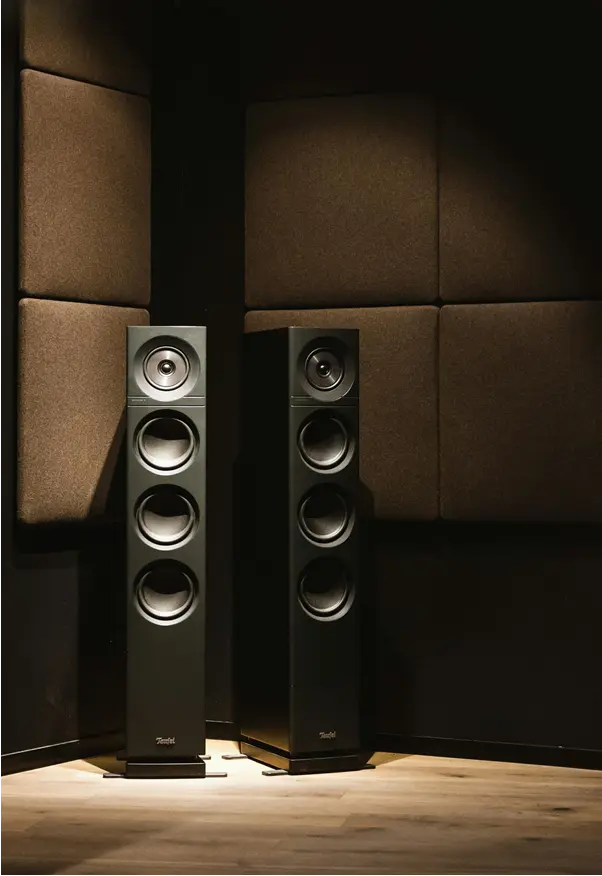
High ceilings and bare walls can cause sound to bounce around in home offices and media rooms. You can install sound panels on problem areas to absorb noise before it echoes across the room. These panels come in modern styles that fit right into today’s home designs.
Heavy noise reflection often ruins the audio experience in home theaters and study spaces. Resources like Phantom Foam highlight how acoustic foam can be used in areas where sound reflection is most noticeable, helping reduce unwanted echoes and improve clarity. Placing foam panels behind TVs or desktop speakers can prevent sound from repeatedly bouncing off nearby walls.
The foam acts like a shield that absorbs sound. Homeowners can mix different shapes to make custom wall patterns. Soft foam tiles are light, easy to use, and great for homes.
Architectural Layouts and Material Optimization
How a home is laid out affects how sound travels through it. In open floor plans, noise moves easily between the kitchen, dining, and living areas. An architectural guide says good sound planning involves room layout, materials, and features that improve sound quality and reduce noise in homes.
Moving furniture around can block sound waves. Placing large sofas or heavy tables between rooms helps break up echoes. Wall dividers with soundproof cores also stop noise from traveling across open spaces. Putting dense furniture in key spots creates natural sound barriers between areas.
Simple spatial changes can significantly improve internal home acoustics:
- Positioning upholstered seating
- Placing dense rugs near entryways
- Hanging heavy drapery
Decorative Wall Treatments for Noise Reduction
Bare drywall bounces sound around like a mirror. It reflects every whisper and footstep. Adding textured wall panels spreads sound across the room instead of throwing it right back. Today’s designs show that good acoustics don’t have to look industrial.
Wall panel options include slatted wood and fabric tiles. A design industry source says decorative panels are one of the easiest and most effective ways to control sound on bare walls. Placing them behind sofas or TVs can cut room echo by up to 50 percent.
3D wall tiles add both depth and sound control. They scatter sound in different directions to stop slap echo. Neutral-colored acoustic tiles blend right into minimalist decor. Sculpted panels turn plain walls into stylish sound absorbers.
Fabric Elements and Perforated Wood Screens
Mixing natural wood with soft fabrics makes a room feel warm and quiet. Soft fabrics soak up high-pitched sounds, while wood helps with lower tones. Using different materials also keeps the room from looking too plain.
Designers often blend soft and hard sound treatments for a balanced look. A design study says fabric panels, wood screens, and acoustic tiles help control sound without ruining the room’s style. These elements help homes stay both attractive and comfortable.
Flooring Options to Muffle Footsteps
Hardwood and tiled floors are popular modern design choices, but they reflect a lot of noise. Heavy foot traffic on bare floors generates impact noise that travels through entire floor plans. Adding soft flooring layers is a simple way to dampen impact noise instantly.
Large area rugs with thick felt underlayments capture impact sound before it travels into adjacent rooms. Natural wool or dense synthetic rugs absorb footstep noise effectively. Placing runner rugs in high-traffic hallways quietens daily movement across the home. Underlayments provide soft cushioning that reduces sound transmission through floorboards.
Soft floor coverings assist in dampening ambient noise within large rooms. Rugs cover hard floor surfaces, reducing the total reflective surface area in the living space. Combining floor rugs with rubber acoustic underlayments creates maximum sound insulation. Layering textiles across hard flooring creates quiet pathways throughout busy living areas.
Ceiling Solutions for Open Concept Spaces
High ceilings make rooms feel open and airy, but they also trap sound. Noise can linger, making it hard to hear during family get-togethers. Sound-dampening ceiling treatments help catch noise near the top of the room.
Floating ceiling baffles and acoustic cloud panels are stylish ways to control sound. Hanging them over dining tables or kitchen islands helps define quiet zones. Modern cloud panels are lightweight and fit with today’s home styles. They soften sound without lowering the ceiling.
Installing acoustic tiles or wood plank ceilings adds built-in noise control. Wood slat ceilings with felt backing look sleek and absorb noise. These upgrades turn noisy rooms into peaceful spaces. Good ceiling absorption is part of a balanced home acoustic plan.
A quiet home comes from balancing hard surfaces with soft materials. Place sound panels, textured walls, and thick rugs in key spots to reduce echoes. You can have a modern home that looks great and sounds calm.
Turning Open Spaces Into Calm Living Areas
A great home should look good and feel good. Smart sound design keeps noise in check without messing with your style. Rugs, fabric panels, and furniture placement can cut echo and make rooms calmer. You don’t have to choose between looks and comfort.
Want more home design and improvement ideas? Check out our blog for tips on creating comfortable spaces, everyday upgrades, and smarter choices for your home.
Also Read
- How Blockchain Technology Works in Simple Terms
- Choosing the Right Iron Boundary Design for Your Home