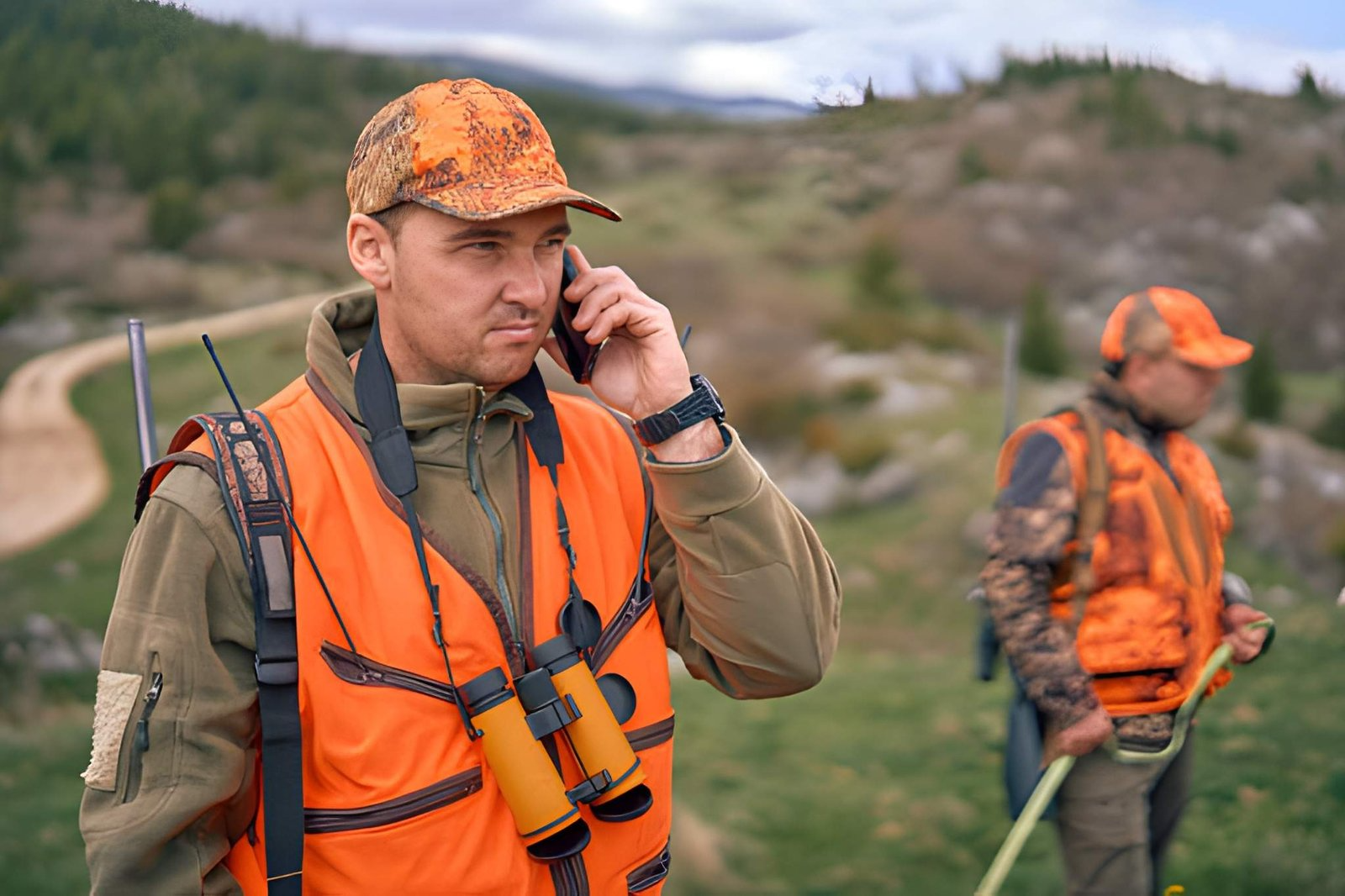
Nobody plans to get separated.
It usually happens one quiet step at a time.
One hunter follows fresh tracks through thicker timber. Another circles toward higher ground for a better vantage point. Someone pauses near a creek crossing, convinced they’ll catch up in a minute. Then the woods do what woods have always done, they swallow distance faster than anyone realizes.
Suddenly, shouting isn’t an option. Cell service is nonexistent. And everyone wishes communication had been part of the plan from the beginning.
Hunting demands patience, awareness, and preparation. Reliable communication belongs on that list, too.
The Outdoors Doesn’t Guarantee Cell Service
Modern smartphones are remarkable devices.
Until they’re not.
Many hunting areas are located far from reliable cellular coverage. Dense forests, rolling hills, mountain terrain, and remote public lands can all leave hunters without a dependable signal. Even areas with occasional reception may experience dropped calls or delayed text messages.
Walkie talkies, also known as two-way radios, remove that uncertainty. As long as users remain within the system’s operating capabilities, communication is immediate, no searching for signal bars or hoping a text eventually goes through.
When conditions are unpredictable, dependable communication becomes another piece of essential gear.
Knowing Everyone’s Location Reduces Risk
One of the biggest safety concerns during any hunting trip is simply knowing where everyone is.
Hunters naturally spread out to cover more ground, but increasing distance also increases the chance of losing track of one another.
Regular radio check-ins help everyone stay informed without interrupting the hunt. A quick update about your location, direction of travel, or planned stop can prevent confusion later in the day.
It sounds simple.
That’s because it is.
And simple habits often have the biggest impact on safety.
Unexpected Situations Happen Fast
Most hunting trips are uneventful in the best possible way.
Occasionally, however, plans change without warning.
A twisted ankle.
A fallen tree blocking the return route.
Rapidly changing weather.
Someone becoming disoriented after following game farther than expected.
None of these situations automatically become emergencies, but they become much easier to manage when communication is immediate. Instead of searching for one another across hundreds of acres, hunting partners can coordinate quickly, share updates, and decide on the safest course of action together.
Minutes matter when conditions change.
Coordinate Without Creating Noise
Good communication doesn’t mean constant conversation.
Quite the opposite.
Experienced hunters know radio traffic should be brief, purposeful, and limited to important updates. Quiet check-ins allow groups to stay connected while minimizing unnecessary distractions in the field.
A short transmission can communicate far more effectively than yelling through the woods, and with considerably less disturbance.
Sometimes less really is more.
Weather Can Change the Entire Day
Clear skies at sunrise don’t promise clear skies by lunch.
Fog rolls in.
Rain arrives unexpectedly.
Temperatures drop.
High winds make certain areas unsafe to cross.
When weather shifts, hunting plans often need to change just as quickly. Radios allow groups to communicate route changes, regrouping locations, or early departures without relying on unreliable mobile networks.
Flexibility is part of outdoor safety.
Communication makes that flexibility possible.
Choose Equipment That Matches the Environment
Not every hunting trip looks the same.
Some involve open farmland with long sightlines. Others take place in dense forests, rugged mountains, or expansive public lands where terrain constantly changes.
When comparing walkie talkies, focus on features that matter in the field: dependable battery life, clear audio, durable construction, weather resistance, and controls that are easy to operate while wearing gloves. Equipment that performs consistently in challenging environments is far more valuable than a long list of features you’ll rarely use.
Reliability isn’t exciting.
Until you need it.
Communication Supports Responsible Hunting
Safe hunting has always been built on preparation and awareness.
Knowing where hunting partners are located helps reduce the risk of accidental encounters, improves coordination when moving between locations, and makes it easier to respond if plans change unexpectedly.
Communication also helps preserve the experience itself. Hunters spend less time wondering where everyone went and more time focusing on the outdoors.
That’s a better day for everyone involved.
Final Thoughts
Successful hunting trips aren’t measured only by what’s harvested. They’re measured by preparation, teamwork, and everyone returning safely at the end of the day.
Reliable communication plays an important role in that equation. Whether you’re checking in with a hunting partner, sharing a change of plans, or responding to an unexpected situation, two-way radios provide a dependable connection when mobile networks can’t.
Because the best hunting stories are the ones where every member of the group comes home safely, with plenty of tales to tell around the campfire afterward.
Read more: SBOBET88 Slot Goceng: A Trusted Choice for Online Gaming
Best SEO Chrome extension for on-page audits: what to look for in 2026
How IPL Teams Build Loyal Fan Communities