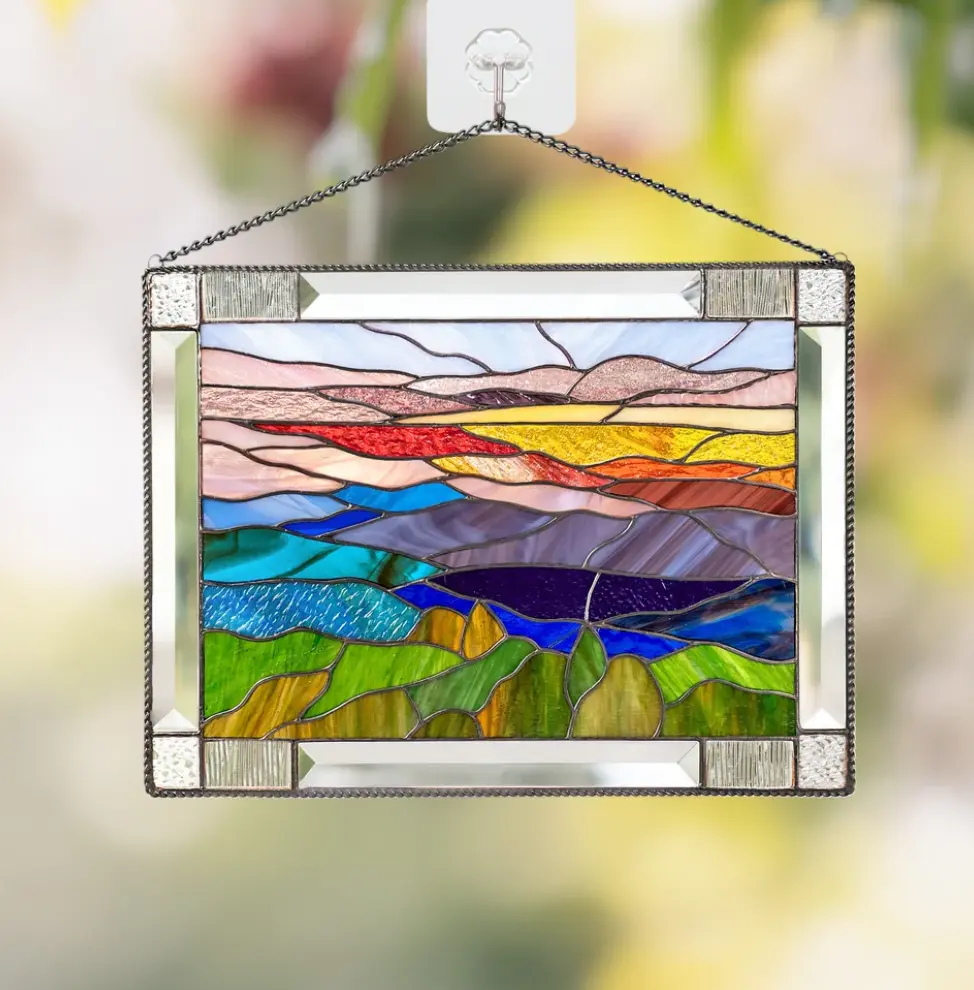
The way light moves through a home can influence how every room feels, from a bright kitchen in the morning to a quiet hallway at sunset. stained glass windows make that daily change more visible by filtering daylight through color, texture, and pattern. Rather than functioning as a static decoration, they create an atmosphere that shifts with the weather and time of day.
A panel with amber or warm red glass may appear subtle on a gray morning, then create richer reflections when afternoon sun reaches the room. Clear textured glass can soften a direct view while preserving brightness. This changing quality is one reason decorative glass remains compelling in both traditional and contemporary interiors.
Start With the Direction of Your Window
Before choosing a glass design, it helps to understand how the window faces. East-facing windows receive gentle morning light, making pale blue, clear, and soft green tones appear fresh and luminous. West-facing windows catch warmer afternoon light, which can intensify orange, amber, and deep red glass.
South-facing rooms often receive strong light for much of the day. A panel with textured or more opaque sections can help diffuse glare while adding visual interest. North-facing windows have cooler, softer daylight, so warm-colored accents may make the room feel more welcoming without overwhelming it.
The goal is not to block every view or cover an entire window. A well-sized panel can frame the light, create a focal point, and leave enough open glass for the room to feel connected with the outdoors.
Using Decorative Glass in Everyday Rooms
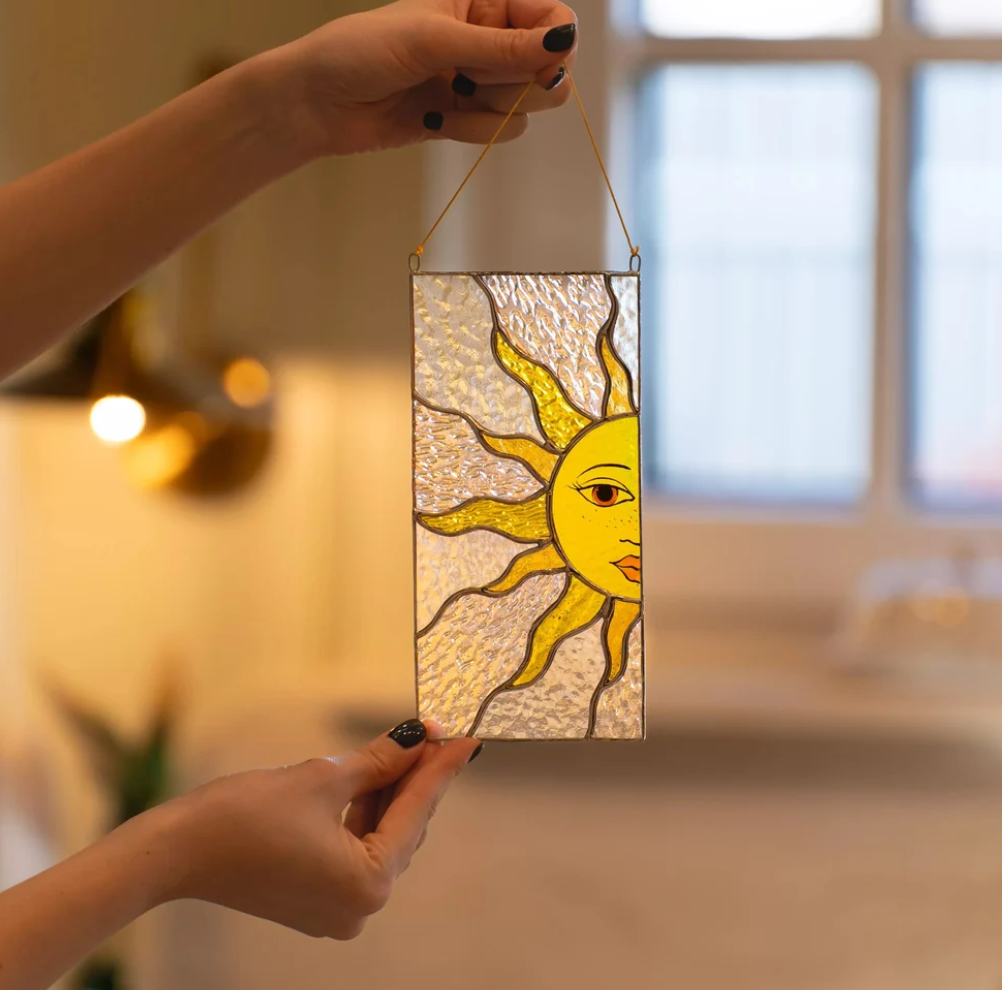
Stained glass can be especially useful in spaces that need more character but do not have much room for furniture or wall art. A small panel above a kitchen sink can bring color into a daily routine. In an entryway, it can make the first moments inside a home feel more personal. In a bathroom, textured glass may provide a sense of privacy while still allowing daylight to pass through.
Bedrooms and reading spaces benefit from softer designs with calm colors, while dining rooms can support bolder floral, geometric, or nature-inspired patterns. In shared living areas, a glass panel works best when it complements existing materials, such as wood, stone, brass, linen, or ceramic.
A Design Detail That Changes With the Seasons
Unlike seasonal decorations, glass art can remain relevant all year. Spring sunshine may highlight greens and pale yellows, while autumn light can make warmer shades feel especially rich. Snowy or overcast winter days can emphasize the texture and outline of the design.
This flexibility makes stained glass a thoughtful long-term choice. It does not require a complete renovation or a new color scheme to refresh a space. Instead, it works with the light already present in the home, turning an everyday window into a detail worth noticing.
Also Read-Common Mistakes to Avoid When Selling Your Home