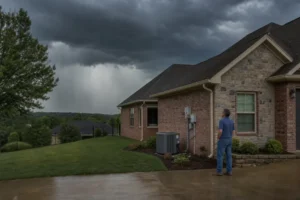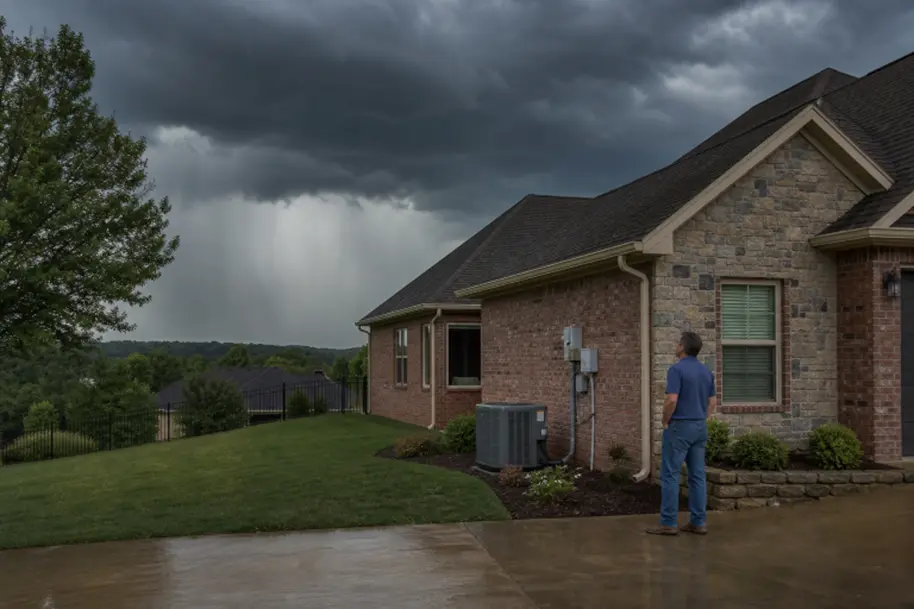
Springdale weather can change quickly, and severe thunderstorms may bring lightning, hard rain, hail, strong winds, and falling branches. A storm plan should include more than flashlights, drinking water, and charged phones. It should also include a quick look at the electrical conditions that could become dangerous when power is interrupted or water enters the home.
For a recurring electrical concern, homeowners may need an electrician Springdale, AR, residents can call for troubleshooting, repairs, lighting installations, panel upgrades, wiring work, and other residential or commercial electrical needs. NWA C&S Electric is a locally operated Northwest Arkansas provider serving Springdale and nearby communities, with experience addressing everything from damaged outlets and flickering lights to larger electrical upgrades.
Start With a Room-by-Room Electrical Check
Walk through the home before severe weather arrives and look for visible trouble. Check cords, plugs, power strips, switches, and outlets in bedrooms, kitchens, garages, laundry rooms, and living areas. Watch for cracked outlet covers, loose plugs, frayed insulation, discoloration, buzzing, heat, or a burning smell. Unplug and stop using damaged equipment. Do not remove outlet covers or open the electrical panel to investigate, since a small visible problem can point to a wiring issue behind the wall.
Watch for Breaker and Panel Warning Signs
A breaker that trips once may have responded to a temporary overload. A breaker that repeatedly trips should not be reset over and over. It may indicate an overloaded circuit, a damaged appliance, a loose connection, or another fault that needs diagnosis. Check the exterior of the panel for rust, moisture, scorch marks, unusual warmth, or persistent humming. Older homes may also have limited capacity for modern demands such as HVAC equipment, EV charging, workshop tools, hot tubs, or expanded kitchen appliances.
Protect Electronics From Power Surges
A power surge is a brief rise in voltage that can occur during lightning, utility switching, or restoration after an outage. Televisions, computers, routers, gaming systems, smart-home hubs, and newer appliances can be vulnerable. Plug-in surge protectors offer a layer of protection for individual devices, while whole-home surge protection is installed at the electrical system. Neither option guarantees protection from every lightning-related event, so unplug sensitive electronics when there is enough warning before a storm.
Prepare Outdoor Electrical Equipment
Inspect exterior outlets, landscape lighting, garage equipment, shed wiring, and extension cords. Outdoor connections should have weather-resistant covers, and cords should be rated for outdoor use when used outside. Move portable tools, decorative lights, chargers, and extension cords indoors before severe weather when possible. Wet grass, standing water, cracked insulation, and exposed connections increase shock risk. During flooding, wet electrical equipment should not be touched, especially if you are standing in water or cannot safely reach the main disconnect.
Make a Safe Storm-Day Plan
- Charge phones, battery packs, flashlights, and emergency lights before storms move in.
- Keep the route to the main electrical panel clear of storage, furniture, and clutter.
- Know which rooms, outlets, or low areas are most likely to experience water intrusion.
- Keep children and pets away from wet cords, damaged appliances, and exterior equipment.
- Use battery-powered lighting instead of candles during an outage whenever possible.
Stay Away From Fallen Power Lines
Never assume a downed line is harmless because it is quiet, motionless, or lying in a puddle. Stay far away, keep others out of the area, and call 911 or the utility from a safe location. Nearby fences, trees, vehicles, standing water, and even the ground can be energized. Springdale has experienced this type of danger before, when storms knocked down power lines in Springdale and caused widespread outages. Do not drive over a line or attempt to move it with any object.
Check for Hidden Damage After the Storm
Once conditions are safe, look for flickering lights, dead outlets, tripped breakers, damaged service equipment, water near electrical components, or a burning odor. Do not turn on appliances that were wet, and do not repeatedly reset a breaker when the cause is unknown. Water can damage outlets, wiring, panels, and appliances even after surfaces appear dry. If a tree damaged the service connection, lightning struck nearby, or water reached electrical equipment, arrange for a qualified inspection before returning the system to normal use.
When an Electrical Inspection Makes Sense
An inspection is especially worthwhile after major storm damage, flooding, lightning activity near the home, or a renovation that adds electrical demand. It is also sensible for older homes with two-prong outlets, crowded panel space, frequent breaker trips, or inconsistent lighting. A qualified professional can help determine whether the problem is related to the utility supply or the home’s wiring and equipment. Ask about licensing, permits when required, the scope of work, and a written estimate before repairs begin.
Common Questions From Springdale Homeowners
- Can I use an outlet after water reaches it? No. Leave it unused until it has been evaluated and is safe to use.
- Should I reset a breaker after an outage? One reset may be reasonable if there is no damage or odor, but repeated tripping requires professional attention.
- Will a surge protector stop lightning damage? It can reduce some risks, but it cannot guarantee complete protection during a direct or severe electrical event.
- How often should an older home be inspected? Timing depends on the home’s condition, renovation history, electrical demand, and warning signs.
Storm preparation is most effective before dark clouds arrive. A simple inspection can reveal easy-to-correct hazards, while professional help can address problems that are hidden from view. Stay away from damaged lines, avoid wet electrical equipment, and act quickly when an electrical warning sign does not go away.
Also Read-How to Stage Your Home for a Quick Sale