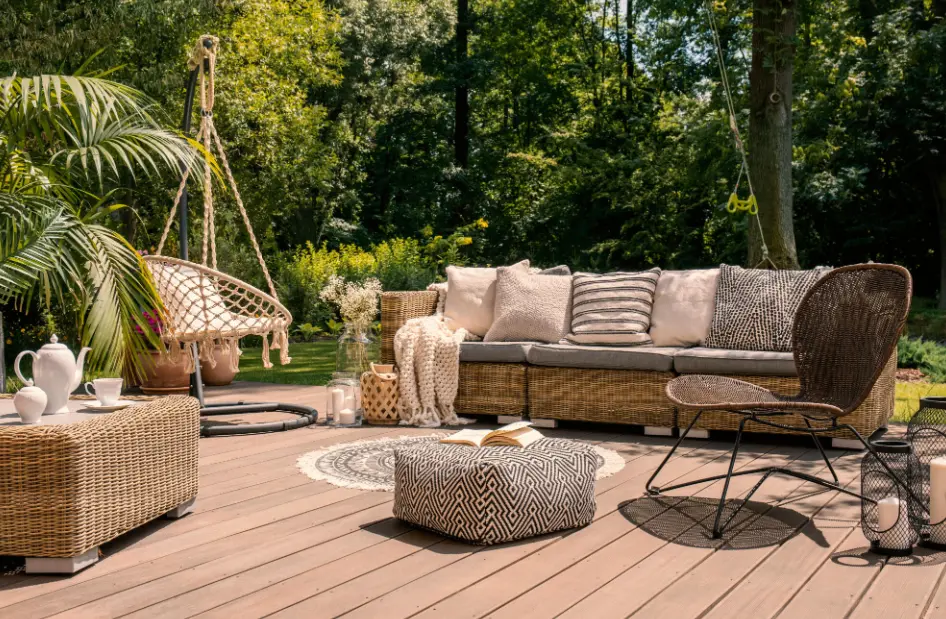
A well-designed deck can make a home feel larger, more useful, and more connected to the outdoors. It can create space for dining, relaxing, entertaining, or simply enjoying fresh air.
The best decks do more than add extra floor space. They should look like a natural part of the home and fit the way the household actually lives.
Careful planning can help you choose the right size, shape, materials, and features before construction begins.
Start With the Purpose of the Deck
Before thinking about colors or materials, decide how the deck will be used.
Some homeowners want a quiet place for morning coffee. Others need a larger area for outdoor meals, family gatherings, or a barbecue setup.
The purpose affects almost every design choice. A dining area needs enough room for a table and chairs, while a lounge space may need deeper seating.
Think about how many people will use the deck at once.
It also helps to consider how often the space will be used and during which parts of the year.
A clear purpose makes later choices easier.
Match the Deck to the Home’s Style
A deck should fit the look of the house rather than feel separate from it.
Look at the shape of the roof, exterior colors, window style, and materials already used on the home.
A modern house may suit clean lines and simple railings. A more traditional home may look better with warmer finishes or classic details.
The deck does not need to copy the house exactly.
Instead, aim for a design that feels connected through color, shape, or material.
Small details such as railing style, post shape, and trim can help tie the deck into the rest of the property.
Choose the Right Size and Layout
The deck should be large enough for its purpose but not so large that it overwhelms the yard.
Measure the available space and think about how people will move between the house, deck, and garden.
Leave enough room around furniture so people can walk comfortably.
Door placement also matters. A deck that connects directly to a kitchen or living room may be easier to use for meals and gatherings.
Think about stairs too. Their location should make sense for the yard and daily movement.
A simple layout often works best because it is easier to furnish and maintain.
Select Materials That Fit the Setting
Decking materials affect appearance, maintenance, cost, and long-term use.
Timber offers a natural look and can work well with many home styles. However, it may need regular sealing or staining.
Composite decking can require less maintenance and is available in many colors and finishes.
The right choice depends on climate, budget, and the look you want.
Homeowners planning a larger project may choose to work with a decking builder when comparing materials, structure, and layout options.
It is also important to choose materials that can handle local weather conditions.
Plan for Shade and Weather Protection
A deck is more useful when it is comfortable in different weather.
Think about how much sun the area receives during the day.
A pergola, roof cover, umbrella, or shade screen can help during hot weather.
Wind direction may also affect comfort. Screens or planting can provide some protection in exposed areas.
If the deck will be used during cooler months, consider features such as outdoor heating or sheltered seating.
Weather planning can make the space useful for more of the year.
It also helps protect furniture from strong sun and rain.
Add Features That Support Daily Use
The best deck features are the ones that make the space easier to use.
Built-in seating can save room and reduce the need for extra furniture.
Storage benches may help keep cushions, tools, or outdoor items organized.
Lighting is also important. Step lights, wall lights, and soft overhead lighting can make the deck safer and more inviting at night.
Power outlets may be useful for cooking equipment, speakers, or other devices.
If the deck is near a kitchen, a serving area or outdoor cooking space may also make sense.
Choose features based on real needs rather than adding extras that may rarely be used.
Think About Safety and Access
Safety should be part of the design from the beginning.
Railings, stairs, and handrails may be required depending on the height and layout of the deck.
Surfaces should also provide good grip, especially in areas exposed to rain.
Good lighting can reduce the chance of trips or falls after dark.
If children or older adults will use the deck often, think about easy access and clear walking paths.
Wide steps, strong handrails, and simple layouts can make the space safer.
Local building rules may also affect height, railing design, and structural requirements.
Plan for Long-Term Maintenance
Every deck needs some level of care.
Timber may need cleaning, sealing, or staining over time. Composite materials may need less work but still benefit from regular cleaning.
Check how easy it will be to reach areas under or around the deck.
Drainage is important too. Water should move away from the structure instead of collecting around posts or the house.
Choose materials and finishes that match how much maintenance you are willing to do.
A deck that looks good at first but requires more upkeep than expected can become difficult to manage.
Long-term planning helps protect the investment.
Track Outstanding Invoices and Bills
Unpaid invoices and upcoming bills can quickly affect cash flow if they are not monitored closely.
Keep a simple list of money the business expects to receive and payments that need to be made. Update the list whenever an invoice is sent, paid, or becomes overdue.
Following up on late customer payments can help prevent small delays from turning into larger cash flow problems.
The same attention should be given to supplier bills, loan payments, and recurring expenses. Missing due dates may lead to fees or strained business relationships.
Regular reviews make it easier to see which payments need attention first.
Conclusion: Create a Deck That Feels Like Part of the Home
Designing a deck is easier when each choice supports the home and the way you plan to use the space.
Start with purpose, then think about style, size, materials, shade, safety, and maintenance.
The strongest designs feel connected to both the house and the yard.
A thoughtful deck can improve daily life by creating a comfortable place to relax, eat, and spend time outdoors.
With careful planning from the start, the finished space can feel natural, practical, and easy to enjoy for years.
Also Read
- https://englishsharpmind.com/what-an-ip-resolver-does-in-simple-terms/
https://englishsharpmind.com/how-modern-window-treatments-enhance-comfort-and-property-value/
https://englishsharpmind.com/how-long-does-a-snow-squall-usually-last/