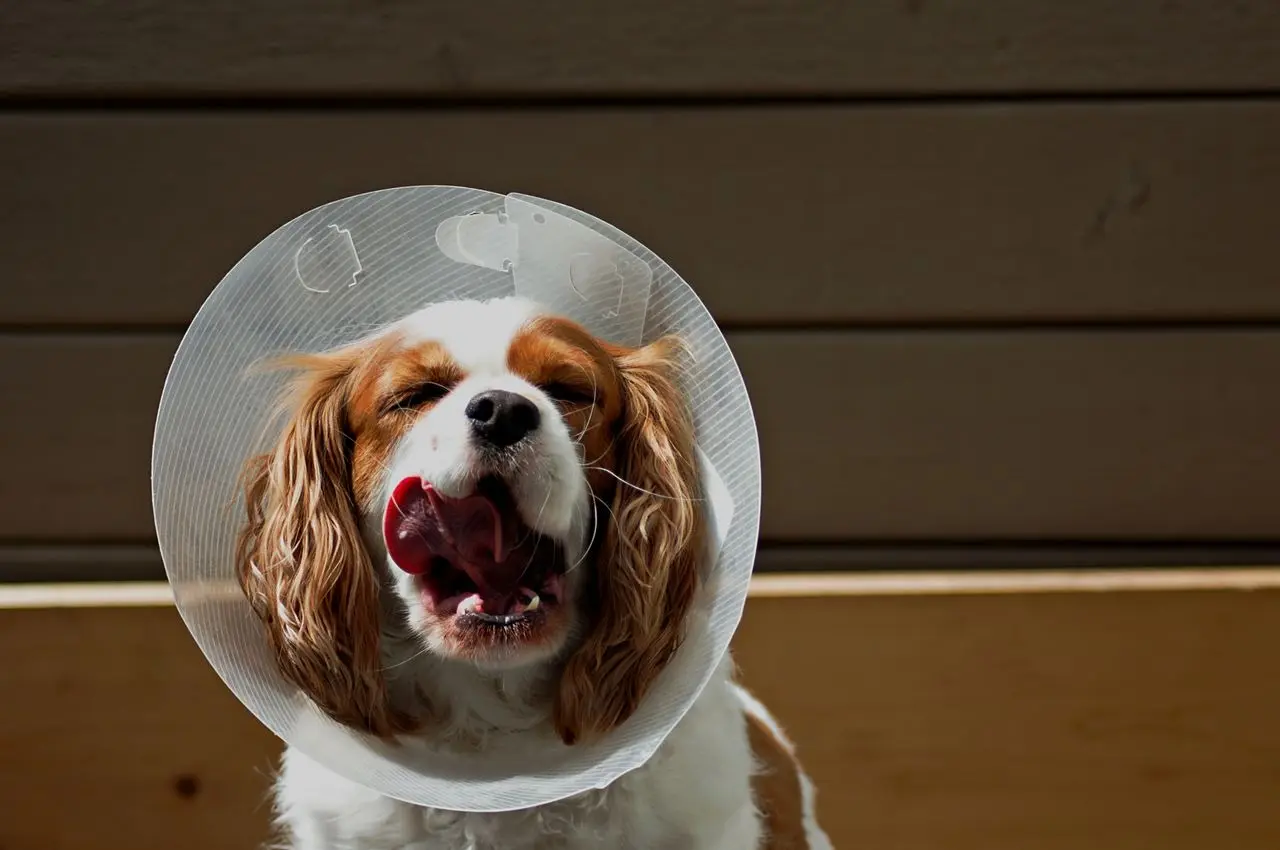
Pet care in 2026 is becoming more focused on prevention, daily wellness, and early signs of change. Owners are paying closer attention to nutrition, exercise, mental health, technology, and the special needs of older pets.
New tools can make pet care easier, but basic habits still matter most. Balanced food, regular veterinary visits, safe activity, and close attention to behavior remain important parts of keeping pets healthy.
Preventive Care Is Becoming a Bigger Focus
More pet owners are thinking about health before a problem becomes serious.
Regular veterinary visits can help track changes in weight, teeth, skin, movement, and behavior. Vaccines, parasite prevention, dental care, and routine testing may also be recommended based on the pet’s age and health.
Owners can support preventive care at home by learning what is normal for their pets. Changes in eating, drinking, energy, sleep, or bathroom habits may be worth discussing with a veterinarian.
Keeping simple health records can also help. Notes about weight, medicines, past illnesses, and changes in behavior give veterinarians useful information during appointments.
Pet Nutrition Is Becoming More Personal
There is no single diet that works for every pet.
Age, size, activity level, breed, and health problems can all affect nutrition needs. For this reason, more owners are looking for feeding plans that match the individual animal.
Senior pets may need different calories or textures than young animals. Pets with allergies or digestive problems may also need special foods.
Treats are becoming part of this wider nutrition discussion too. Owners are paying more attention to ingredients and portion sizes instead of choosing treats based only on flavor.
A veterinarian can help when major diet changes are needed. This is especially important for pets with long-term health conditions.
Weight Management Is Getting More Attention
Healthy weight is another major part of modern pet care.
Too much weight can place extra stress on joints and may make movement harder. This can become an even bigger concern as pets grow older.
Owners can monitor body condition, food portions, and activity levels at home. New technology is also being developed to help people track pet weight and body condition, though these tools should support rather than replace veterinary advice.
Daily habits often make the biggest difference.
Measured meals, reasonable treat portions, and regular activity can help support a healthy weight. Sudden weight gain or loss should be discussed with a veterinarian.
Wearable Pet Technology Is Expanding
Wearable technology is becoming more common in pet wellness.
Some collars and devices can track activity, sleep, location, or other health information. This gives owners another way to notice changes in normal routines.
For example, a dog that suddenly moves much less than usual may be uncomfortable or unwell. Changes in sleep or activity may provide useful information to share with a veterinarian.
Pet health apps are also becoming more advanced. AAHA notes that wearable technology and smartphone tools may help with real-time monitoring, especially for older pets.
These tools can be helpful, but they should not be used to make a diagnosis without professional care.
Natural Wellness Products Remain Popular
Many pet owners are interested in natural wellness products and supplements.
These may include ingredients aimed at supporting joints, digestion, skin, coat health, or calm behavior. However, a product being called “natural” does not automatically mean it is safe for every animal.
Some supplements may interact with medicines or cause unwanted effects. Quality can also vary between products.
CBD remains part of this trend. Products such as Baileys CBD dog treats may be considered by some owners as part of a wider pet wellness routine.
Research into CBD for dogs is still developing, and the FDA has not approved cannabis products for use in animals. Owners should speak with a veterinarian before giving a pet CBD, especially if the animal takes medicine or has an existing health problem.
Mental Enrichment Is Part of Pet Health
Pet health is not only about the body.
Dogs and cats also need chances to play, explore, learn, and interact. Mental activity may help reduce boredom and support a happier daily routine.
Puzzle feeders, scent games, training sessions, and new walking routes can make ordinary days more interesting.
Cats may enjoy climbing areas, window views, hiding spaces, and toys that encourage chasing. Dogs may enjoy short training games, outdoor walks, or searching for hidden treats.
Outdoor activity can provide both exercise and mental stimulation. Recent veterinary wellness discussions have also placed more attention on safe outdoor play shared between pets and owners.
Senior Pet Care Is Becoming More Detailed
Pets are often treated as close family members, and owners are paying more attention to comfort as animals age.
Senior pets may experience changes in movement, hearing, vision, sleep, or behavior. They may also need different food, exercise, and home setups.
Low-impact movement can help older pets stay active without placing too much stress on the body. Softer beds, ramps, easy-to-reach food bowls, and non-slip flooring may also improve comfort.
Mental activity remains important for older animals too. AAHA highlights gentle exercise and enrichment as useful parts of senior pet wellness.
Regular veterinary visits become even more important with age because early health changes may be easier to manage.
Telehealth Is Adding More Care Options
Virtual veterinary support is another growing part of modern pet care.
Video or phone visits may be useful for follow-up questions, behavior discussions, or checking certain ongoing concerns. They can also save travel time for owners.
However, virtual care has limits.
A veterinarian cannot always examine a pet fully through a screen. Blood tests, imaging, physical exams, and other procedures still require an in-person visit.
AAHA notes that telehealth can support veterinary care but should not replace in-person treatment when a physical exam or testing is needed.
The best use of telehealth is often as one more tool in a larger care plan.
Conclusion: Build a Balanced Pet Wellness Routine
Pet health trends in 2026 show a stronger focus on prevention, personal care, technology, and whole-pet wellness.
Nutrition, healthy weight, mental activity, senior care, and regular veterinary visits remain important. Wearables, telehealth, and wellness products may add useful options when they are used carefully.
New trends can be helpful, but every pet is different. Owners should choose products and routines based on their pet’s age, health, and individual needs.
A simple plan built around good food, movement, attention, and veterinary support can help pets stay comfortable, active, and happy.
Also Read
- /how-mules-fit-into-everyday-sports-style/
- mexicos-painful-elimination-by-england-at-the-2026-world-cup/
- how-businesses-can-simplify-shipping-to-czech-republic/